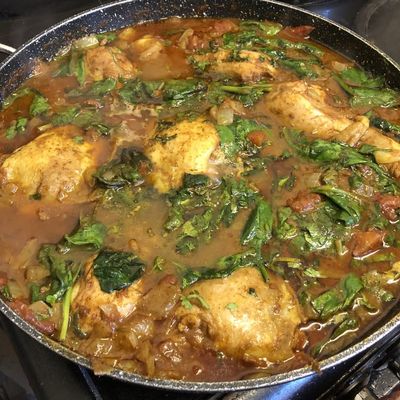
Agra Ginger Chicken
A light, cleansing chicken curry from Agra with fresh ginger, warm spices and bright tomato notes. This vibrant dish is designed to be accessible and fresh, with spinach and lime lifting the finished curry.
Indian
Tap a chip to add another filter, or use Clear all below.
A light, cleansing chicken curry from Agra with fresh ginger, warm spices and bright tomato notes. This vibrant dish is designed to be accessible and fresh, with spinach and lime lifting the finished curry.

Silky scrambled eggs infused with warm spices and fresh aromatics. The turmeric adds a earthy golden color while ginger and chilli provide warmth and complexity. Served with fresh coriander, this makes an excellent quick snack, elegant starter, or gourmet canapé topping.
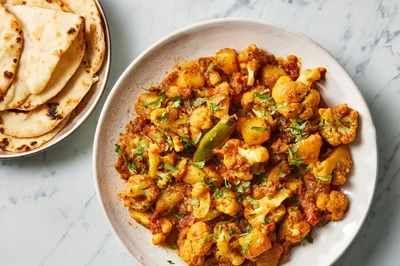
Cumin seeds bloom in hot oil; chopped onion is fried until gold; ginger-garlic paste, turmeric, chilli and coriander toast briefly; tomato softens into a quick sauce. The potatoes go in first (they need longest), the cauliflower follows; both cook covered until tender, stirred occasionally. Garam masala and chopped coriander at the end.
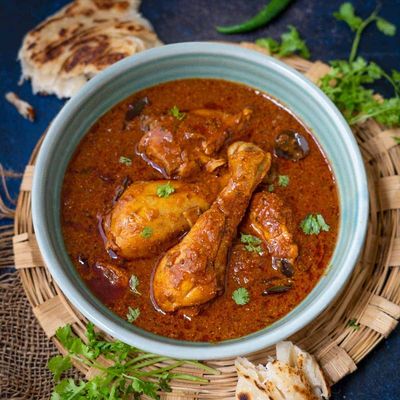
Chicken thighs are marinated briefly with turmeric, ginger-garlic paste, yogurt and a pinch of red chilli. A dry-roast of poppy seeds, sesame seeds, coconut, fennel, coriander and dried red chillies is ground with a splash of water into a coarse paste. The base is built with shallots, curry leaves and tomato; the chicken is browned in stages; and the masala paste is folded in for the long, gentle simmer. Tamarind and a curry-leaf temper finish.
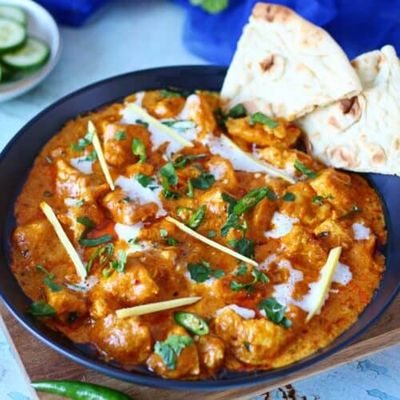
A rich, ghee-laden chicken handi cooked in the traditional style, featuring tender chicken thighs simmered in a spiced tomato-onion base with yoghurt and cream. Named for the handi pot, this dish varies by chef but delivers deep, authentic flavors.
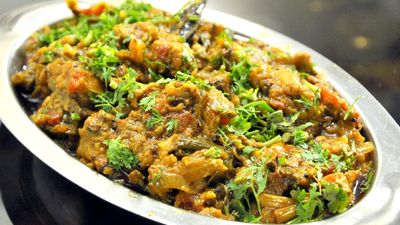
A whole aubergine is charred directly over a gas flame until the skin is blackened and the flesh inside is soft. The charred skin is peeled off and the flesh roughly mashed. A masala of onion, garlic, ginger, green chilli and tomato is cooked down to a thick base, and the smoky aubergine flesh is folded through with a finishing touch of garam masala and coriander. Vegetable-side or vegetarian main; the smoke is what makes it.
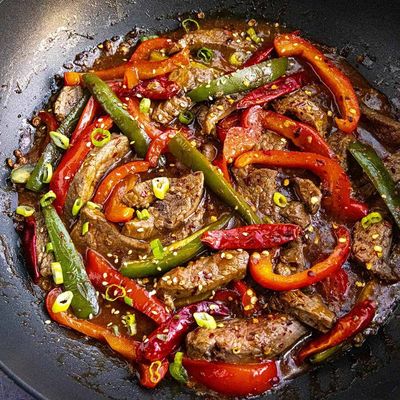
A Burmese curry from the country's Indian-origin community, sitting somewhere between a Madras and a Burmese ohn-no in spice profile. You marinate chunks of beef chuck or shin in turmeric, fish sauce and salt while you fry onions in oil until they're deep brown - that long onion fry is the foundation. The beef browns in the same oil, then ginger-garlic paste, paprika and chilli powder go in, then tomato and water turn it into a stew. Two hours of slow simmer until the meat falls apart at a fork. The signature finish is the see byan, a deep red-orange oil slick that rises to the top of the curry as it reduces, which is what the dish is named for. Eaten with rice or paratha, and a small bowl of pickled vegetable on the side.
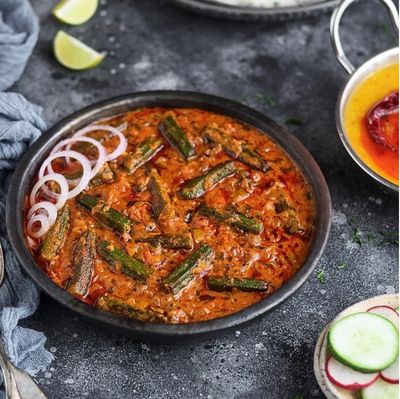
The okra is washed, dried thoroughly and trimmed, then cut into 2 cm pieces. A dry-fry over high heat for 10 minutes cooks away the surface moisture that causes slime. Onion is then browned with whole cumin in a separate go, ginger and garlic added, tomato cooked down with the ground spices, and the dry-fried okra folded in for a final dry simmer. Finished with garam masala, amchur and coriander.
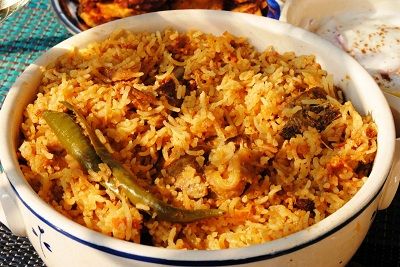
Biryani represents the height of Indian culinary technique: multiple components prepared separately with precision, then assembled in layers where flavors permeate through steam cooking. This isn't a one-step rice dish; rather, it's an architectural construction where yogurt-marinated lamb develops tenderization and flavor, then cooks slowly with warm spices and tomato, while basmati rice is independently flavored with saffron infusion and whole spices. Upon assembly, the two elements marry through steam, creating a unified dish where lamb and rice are inseparable in flavor. Traditionally cooked during festivals and royal celebrations, biryani requires patience and multiple steps but rewards with sophistication.
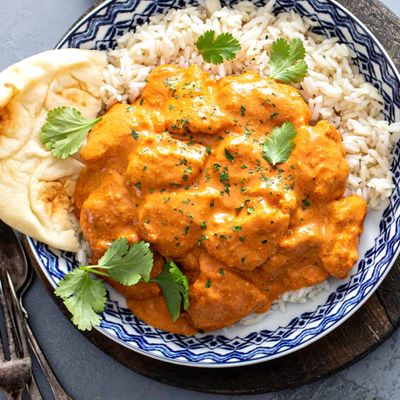
The BIR icon: tandoori-grilled chicken finished in a velvety tomato-onion sauce enriched with double cream, butter and a hit of garam masala at the end. Mildly spiced, lightly sweet, deeply savoury. The sauce is built on a paste of cooked onion, tomato and cashews / almonds, finished off-heat with cold butter for the signature gloss.
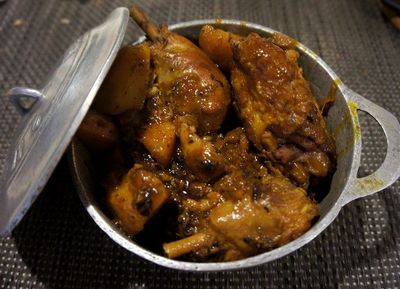
Mauritian cuisine is a layered conversation between Indian, African, Chinese and French traditions, and cari poulet is one of its clearest expressions. The Creole community took the Indian template of a wet curry and rebuilt it with local fresh herbs, particularly thyme and curry leaves grown in the yard, plus tomato, and a masala that is gentler and more aromatic than its mainland Indian cousins. Chicken on the bone is browned for fond, then potatoes are added and the whole pot is simmered in a curry-leaf and tomato gravy until the meat is falling off the bone and the potatoes are creamy on the outside but holding shape. The colour leans red-brown from paprika and turmeric rather than the bright yellow of a Punjabi-style curry. Heat is moderate, intended to complement rice and a chilli-based satini, not overwhelm them. For a home cook the difficulty is low to moderate; the only real demand is patience while the masala blooms in the oil at the start, which is what gives the dish its depth. Serve over plain steamed rice with a coriander satini and a spoon of green chilli pickle, the classic Mauritian Sunday plate.
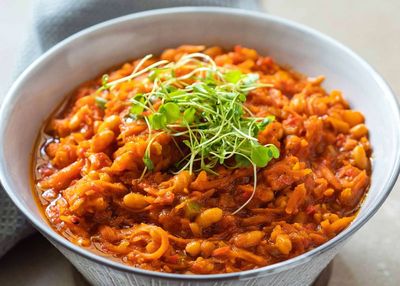
Onion is softened in oil; garlic, ginger and curry powder bloom. Carrots cook briefly to tender-crisp. Peppers (red and green) and chillies join. Tomatoes simmer everything down. Tinned baked beans go in last with a splash of vinegar to balance. Eaten warm or at room temperature; tastes better the next day.
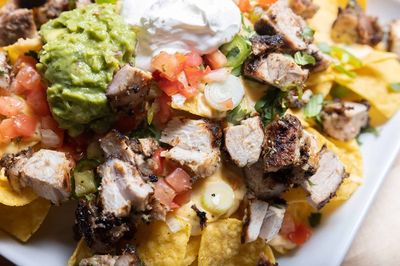
A Caribbean-American fusion that works because both food cultures speak the language of "everything on one tray". The base is American nachos: tortilla chips, melted cheese, black beans. On top sits jerk-marinated chicken thigh, which carries the dish's flavour, allspice, Scotch bonnet, nutmeg, cinnamon, thyme, soy and brown sugar blended into a wet jerk paste, marinated into the meat overnight, then oven-baked and sliced. The fresh element on top is a Trinidadian-style fruit chow: diced mango, pineapple, red bell pepper and red onion dressed with lime juice and cilantro. The chow is what makes this work; without it the nachos are just spicy meat-and-cheese, with it the dish has acid, crunch and sweetness to cut through the richness. Smell is melted cheese hitting jerk seasoning, with a citrus-tropical lift from the chow on top. Not difficult but it's three components running on different timelines, so plan ahead. A modern party-and-Super-Bowl-tray dish rather than something a Kingston grandmother makes, popularised by Caribbean-American food bloggers in the 2010s.
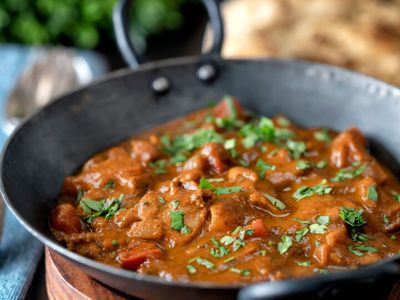
Birmingham's defining curry, cooked hard and fast in a thin two-handled steel balti pan over a roaring flame. The high heat caramelises the masala onto the meat and burns off the oil, leaving a slightly smoky, tomato-forward sauce. Eaten straight from the pan with naan; the sauce is medium-thick, not soupy.
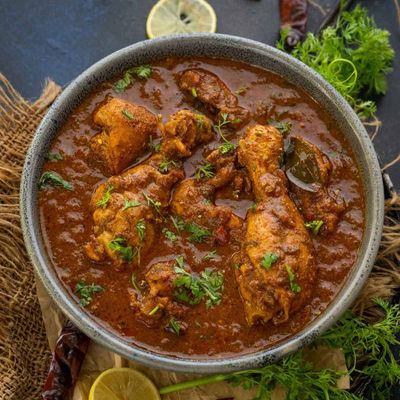
Whole spices dry-toast in a pan until aromatic; grind with grated coconut, dried red chillies and a splash of water into a thick paste (the Chettinad masala). Chicken thighs marinate briefly in turmeric, salt and yogurt. Shallots fry to soft gold; the masala paste cooks until the oil splits out; chicken cooks in the masala with curry leaves and water. Finishes thick, dark and intensely peppery.
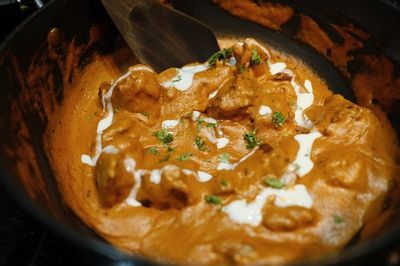
A curry-house style chicken curry that builds flavor from whole spices and fresh aromatics rather than premade base sauces. The method takes a little more time, but rewards you with a rich, home-style curry sauce and tender chicken. Add extra chilli or more garam masala to increase heat for your preference.
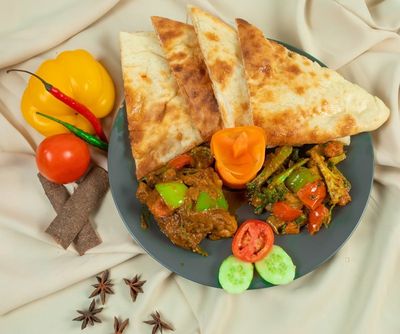
A curry-house jalfrezi inspired by a Balti House classic, featuring quick stir-fried peppers, chillies, onions and tender chicken in a light spiced sauce. It is traditionally dry and crisp, but can be adjusted for more sauce by adding extra base curry or stock.
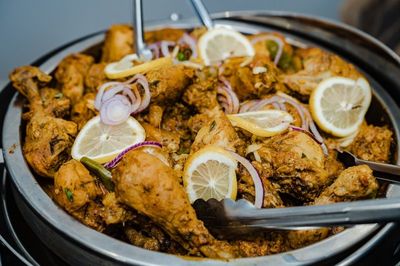
A classic karahi curry inspired by Imran’s in Birmingham, featuring tender chicken pieces simmered in a rich, spiced tomato-onion sauce. Traditionally served sizzling in a karahi pan, this dish is perfect for soaking up with naan.
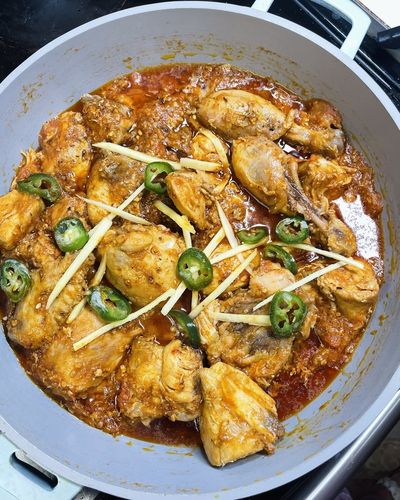
A whole chicken is jointed into 8 bone-in pieces (or 8 thighs). Oil heats in a wide karahi or wok; chicken sears on all sides for colour. Crushed ginger and garlic go in for 1 minute. Halved tomatoes (yes, half-tomatoes, not chopped) tumble in; the lid clamps on; the chicken steam-cooks for 20 minutes in the tomato juices. The lid lifts; the tomato skins come off; the sauce reduces to a thick deep-orange masala. Whole green chillies, freshly crushed black pepper, ground cumin and a dollop of yogurt stir in. Coriander and slivered ginger finish.
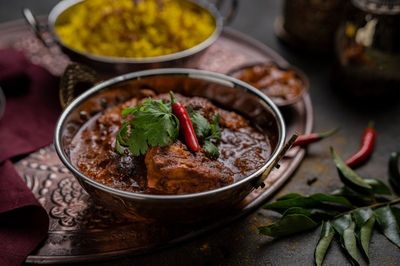
Fenugreek-forward chicken methi curry with a rich base sauce and a tangy cream finish. Fresh fenugreek leaves are ideal, but dried kasoori methi can provide the signature aroma, especially in supermarkets where fresh leaves are scarce. This curry is aromatic with anise notes and a subtle bitterness balanced by yoghurt.