In season

May produce

Tap any item to find recipes that use it.

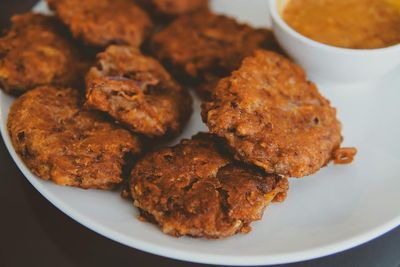
Akara

Akara

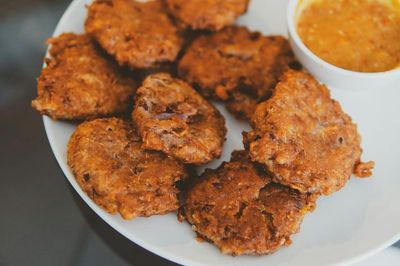
Dried black-eyed beans soak briefly to loosen the skins; the skins rub off (this is the key step, skin-on akara is bitter and grey). The peeled beans go into a blender with onion, Scotch bonnet and just enough water to make a thick batter (not a paste). The batter is whipped by hand or with a wooden spoon for 5 minutes until light and aerated, this is what makes akara fluffy rather than dense. Spoonfuls drop into 175°C oil and fry for 3-4 minutes per side until golden. Drained on paper. Eaten hot.

Snacks 1 hour 10 minutes Serves4
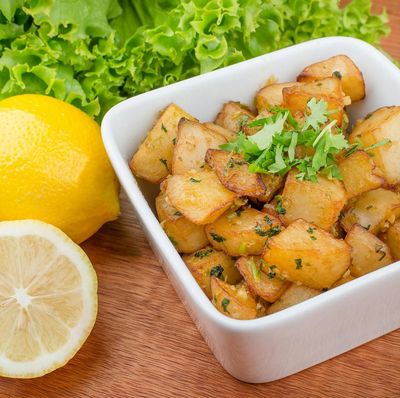
Aloo Posto

Aloo Posto

Aloo posto is the dish that Bengalis abroad miss most. Posto, white poppy seed, is so essential to the cuisine of West Bengal that there are entire menus built around it: aloo posto, posto bora (poppyseed fritters), jhinge posto, even ilish posto with hilsa fish. The seeds are soaked, ground to a fine, creamy paste, and cooked just enough to lose their raw note while keeping their pale colour and nutty perfume. This is one of the simplest preparations in the repertoire, and yet a much-debated one: how fine should the paste be (very fine), should onion be added (in West Bengal generally not, in Bangladeshi versions sometimes yes), how much green chilli is right (one or two slit, not pounded), and crucially, what oil (always mustard, always heated to smoke point first). The tempering is austere: just kalo jeere (nigella seeds) and a slit chilli. There is no garam masala, no cumin, no turmeric. The dish is meant to be quiet, almost pale, eaten with a small mound of plain rice and a dollop of ghee on a hot Kolkata afternoon. It is technically a side dish but in a traditional Bengali thali order it is often served as a course on its own, between the leafy greens and the dal, before the fish curry arrives. For a home cook the only real challenge is grinding the posto fine enough; a small spice grinder or wet-dry blender does the job perfectly.
Sides 1 hour 5 minutes Serves4
Asun (Spicy Smoky Goat Meat)

Asun (Spicy Smoky Goat Meat)

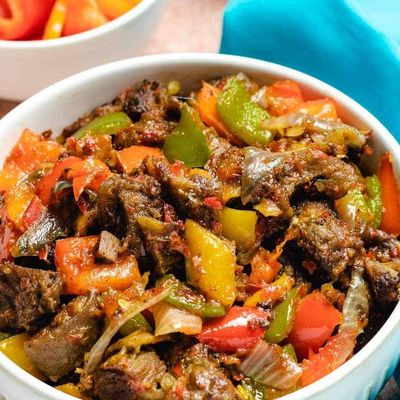
Goat meat (bone-in pieces, ideally) simmers in water with onion, garlic, bay, salt and bouillon till tender (45 min). Lifts out; pats dry; grills over high heat (or under a hot grill / on a griddle pan) till charred (8-10 min). Pepper base: scotch bonnet, red pepper, onion, garlic blitz to paste; sautés in oil with curry powder, thyme, ginger till fragrant. Charred meat tosses in the pepper paste; cooks for 5 minutes more; tops with fresh chopped onion. Eats hot.

Snacks 1 hour 35 minutes Serves4
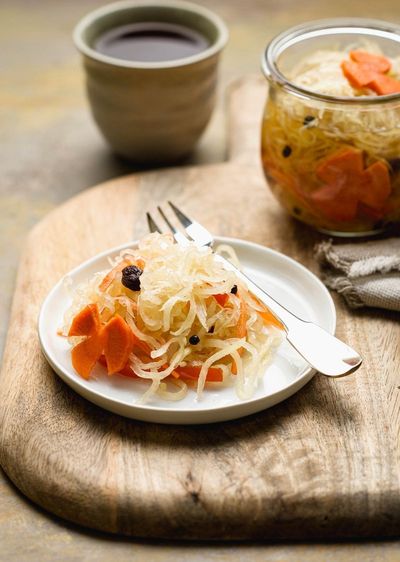
Atchara

Atchara

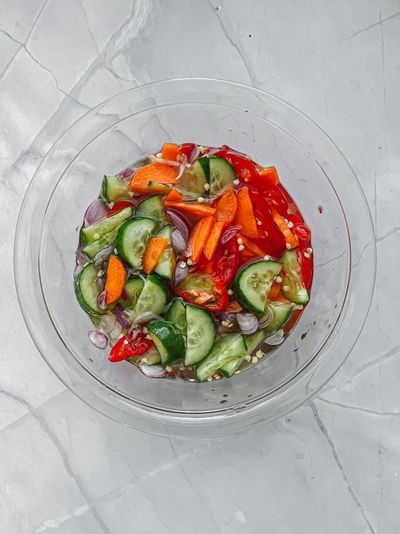
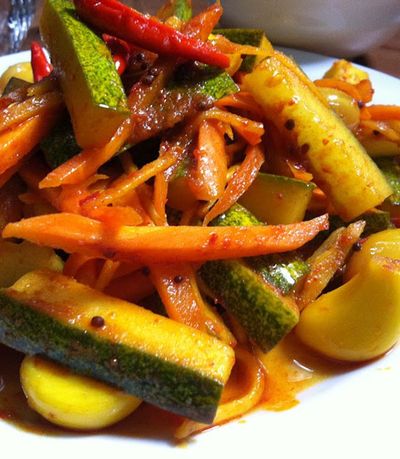
Green papaya is peeled, seeded and shredded on a coarse grater. Carrot, ginger, garlic, red pepper, onion and raisins are all prepared in matching shreds. The vegetables are salted and rested for 1 hour to draw water; rinsed and squeezed dry. A syrup of cane vinegar, sugar and whole peppercorns simmers for 5 minutes. Hot syrup is poured over the vegetables in a sterilised jar. The jar is sealed, cooled and refrigerated overnight before eating. Improves over the following week.

Sides 1 hour 40 minutes Serves1
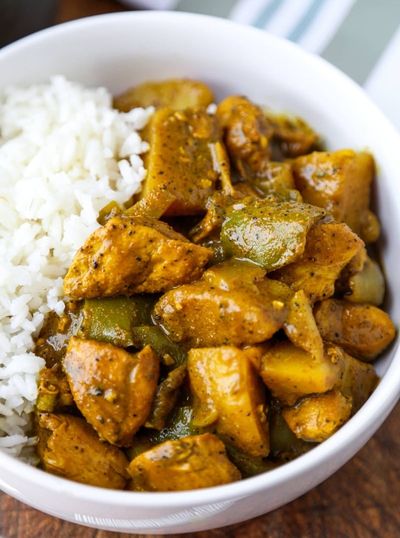
Authentic Jamaican Curry Chicken

Authentic Jamaican Curry Chicken

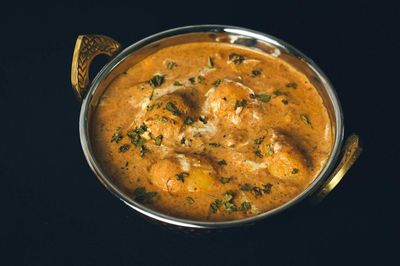
Jamaican curry sits in its own corner of the global curry map: heavier on turmeric and allspice than Indian Madras, lighter on cumin, and built on a technique called "burning the curry" that gives the dish its character. The technique is exactly what it sounds like, dry curry powder hits hot oil and is stirred for 30 seconds until it darkens from yellow to deep gold and smells like toasted spice. That move concentrates the flavours and removes any raw edge. The finished stew is bright yellow stained slightly orange, savoury and aromatic rather than searingly hot, with thyme and a whole pierced Scotch bonnet scenting the gravy without flooring it. Smell: bloomed curry powder, allspice, browned chicken fat. Not difficult, but requires confidence in the 30-second bloom (under-do it and the dish is flat; over-do it and you have to start over). A Sunday-dinner staple across Jamaica and the diaspora, served over white rice with the gravy spooned generously over.

Jamaican 2 hours 30 minutes Serves4
Bean Akyaw

Bean Akyaw

The Burmese yellow split-pea fritter, sold by street vendors in hot oil-spattered cones of newspaper across Yangon's evening markets. You soak yellow split peas overnight until they're softened but not mushy, then blitz to a coarse sandy paste with shallot, garlic, ginger, turmeric and coriander. No flour, no binder; the natural starch in the peas holds the fritters together as they fry. Tablespoonfuls drop into hot oil and fry until they're deep gold and craggy at the edges. Eaten hot from the cone with a sour-sweet tamarind dipping sauce, a wedge of lime, and whatever you can carry while you walk on through the evening crowds.

Snacks 6 hours 35 minutes Serves4
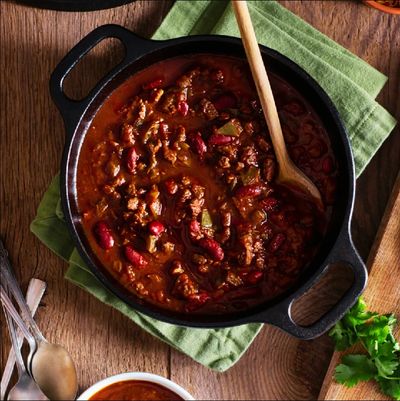
Beef Chili

Beef Chili

The American household chili, sitting somewhere between Texas-style "no beans" purism and Cincinnati-style "chili over spaghetti" eccentricity, this one has beans, isn't sweetened with cinnamon, and lands solidly in the middle of the bell curve. The flavour is a Tex-Mex spice rack working in concert: chili powder (the broad warmth), cumin (the earthy backbone), smoked paprika (the deep smoke), chipotle powder (the slow-burn heat), brown sugar (a quiet balance), garlic powder (the savoury underline). Fire-roasted tomatoes are the technical detail that lifts this above a generic chili, charring the tomatoes before canning adds a roasted note that ordinary diced tomatoes can't supply. Texture is chunky and brothy rather than thick-and-pasty (this isn't a chili-mac chili), with kidney beans giving substance and pieces of bell pepper still holding their bite. Smell is cumin and smoked paprika on browned beef. Genuinely easy and incredibly forgiving, chili is one of the few dishes that's better the day after it's made, so it tolerates a longer simmer if you have it. American cold-weather bowl food, eaten across every state from Texas to New York, with regional toppings (sour cream, cheese, raw onion, cornbread, oyster crackers) that say more about the cook than the dish.

American 45 minutes Serves8-10
Beef Si Byan

Beef Si Byan

A Burmese curry from the country's Indian-origin community, sitting somewhere between a Madras and a Burmese ohn-no in spice profile. You marinate chunks of beef chuck or shin in turmeric, fish sauce and salt while you fry onions in oil until they're deep brown - that long onion fry is the foundation. The beef browns in the same oil, then ginger-garlic paste, paprika and chilli powder go in, then tomato and water turn it into a stew. Two hours of slow simmer until the meat falls apart at a fork. The signature finish is the see byan, a deep red-orange oil slick that rises to the top of the curry as it reduces, which is what the dish is named for. Eaten with rice or paratha, and a small bowl of pickled vegetable on the side.

Burmese 3 hours 20 minutes Serves4
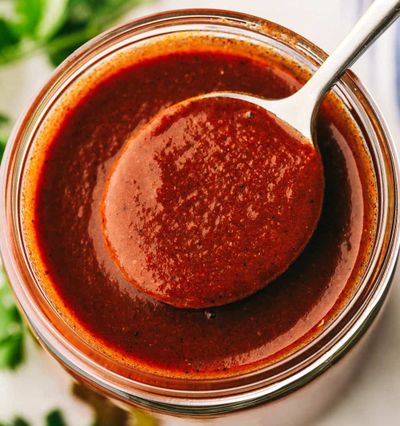
Berbere

Berbere

Berbere is the cornerstone of Ethiopian cuisine, a powerfully hot and complex spice blend that's both a condiment and a cooking base. Unlike other chilli-forward blends, Berbere combines dried chillies with cardamom, cloves, and ajowan to create heat with sophistication. The blend is intensely aromatic and demands respect; a little goes a long way. This is a blend for stews and braises that simmer for hours, allowing the spices to develop depth and integrate with other ingredients.

Spices 25 minutes Serves50-60
← Prev Page 1 of 15 Next →