Cataplana de Marisco

Cataplana de Marisco

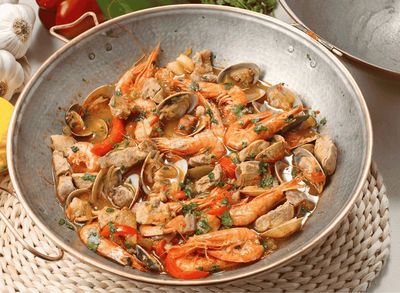
A cataplana is a hinged copper clamshell pan, and the seafood stew named after it is one of those dishes where the cookware does the work. You build a base of onions, peppers, sliced chouriço, smoked paprika, tomato and white wine in the bottom of the cataplana, then layer clams, mussels, prawns and chunks of firm white fish on top, clamp the lid shut, and steam it all for less than ten minutes. The lid lifts at the table to release a cloud of paprika-and-wine-scented steam, which is the entire point of the dish. If you do not have a cataplana, any wide pan with a tight lid does the same job. Coriander and lemon at the end, crusty bread for the broth, and vinho verde for everything else.

Portuguese 55 minutes Serves4
Curry Smelts

Curry Smelts

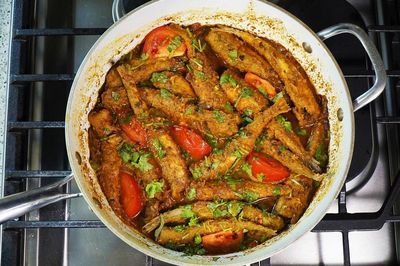
Trinidadian comfort food that brings together the East Indian and Afro-Caribbean strands of Trini cookery in one pan: small whole fried fish (a West African and Caribbean coastal habit) drowned in a Trinidadian East Indian curry sauce. The fish are smelts, sardines or whitebait, whole, head-on, eaten with a small bite to remove the spine. Once fried they sit crisp; when the curry sauce hits, the outer crust softens slightly and absorbs the gravy while the centre stays meaty. The sauce is the dish's signature: roasted geera (dry-toasted cumin) gives a smoky, nutty depth that pre-ground supermarket cumin can't touch, anchar masala adds a fermented-tangy edge (it's the Trinidadian pickled-mango spice mix), and Caribbean curry powder rounds the warmth. Whole pierced Scotch bonnet scents without flooring. Smell when the spices bloom in hot oil is heavy and pungent in the best possible way. Not difficult but it's a two-pan dance, so timing matters. A daily-cookery dish across Trinidad and Tobago and the Indo-Trinidadian diaspora, eaten with steamed rice or with sada roti torn and used as a scoop.

Trinidadian 50 minutes Serves5
Lahori Fried Fish

Lahori Fried Fish

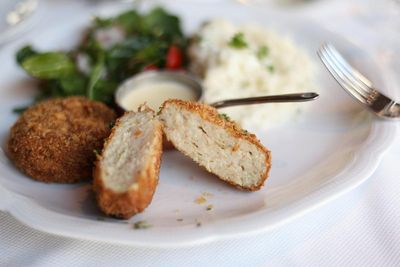
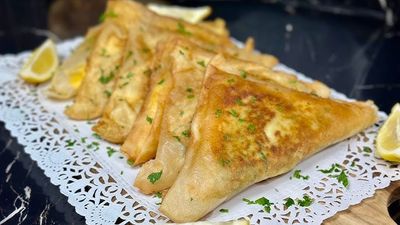
Firm white fish is scored, rubbed with a spice paste of ginger-garlic, Kashmiri chilli, ajwain (carom), turmeric and lemon, and rested for ½ hour. A separate gram-flour batter (besan, rice flour, ajwain and a pinch of bicarb for crispness) is whisked to a thick coating consistency. Each fillet is dipped in the batter and shallow-fried in mustard oil until the crust deep-gold-crackles. Eaten with a heavy dusting of chaat masala and a squeeze of lemon.

Lahori 1 hour Serves4
Nam Prik Pao

Nam Prik Pao

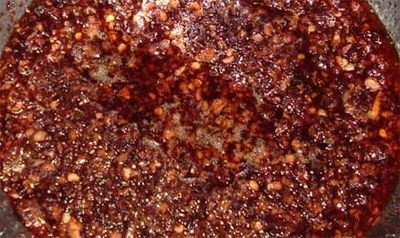
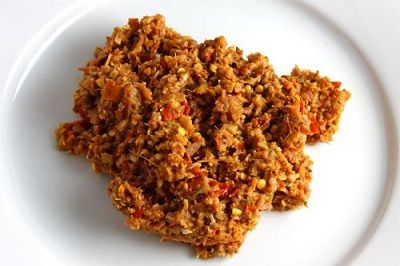
Nam prik pao is the definition of Thai culinary philosophy: a simple dish of tremendous depth. The combination of dried shrimp, fermented shrimp paste, pungent garlic, fiery chillies, and tiny sweet-acid aubergines creates a complex, intensely flavorful paste that transcends its humble ingredients. Fresh coriander adds herbal brightness. This sauce is served as a table condiment alongside steamed rice, used as a dip for fresh vegetables, spooned onto grilled meats, and stirred into soups. The mortar-and-pestle preparation is essential, it builds flavor through the pounding action that can't be replicated by machine.

Sambal 22 minutes Serves300-350
Samkeh Harra

Samkeh Harra

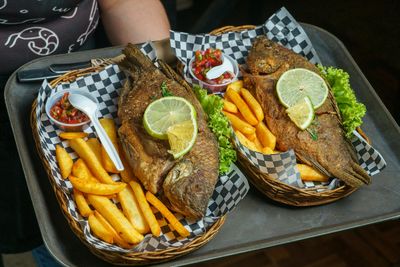
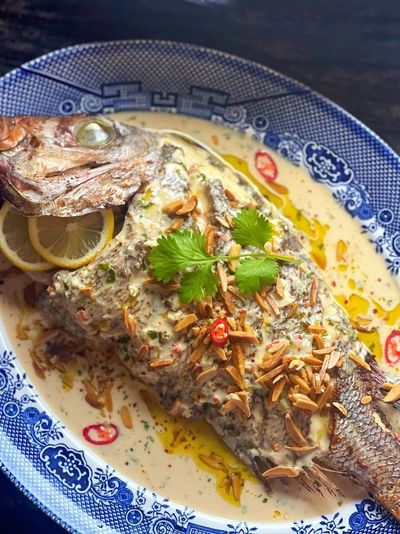
A whole fish is rubbed with salt, lemon, garlic and olive oil inside and out. While it rests, a sauce of tahini, lemon juice, water, garlic and chopped fresh coriander whisks together, adjusted with more water until the texture of pourable double cream. Diced red onion, Aleppo pepper, cumin and a pinch of cayenne fry briefly in olive oil. The tahini sauce stirs in; warms gently to a velvety consistency. The fish nestles on top in an oven dish; the sauce surrounds it; covered with foil; baked for 20 minutes; uncovered another 5-10 minutes. Topped with toasted pine nuts, pomegranate seeds and extra coriander at the table.

Palestinian 50 minutes Serves4