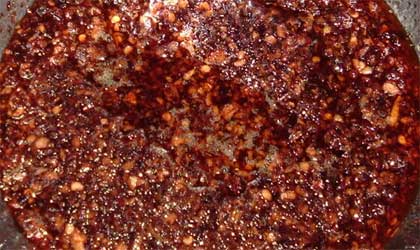
Nam Prik Pao
Thailand's roasted chilli jam: dried chillies, shallot, garlic and dried shrimp pounded with palm sugar and tamarind into a smoky.
Overview
Nam prik pao is the definition of Thai culinary philosophy: a simple dish of tremendous depth. The combination of dried shrimp, fermented shrimp paste, pungent garlic, fiery chillies, and tiny sweet-acid aubergines creates a complex, intensely flavorful paste that transcends its humble ingredients. Fresh coriander adds herbal brightness. This sauce is served as a table condiment alongside steamed rice, used as a dip for fresh vegetables, spooned onto grilled meats, and stirred into soups. The mortar-and-pestle preparation is essential, it builds flavor through the pounding action that can't be replicated by machine.
Ingredients
Seafood Components
- 50-60 grams dried shrimp (small, raw)
- 1 cm cube of shrimp paste (belacan/terasi, approximately 15-20 grams)
- 50 grams cooked prawns, peeled and roughly chopped
Aromatics & Heat
- 4-5 garlic cloves
- 4-5 fresh red chillies (medium size)
- 2-3 tablespoons fresh coriander leaves (packed tightly)
Vegetables
- 6-8 tiny baby aubergines (approximately 50-60 grams total), or substitute regular aubergine chopped finely
Liquid & Seasoning
- 4 tablespoons fresh lime juice (or lemon juice)
- 2 tablespoons Thai fish sauce
- 3 teaspoons soft light brown sugar (or palm sugar)
- Pinch of fine sea salt (adjust to taste)
Method
Stage 1 - Soak & Warm Components
- Rinse the dried shrimp briefly under cold water to remove any sediment.
- Place the dried shrimp in a bowl and cover with warm water.
- Allow to soak for 12-15 minutes until the shrimp soften and plump.
- Drain the shrimp in a colander and set aside.
- While the shrimp soak, wrap the shrimp paste cube tightly in aluminum foil.
Stage 2 - Toast Shrimp Paste
- Option A (Dry Pan): Place the foil-wrapped shrimp paste in a dry skillet over medium heat. Dry-fry for 4-5 minutes, turning the packet occasionally, until the paste smells fragrant and slightly charred.
- Option B (Gas Flame): Mold the shrimp paste onto the end of a metal skewer and hold over a gas flame for 1-2 minutes, rotating until the outside darkens and the aroma intensifies.
- Option C (Toaster Oven): Wrap in foil and toast at 180°C (350°F) for 5-7 minutes.
- Remove the toasted shrimp paste and allow to cool for 1-2 minutes.
- Unwrap carefully and set aside.
Stage 3 - Prepare Chillies & Garlic
- Wash the fresh red chillies.
- Cut off the stem end.
- For less heat, slice in half and remove all seeds and white membrane; chop finely.
- For authentic Thai version, leave seeds and membrane intact and slice the chillies.
- Peel garlic cloves and crush with the side of a knife to break apart slightly.
Stage 4 - Build the Paste Base (First Pounding)
- Place the soaked dried shrimp into a large mortar.
- Add the toasted shrimp paste.
- Add the crushed garlic cloves (still in rough pieces).
- Add the prepared chillies.
- Using a heavy pestle, pound forcefully and deliberately for 2-3 minutes.
- The ingredients will gradually break down into a rough paste.
- Continue until the mixture is mostly combined and coarse, not perfectly smooth.
Stage 5 - Add Cooked Prawns & Coriander
- Add the chopped cooked prawns to the mortar.
- Add the coarsely chopped fresh coriander leaves.
- Continue pounding with the pestle for 1-2 minutes.
- Pound gently, you want to incorporate these items, not destroy the prawn texture completely.
- The mixture should have visible prawn and herb pieces.
Stage 6 - Add Baby Aubergines
- Rinse the baby aubergines and chop roughly into bite-sized pieces (leaving some whole is fine).
- If using regular aubergine, cut into very small cubes.
- Gradually add the aubergine pieces to the mortar.
- Using the pestle, gently pound and crush the aubergine into the mixture.
- This will break down the aubergine and release its juices into the sauce.
- Continue for 2-3 minutes until the aubergine is mostly integrated and some pieces are visible.
Stage 7 - Add Liquids & Seasonings
- Squeeze the lime juice directly into the mortar (start with 3 tablespoons).
- Add 2 tablespoons Thai fish sauce.
- Add 3 teaspoons soft light brown sugar or palm sugar.
- Stir very thoroughly to combine all ingredients, approximately 1-2 minutes of stirring.
- Taste and adjust:
- More lime juice if you want brightness and tartness (up to 4 tablespoons total)
- More fish sauce if the umami seems muted (but don't exceed 3 tablespoons)
- More sugar if the shrimp paste funk dominates
- Pinch of salt if needed
Stage 8 - Final Texture & Rest
- Stir once more to ensure even distribution of all liquid.
- The final nam prik should be chunky paste with visible shrimp pieces, aubergine fragments, and herbal bits.
- Transfer to a serving bowl or glass jar.
- Allow to rest for 10-15 minutes before serving, flavors continue to develop.
Notes
- Mortar & Pestle Essential: The pounding action creates texture and flavor depth impossible to replicate with food processors. This is traditional Thai technique.
- Dried Shrimp Quality: Use high-quality dried shrimp, they should be pinkish, fragrant, and free of mold. Cheap versions are tasteless.
- Shrimp Paste Toasting: The heating mellows fermentation funk and makes the paste easier to incorporate. Never skip this step.
- Baby Aubergines: These Thai eggplants are bitter-sweet and tender. If unavailable, substitute with regular aubergine cut into tiny dice, though the character differs.
- Cooked Prawns: Use peeled, cooked prawns, raw causes food-safety concerns. These add sweetness and texture to the paste.
- Fresh Coriander: This herb provides essential brightness and freshness to balance the umami-heavy shrimp and paste.
- Fish Sauce Power: This fermented ingredient is strong. Taste as you add; you can't remove it once added.
- Texture, Not Smoothness: Nam prik is chunky, not pureed. Visible pieces of shrimp, aubergine, and herbs are correct.
Variations
Extra Spicy: Use 6 chillies with all seeds and membranes intact; use chilli paste instead of fresh for intensity. Milder Version: Use 2-3 chillies; remove all seeds and white membrane. Sweeter: Add 5-6 teaspoons palm sugar for sweetness balancing umami. Extra Shrimp: Increase dried shrimp to 70 grams or cooked prawns to 75 grams for stronger seafood character. More Herbs: Increase coriander to ¼ cup for herbal emphasis; add mint if desired.
Serving
Use in: Rice dish condiment, vegetable dip, grilled meat accompaniment, soup flavor agent Typical ratio: 1-2 tablespoons per serving alongside rice or vegetables Temperature: Served at room temperature Application: Spooned onto plates, used as dipping sauce, stirred into soups, added to stir-fried vegetables
Storage
- Refrigerate in sealed glass jar for up to 7-10 days
- The fresh coriander and aubergine in the paste limit shelf-life
- Will separate slightly in the jar (liquid rises, solids settle), stir before serving
- Can be frozen in ice-cube trays for 4-6 weeks; thaw in refrigerator before use
- Best consumed within first week for maximum chilli brightness and coriander freshness
- Check for any mold or musty smell before using
- Does not keep at room temperature due to fresh vegetable and seafood content
- In tropical climates, use within 5-6 days for safety
This universal Thai sauce appears on nearly every Thai table as a condiment, dip, and flavor agent. The name "nam prik" means chilli sauce in Thai, while "pao" refers to roasting, indicating the charred, complex flavors from toasted shrimp paste and the pounded-to-paste technique. This is Thailand's answer to sambal: powerful, umami-forward, and absolutely essential.
More like this
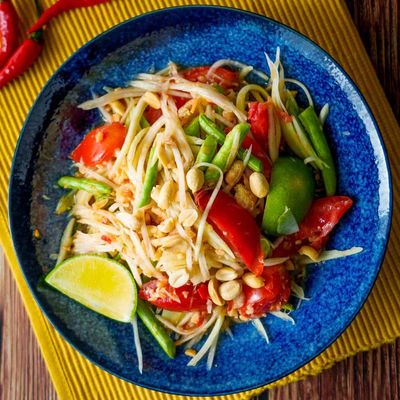
Green Papaya Salad
Famous Thai salad (som tum) with sour, sweet, savory, and spicy flavors. Pounded dressing coats crispy papaya and vegetables. Make ahead; won't wilt.
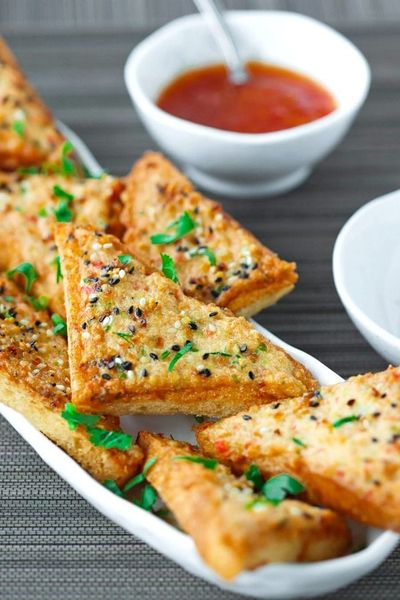
Thai Prawn Toast
These aren’t like those you find at most takeaways: thinly layered with a bit of prawn (shrimp). No way! These are slightly larger than bite-size prawn mountains. They are amazing served with the sweet chilli sauce.
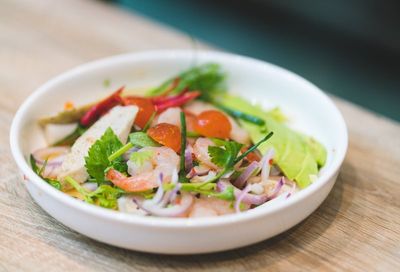
Glass Noodle Salad
Spicy Thai salad with glass noodles, prawns, and pork. Nostalgic dish from Thai barbecues; serve hot or at room temperature.
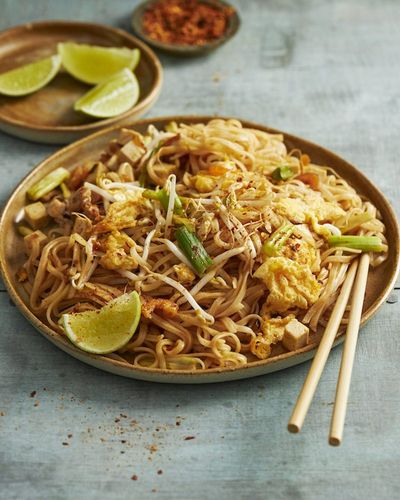
Prawn and Pork Pad Thai
This classic Thai dish of noodles is both aromatic and lightly spicy, serving well as either a main course or a starter. Pad Thai combines stir-fried rice noodles with tender chicken, pork, and prawns in a balanced sauce of curry paste, oyster sauce, and fish sauce. Fresh herbs, crushed peanuts, and a squeeze of lime complete this iconic Thai street food favourite.