In season

May produce

Tap any item to find recipes that use it.

Balti Masala

Balti Masala

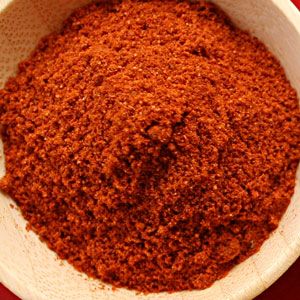
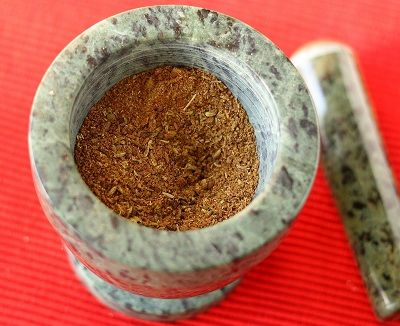
Balti masala is a mild, balanced spice blend designed as the foundation for British-Indian curries. Unlike hot masalas, this blend emphasizes warmth over fire. The whole spices are dry-roasted to develop their individual characters before grinding, creating depth of flavor that pre-ground blends can't match. The cinnamon provides sweetness, coriander seeds contribute earthiness, and cardamom adds aromatics. This is a curry powder that improves with age; it develops better flavor after 1-2 weeks of storage.

Curry Powder 10 minutes Serves200
Bean Akyaw

Bean Akyaw

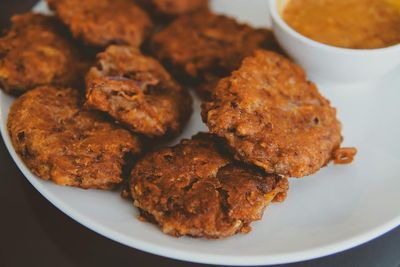
The Burmese yellow split-pea fritter, sold by street vendors in hot oil-spattered cones of newspaper across Yangon's evening markets. You soak yellow split peas overnight until they're softened but not mushy, then blitz to a coarse sandy paste with shallot, garlic, ginger, turmeric and coriander. No flour, no binder; the natural starch in the peas holds the fritters together as they fry. Tablespoonfuls drop into hot oil and fry until they're deep gold and craggy at the edges. Eaten hot from the cone with a sour-sweet tamarind dipping sauce, a wedge of lime, and whatever you can carry while you walk on through the evening crowds.

Snacks 6 hours 35 minutes Serves4
Beguni

Beguni

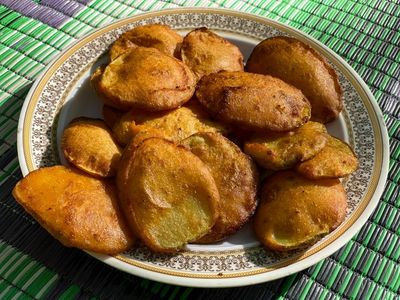
Beguni (from begun, the Bengali word for brinjal/eggplant) is the simplest of the great Bengali pakoras: long thin slices of aubergine, dipped in seasoned chickpea-flour batter and deep-fried. Done well, the contrast is everything, a shatteringly crisp shell with the lightly bitter, custard-soft eggplant inside. It is the defining iftar fritter across Bangladesh, where it appears every evening during Ramadan alongside piyaju (onion fritters) and chickpea ghugni; in West Bengal it is the tea-stall companion of muri and a monsoon-day comfort food. The technique is short on ingredients but particular: the eggplant must be salted first to draw out bitter water and prevent the slice from absorbing oil; the batter must be just thick enough to coat the back of a spoon, with the texture of double cream; and the oil must be hot enough (around 180 C) that the batter sets instantly into a crisp shell. The traditional fat is mustard oil heated until just smoking, then cooled briefly to take the raw edge off; this gives beguni its characteristic mustardy back-note. Nigella seeds (kalonji) in the batter are non-negotiable in Bangladesh, they pop slightly in the hot oil and give the fritter its distinctive aroma. Eat immediately, with a few slivers of raw onion, a green chilli and a wedge of lime.

Snacks 1 hour 5 minutes Serves4
Berbere

Berbere

Berbere is the cornerstone of Ethiopian cuisine, a powerfully hot and complex spice blend that's both a condiment and a cooking base. Unlike other chilli-forward blends, Berbere combines dried chillies with cardamom, cloves, and ajowan to create heat with sophistication. The blend is intensely aromatic and demands respect; a little goes a long way. This is a blend for stews and braises that simmer for hours, allowing the spices to develop depth and integrate with other ingredients.

Spices 25 minutes Serves50-60
Birria

Birria

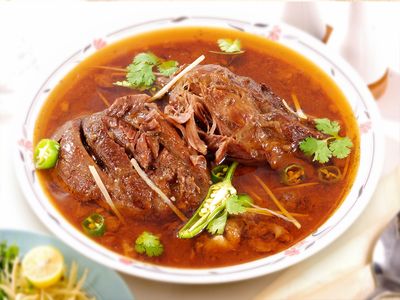
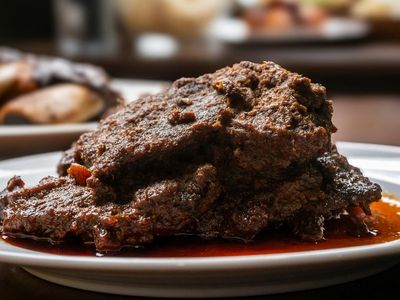
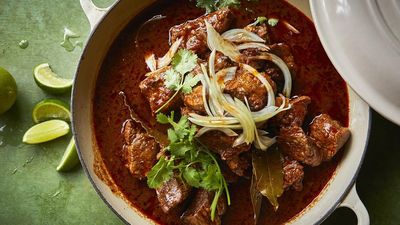
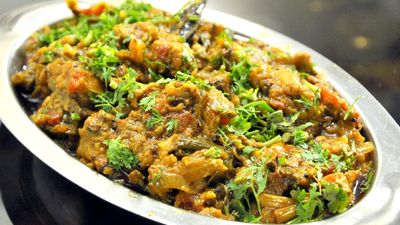
Birria is a Mexican braise of long, patient ambition. Originally a goat or lamb dish from Jalisco, it has long since adopted beef in much of Mexico and almost entirely in the popular taco version. The flavour comes from a layered chile base: guajillo for fruit and colour, ancho for raisin sweetness, pasilla for earthy depth, and a handful of arbol for a sharper heat. These are simmered with onion, garlic, cinnamon and peppercorns, blended smooth with chipotles in adobo and fire-roasted tomato, then poured over seared chuck and short rib for a long oven braise. Three hours later the meat is meltingly tender, sitting in a rust-red consomme that is the whole point: ladled over the shredded beef in a bowl, scattered with raw onion, cilantro and lime, or used to dip crisp taco shells for the now-iconic quesabirria. The recipe takes time but very little technique; almost everything happens unattended in the oven. Plan ahead and make it a day in advance so the flavours settle and the fat lifts cleanly off the top before you reheat.
Mexican 4 hours Serves8
Biryani

Biryani

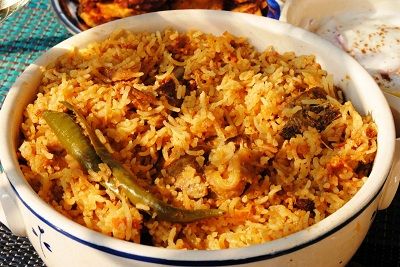
Biryani represents the height of Indian culinary technique: multiple components prepared separately with precision, then assembled in layers where flavors permeate through steam cooking. This isn't a one-step rice dish; rather, it's an architectural construction where yogurt-marinated lamb develops tenderization and flavor, then cooks slowly with warm spices and tomato, while basmati rice is independently flavored with saffron infusion and whole spices. Upon assembly, the two elements marry through steam, creating a unified dish where lamb and rice are inseparable in flavor. Traditionally cooked during festivals and royal celebrations, biryani requires patience and multiple steps but rewards with sophistication.

Indian 6 hours 45 minutes Serves4
Bobotie

Bobotie

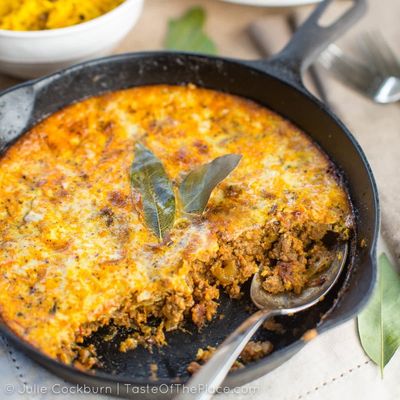
Bread is soaked in milk; mince is browned with onions; curry powder, turmeric and Cape Malay spices bloom. Apricot jam, mango chutney, vinegar and lemon balance the spice with sweet-sour notes. Raisins, toasted almonds and the soaked bread are folded through. The mixture is pressed into a baking dish; eggs are whisked with the leftover milk and poured over; bay leaves are stuck into the surface; the lot is baked until the topping is just-set with a faint wobble.

South African 1 hour 25 minutes Serves6
← Prev Page 2 of 20 Next →