Manhanga
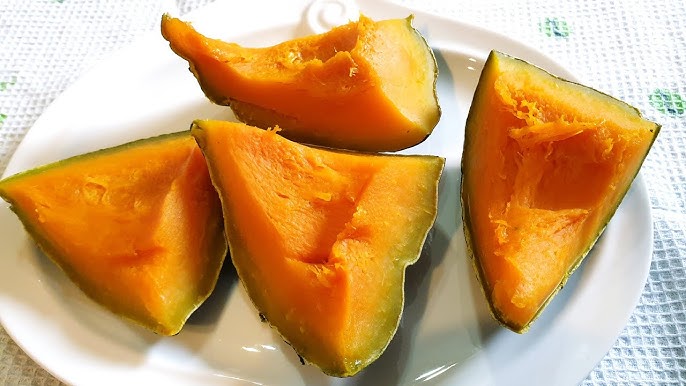
Sweet boiled pumpkin mashed with butter, sugar and a pinch of salt. A side, a snack, or a quick supper with leftover sadza. The pumpkin used in Zimbabwe is dense and floury (closer to kabocha than to the watery jack-o-lantern pumpkin); cook it until a fork goes through cleanly, then mash by hand.
Overview
Pumpkin chunks boil in salted water until tender. Drain, return to the dry pot, dry off any surface moisture over low heat, then mash with butter, a spoonful of sugar (or honey) and salt. Eat warm. A teaspoon of cinnamon or grated ginger lifts it; some homes add a splash of milk or peanut butter.
Ingredients
- 1 kg pumpkin (kabocha, butternut or red-kuri - dense, floury types), peeled and cut into 4 cm chunks
- 1 teaspoon salt
- 50 g unsalted butter
- 2 tablespoons brown sugar (or honey)
- ½ teaspoon ground cinnamon (optional)
- 50 ml whole milk (optional, for a softer mash)
Method
Stage 1 - Boil
- Put the pumpkin chunks in a wide pot; add the salt and just enough water to cover.
- Bring to a boil; cook 12-15 minutes until a fork pierces easily.
Stage 2 - Dry
- Drain in a colander; return to the dry pot.
- Place over low heat 1-2 minutes, shaking occasionally, to steam off the surface water.
Stage 3 - Mash
- Add the butter, sugar, cinnamon and milk (if using).
- Mash with a potato masher to a chunky-smooth texture (or smooth if preferred).
- Taste; adjust salt and sugar.
Stage 4 - Serve
- Pile into a bowl. Eat warm alongside sadza, stew, or as a quick snack on its own.
Notes
- Pumpkin type: Wet pumpkins (carving / jack-o-lantern) make watery mash. Use kabocha, butternut, red kuri or any dense winter squash.
- Sweet not sugary: A spoon of sugar lifts the pumpkin's natural sweetness; more turns it into pudding. Adjust to taste.
- Peanut butter swap: Replace butter with 2 tablespoons smooth peanut butter for a different (and deeply Zimbabwean) finish.
Storage
- Refrigerate 3 days; reheat in a microwave or covered pan.
- Doesn't freeze well - turns watery.
More like this
Muriwo Une Dovi
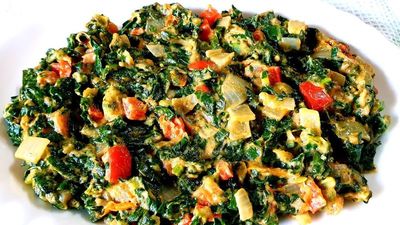
Onion is fried soft in oil; tomato softens to a jammy base; greens (covo, kale, spring greens or cavolo nero) wilt down and braise with a little water; smooth peanut butter is added towards the end, thinning to a glossy sauce. Salt, pepper, maybe a squeeze of lemon. Eaten with sadza.
Blue Corn Mush
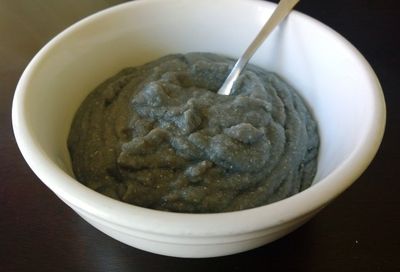
Cold water and a pinch of baking soda (standing in for juniper ash, the ash's alkali helps the corn release niacin and keeps the colour blue rather than grey) come to a simmer. Blue cornmeal whisks in steadily as the heat continues. The mush thickens over 10 minutes of stirring; salt seasons; it cooks another 3 minutes to lose any raw-flour edge. Served in bowls with honey or maple, toasted piñon nuts (or pumpkin seeds), dried cranberries or blueberries, and a splash of cream.
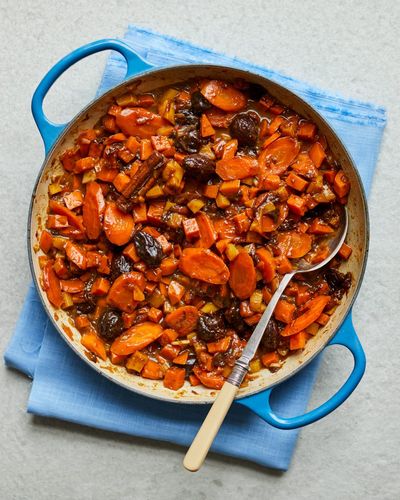
Tzimmes
Carrots, sweet potatoes and prunes are layered in a baking dish with butter or oil, honey, brown sugar, orange juice and a stick of cinnamon. Covered and roasted low until the vegetables soften and absorb the sweet braising liquid, then uncovered for the last fifteen minutes so the top catches and the juices reduce to a syrup. The dish is sweet on purpose: it is the food of a hopeful festival.
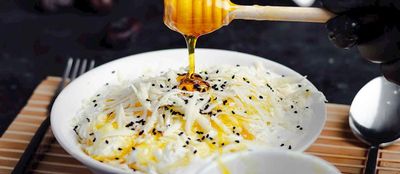
Areeka
A Saudi sweet you can put together in five minutes from three ingredients you almost certainly have: bread, dates, samna. You tear soft, slightly toasted whole-wheat flatbread (khubz tameez works) into a heavy bowl, scatter pitted dates over it (medjool or kholas, the Saudi favourites), then press the mixture lightly with a wooden pestle or the back of a spoon while a generous pour of warm melted samna goes over the top. The dates collapse into the bread under the heat and the pressure, and the samna soaks through until you have a thick, buttery, intensely sweet mass that holds together in a spoon. Some versions add ground cardamom, a sprinkle of toasted sesame, or a final swirl of honey on top. Eaten warm with the fingers or a spoon, traditionally for breakfast or as the sweet course at the end of a heavy meal.