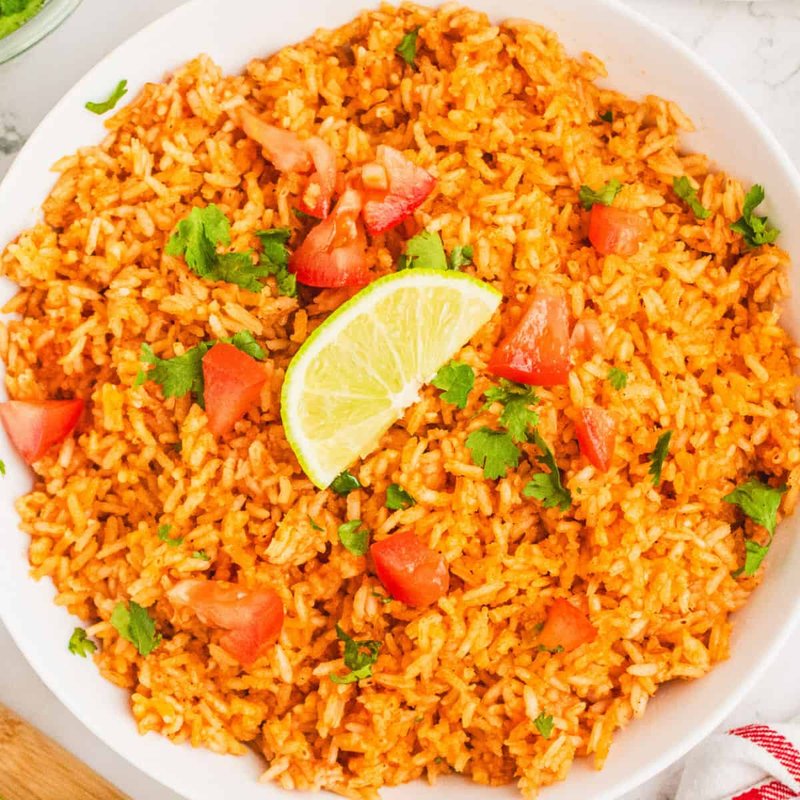
Mexican Rice
The taquería side: long-grain rice toasted in oil, then simmered in stock and pureed tomato till each grain is dyed orange-red.
Overview
Long-grain rice (not basmati or jasmine, they're too slim) toasts in oil over medium heat until pale gold and nutty, 3-4 minutes. Diced onion and garlic join briefly. A blender pulses a ripe tomato, garlic clove, ½ onion and a few sprigs of coriander into a smooth red puree; this strains through a sieve to remove fibre and pours into the pan with the toasted rice, along with chicken stock, salt, cumin and a bay leaf. Brought to a simmer, covered, reduced to lowest heat, cooked for 18-20 minutes until the liquid is absorbed and the rice is tender. Off heat 10 min rest; fluffed with a fork; finished with frozen peas and chopped coriander.
Ingredients
Tomato base
- 2 ripe tomatoes (about 300 g)
- 1 onion (small, rough chunks for the blender)
- 2 garlic cloves
- 1 small handful fresh coriander stems
- 1 chipotle in adobo (optional, for smoke; or 1 teaspoon smoked paprika)
- 300 ml chicken stock (or vegetable; use enough to bring the total tomato + stock to 500 ml)
Rice
- 300 g long-grain white rice (not parboiled, not basmati)
- 3 tablespoons sunflower oil
- 1 onion (small, the remaining half, finely diced)
- 2 garlic cloves (finely diced)
- 1 teaspoon ground cumin
- 1 teaspoon dried oregano (Mexican oregano if available)
- 1 bay leaf
- 1 ½ teaspoons salt (to taste)
To finish
- 100 g frozen peas (defrosted - or fresh)
- 50 g sweetcorn kernels (optional)
- 3 tablespoons fresh coriander (chopped)
- 1 lime (cut into wedges)
Method
Stage 1 - Make the tomato puree
- In a blender, blitz tomatoes, onion chunks, 2 garlic cloves, coriander stems and chipotle (if using) to a smooth red puree.
- Strain through a sieve into a measuring jug; press to extract as much juice as possible.
- Top up with chicken stock to bring the total volume to 500 ml.
Stage 2 - Rinse the rice (optional)
- Place the rice in a sieve; rinse under cold water until the water runs clear.
- This step is optional and slightly controversial - rinsed rice gives cleaner grains; unrinsed rice gives a slightly stickier rice but more flavour. Both work.
- Drain well - wet rice steams instead of toasts.
Stage 3 - Toast the rice
- Heat the sunflower oil in a wide heavy lidded pot over medium heat.
- Add the rice; stir to coat.
- Toast 4-5 minutes, stirring almost constantly, until the rice turns pale gold and smells nutty (don't let it brown deeply - that's burnt).
Stage 4 - Aromatics
- Add the diced onion and garlic; cook 2 minutes until just softened.
Stage 5 - Spice
- Stir in cumin and oregano; cook 30 seconds.
Stage 6 - Liquid
- Pour in the tomato-stock mixture; add the bay leaf and salt.
- Stir once; bring to a boil.
Stage 7 - Cook
- As soon as it boils, reduce heat to the lowest setting.
- Cover with a tight lid.
- Cook 18-20 minutes - don't peek, don't stir.
Stage 8 - Rest
- Off heat; leave covered another 10 minutes.
Stage 9 - Fluff and finish
- Discard the bay leaf.
- Fluff gently with a fork (don't stir aggressively - breaks the grains).
- Fold in defrosted peas and sweetcorn (if using).
- Cover 2 minutes for the peas to warm through.
Stage 10 - Serve
- Tip onto a wide serving plate.
- Scatter fresh coriander.
- Lime wedges around.
Notes
- Toast the rice - don't skip: The 4-5 minute toast is the entire technique. Untoasted rice gives a wet, sticky, tomato-flavoured rice. Properly toasted rice gives separate, fluffy, deeply-flavoured grains.
- Long-grain, not basmati: Long-grain American or Latino rice is what arroz rojo needs. Basmati's longer grain and aromatic character is wrong for Mexican cooking. Use Mahatma, Carolina Gold, or similar.
- Strain the tomato puree: Skipping the strain step leaves bits of tomato skin and fibre that disrupt the texture. The strained puree gives a clean coloured liquid that the rice absorbs evenly.
Storage
- Refrigerate 4 days; reheat covered with 1-2 tablespoons of water added.
- Freezes 2 months; defrost in the fridge then reheat.
More like this
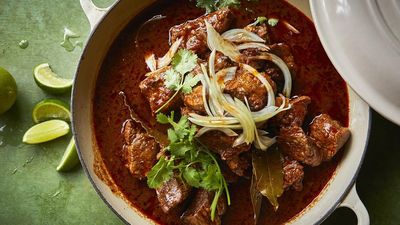
Birria
Birria is a Mexican braise of long, patient ambition. Originally a goat or lamb dish from Jalisco, it has long since adopted beef in much of Mexico and almost entirely in the popular taco version. The flavour comes from a layered chile base: guajillo for fruit and colour, ancho for raisin sweetness, pasilla for earthy depth, and a handful of arbol for a sharper heat. These are simmered with onion, garlic, cinnamon and peppercorns, blended smooth with chipotles in adobo and fire-roasted tomato, then poured over seared chuck and short rib for a long oven braise. Three hours later the meat is meltingly tender, sitting in a rust-red consomme that is the whole point: ladled over the shredded beef in a bowl, scattered with raw onion, cilantro and lime, or used to dip crisp taco shells for the now-iconic quesabirria. The recipe takes time but very little technique; almost everything happens unattended in the oven. Plan ahead and make it a day in advance so the flavours settle and the fat lifts cleanly off the top before you reheat.
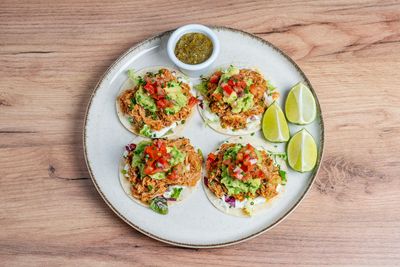
Tinga de Pollo
Chicken thighs are poached with onion, garlic and bay until just cooked, then shredded with two forks. A sauce is built separately: sliced onion is caramelised, then chipotles in adobo and tinned tomatoes are blended in and simmered down with the poaching liquor. The shredded chicken is folded back through the sauce so every shred picks up the smoke and acidity. Spoon onto warm tostadas with avocado, crema and crumbled queso fresco.
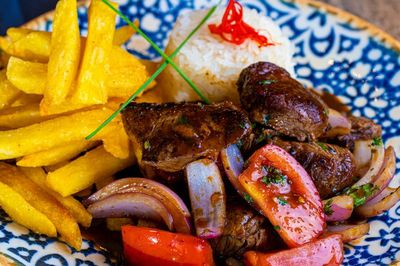
Lomo Saltado
Beef strips are marinated briefly in soy and aji amarillo paste. Fries are cooked separately, pre-fried, set aside. The wok hits high heat; beef is seared in batches; red onion and tomato are added briefly so they keep their bite; soy, vinegar, lime and stock are poured in to sauce. The fries go in last, just before serving, a 30-second toss so they pick up flavour without going soggy.
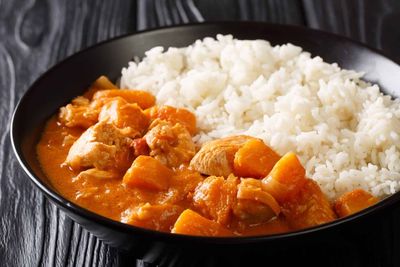
Domoda
Chicken thighs (or lamb) are browned, onions and tomato cooked down with garlic and a single whole chilli, then the meat simmers in stock until tender. A loose peanut paste is stirred in for the final 20 minutes, kept thin enough to ladle. Sweet potato or pumpkin softens in the sauce. A spoon of lime juice at the end balances the richness.