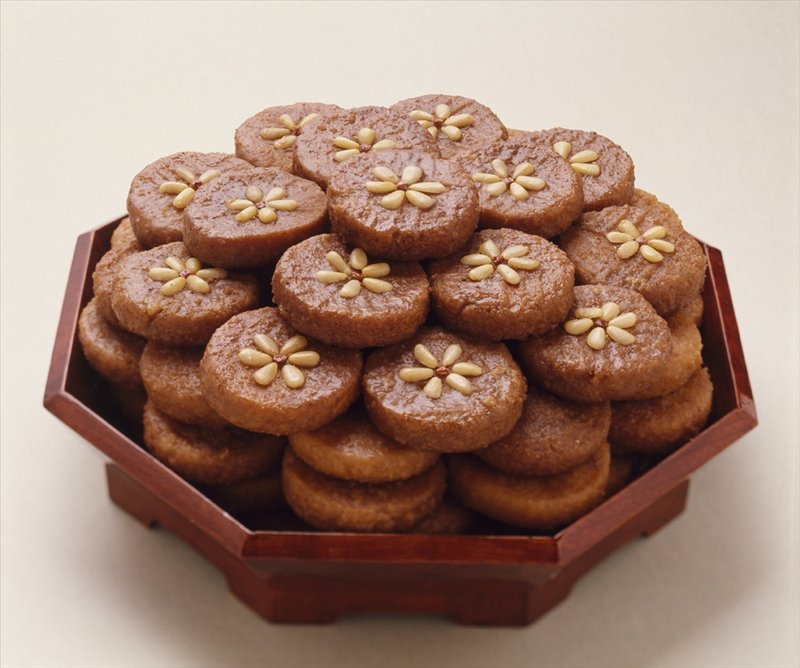
Yakgwa (Honey-Fried Wheat Cookies)
Korea's royal cookie: a sesame-oil-and-honey dough deep-fried golden, then soaked in a rice-syrup-and-ginger glaze. Eaten at Seollal.
Overview
A dough of flour, sesame oil, honey, sugar, soju (Korean rice wine), and a pinch of cinnamon and ginger rubs together, yakgwa dough is sandy, not stretchy (no gluten development is desired). Rests for 30 minutes. Rolls 8 mm thick; cuts into 3 cm flower shapes with a cutter. Pricks each piece with a fork or knife (helps the syrup soak in). Fries in two stages: gentle 110°C heat first to swell the dough; then 160°C to crisp. While frying, syrup of honey, rice syrup (or maple/corn), water and ginger simmers briefly. Hot fried cookies dunk into warm syrup; rest for 1 hour to absorb; lift onto a rack to drain excess.
Ingredients
Dough
- 350 g plain flour
- ½ teaspoon salt
- ¼ teaspoon ground cinnamon
- ¼ teaspoon ground ginger
- 60 ml toasted sesame oil (the dark Korean kind)
- 60 ml honey
- 30 ml soju (Korean rice spirit, substitute vodka or dry sake)
- 20 g caster sugar
Frying
- 800 ml neutral oil
Soaking syrup
- 100 g honey
- 100 ml rice syrup (jocheong, substitute maple syrup or light corn syrup)
- 50 ml water
- 20 g fresh ginger (sliced thin)
- 1 cinnamon stick (small)
To finish (optional)
- 2 tablespoons pine nuts (chopped fine)
- 2 tablespoons toasted sesame seeds
Method
Stage 1 - Dough
- In a wide bowl, whisk the flour, salt, cinnamon and ginger.
- Pour in the sesame oil; rub through the flour with your fingertips for 3-4 minutes until the mixture resembles damp sand (like making shortcrust but with sesame oil).
- In a small bowl, whisk the honey, soju and sugar.
- Pour over the floured mix; stir with a spatula until just bound.
- Press together - DO NOT KNEAD. Yakgwa dough should be soft, slightly oily, with no gluten development.
- Wrap; rest 30 minutes.
Stage 2 - Soaking syrup
- Combine honey, rice syrup, water, sliced ginger and cinnamon stick in a small pan.
- Bring to a gentle simmer; cook 5 minutes.
- Remove from heat; let infuse while you fry.
Stage 3 - Cut shapes
- Roll the rested dough on a lightly floured surface to 8 mm thick.
- Cut with a 3 cm flower-shaped cutter (or any small shape).
- Prick each shape 3-4 times with a fork or the tip of a small knife - this lets the syrup penetrate.
Stage 4 - Two-stage fry
- Stage A (low heat): heat the oil to 110°C. Lower the yakgwa shapes in (6-8 at a time). Fry 6-8 minutes at this low temperature - they should puff slightly and turn pale gold without browning. The dough cooks through.
- Stage B (high heat): turn the heat up to 160°C. Continue frying 2-3 more minutes; the surface deepens to amber gold.
- Lift onto a wire rack; let drain briefly.
Stage 5 - Soak
- While still warm, drop the fried yakgwa into the syrup (strain out the ginger and cinnamon first if you prefer a clean look).
- Soak 30-60 minutes - they absorb the syrup.
Stage 6 - Drain and finish
- Lift onto a wire rack to drain excess syrup (place a tray underneath to catch drips).
- Sprinkle with chopped pine nuts and sesame seeds.
- Cool completely.
Notes
- Two-stage frying is essential: straight high-heat frying browns the outside before the inside cooks - yakgwa stays raw in the middle. The low-temperature first stage cooks the centre, the high-temperature second stage colours and crisps.
- Don't knead: the dough must stay short and crumbly. Kneading develops gluten and the texture goes tough.
- Sesame oil: must be the dark toasted Korean / Asian sesame oil. Light untoasted is wrong.
- Soak warm cookies in warm syrup: the temperature drives absorption. Cold cookies in cold syrup just get sticky on the outside.
Storage
- Keeps 2 weeks at cool room temperature in a sealed tin.
- The texture improves on day 2-3 as the syrup distributes fully.
- Don't refrigerate - the dough goes hard.
- Don't freeze - texture suffers.
More like this
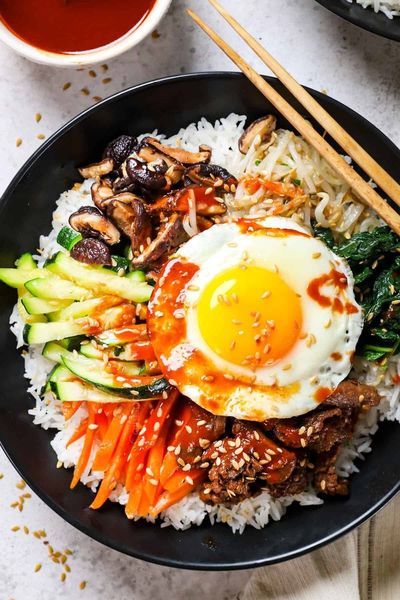
Bibimbap
Each vegetable cooks separately and gets dressed with sesame oil, garlic and soy. They arrange in colourful piles around a mound of rice; an egg fries on top. Gochujang sauce on the side. Diners mix vigorously before eating.
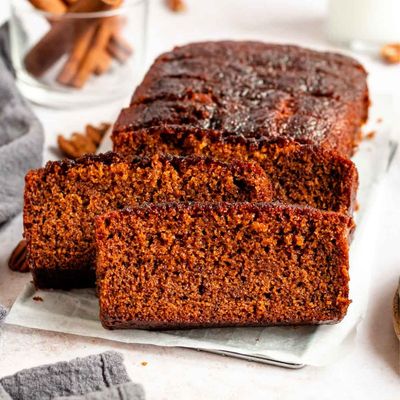
Honey Cake
A simple oil-based cake built around a generous pour of dark honey, brewed coffee for moisture and depth, and a quartet of spices (cinnamon, ginger, clove, allspice). Mixed in one bowl, baked low and slow. The crumb is dark and dense without being heavy; the flavour deepens overnight, which is why most Jewish households bake it a day or two ahead of the meal.
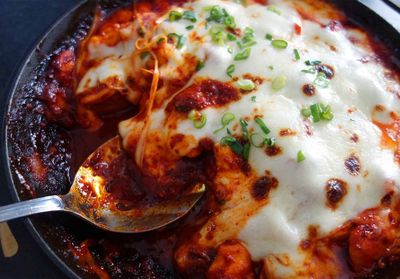
Buldak
Boneless chicken thighs cube small; marinate for 1 hour in gochujang, gochugaru, soy, garlic, ginger, sugar and sesame oil. Pan-grill in a wide cast-iron skillet over medium-high until the sauce caramelises and the chicken is just cooked. Off heat, generous mozzarella scatters across the top; cover briefly or finish under a grill to melt. Top with sesame seeds and spring onions.
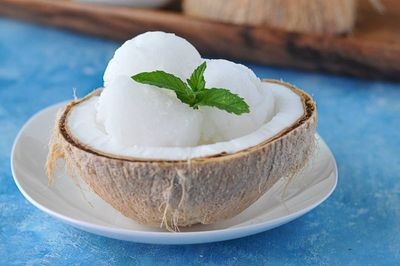
Thai Coconut Ice Cream
A custard-free, fully coconut ice cream. Coconut milk (full-fat) and coconut cream combine with palm sugar, glucose syrup (or honey, keeps the texture smooth) and salt; warm together gently to dissolve the sugar. Cool fully (4 hours fridge or an ice bath). Churn in an ice-cream machine for 25-30 minutes until thick and creamy. Transfer to a container; freeze 2+ hours to firm. Serve in small bowls or, for the Bangkok cart presentation, in halved fresh coconut shells, topped with any combination of: small banana slices, sticky rice, roasted peanuts, sweet red beans, palm-sugar syrup, toasted coconut.