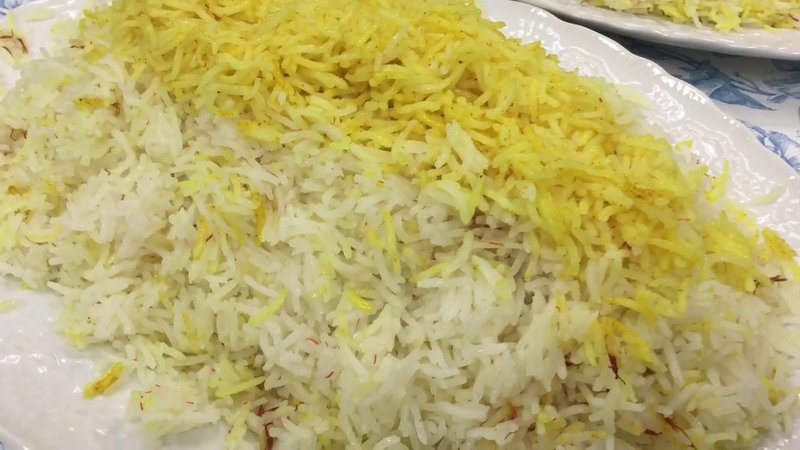
Saffron Rice (Azerbaijani Style)
The everyday cousin of plov: basmati steamed under a butter-and-saffron crust until the top is stained amber-gold.
Overview
The everyday cousin of plov: the rice you cook on a Tuesday when there's no wedding to feed but you still want the saffron-stained, butter-glossy crust that defines Azerbaijani rice cookery. You soak basmati for an hour in salted water, par-boil in heavily salted water for five minutes, drain. The empty pot films with butter, the rice mounds back in, more butter dots on top, and saffron-infused water drizzles over the peak so the colour stains down through the grains. A tea-towel-wrapped lid traps the steam, and forty minutes on low heat does the rest. Lift the rice gently with a slotted spoon so the amber-gold crust at the bottom stays intact for the table. Eats with anything braised, grilled or stewed; the rice is the dish.
Ingredients
- 500 g basmati rice
- 2 tablespoons salt (for the par-boil)
- 80 g unsalted butter
- 1 large pinch saffron threads (~15 strands)
- 3 tablespoons boiling water
Method
Stage 1 - Soak and par-boil
- Rinse the basmati under cold water until the runoff is clear.
- Soak in cold salted water 1 hour.
- Bring 3 L water to a rolling boil with 2 tablespoons salt.
- Drain the rice; tip into the boiling water.
- Par-boil 5 minutes - grains should bend but still have a hard core.
- Drain in a colander; rinse briefly with warm water.
Stage 2 - Saffron infusion
- Grind the saffron threads with a tiny pinch of sugar in a mortar.
- Pour over 3 tablespoons boiling water; rest 5 minutes.
Stage 3 - Steam
- Melt half the butter (40 g) in a heavy pot over medium heat until just foaming.
- Tip the par-boiled rice on top, mounding into a loose pyramid.
- Drizzle the saffron infusion over the peak (it'll stain the top layer amber).
- Dot the remaining 40 g butter in cubes on top.
- Wrap the pot lid in a clean tea towel (catches condensation).
- Cover tight; reduce heat to low.
- Steam 40 minutes - do not lift the lid.
Stage 4 - Plate
- Lift the saffron-stained top layer onto a warm platter first.
- Heap the remaining rice around it.
- The bottom of the pot will have a thin crisp golden crust - break this into shards and serve alongside.
Notes
- Tea-towel wrap is the trick: the cloth absorbs the rising steam so condensation doesn't drip back onto the rice and make it stodgy.
- Don't stir during steaming: the rice cooks evenly on its own. Stirring crushes grains and releases starch.
- Two-stage cooking: the par-boil sets the grain length; the steam finishes it dry and separate.
Storage
- Refrigerate 3 days; reheat covered with a tablespoon of water in a 160°C oven 15 minutes.
- Freezes 2 months in portion-sized bags; thaw 4 hours in the fridge before reheating.
More like this
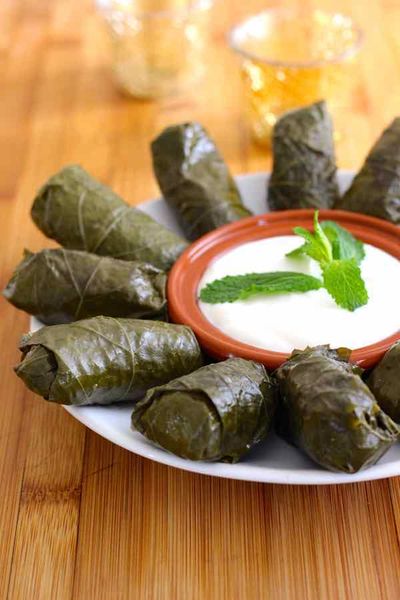
Dolma (Azerbaijani Stuffed Vine Leaves)
Azerbaijan's stuffed vine leaves, claimed as the national dish in 2017 and added to UNESCO's list of Intangible Cultural Heritage. You start by soaking brined vine leaves in warm water for twenty minutes to leach out the salt, then build a filling of raw lamb mince with rinsed short-grain rice, finely chopped onion, fresh mint and dill, butter, salt and pepper. Each leaf gets a teaspoon of filling and rolls into a tight cigar. The rolls pack in a single layer in a heavy pot, then a second and third layer perpendicular to the first, like a brickwork pattern that holds them together as they cook. Stock and a splash of sumac water pour in to barely cover, an inverted plate weighs everything down so the dolma keep their shape, and the lot simmers slowly for fifty minutes. Plated on a platter with thick garlic yogurt alongside for dipping.
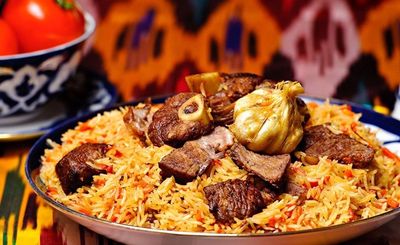
Plov
Azerbaijan's wedding rice, the centrepiece of any celebration worth the name, and a dish that takes most of a day to do properly. You soak basmati for an hour in salted water, drain it, par-boil for five minutes in heavily salted water, drain again. A wide heavy pot is buttered, and a sheet of lavash (or a saffron-soaked rice base) lines the bottom to form the qazmaq crust that's the prize at the end of the meal. The par-boiled rice piles on top, butter melts down through it, the pot covers and steams for forty minutes to an hour on low heat. Meanwhile you cook the qara separately: lamb shoulder cubes browned, onions softened slowly, dried apricots and chestnuts added with a splash of water, the whole stew simmering for ninety minutes until the lamb is meltingly tender. The plov comes to the table with the rice mounded on a platter, the qazmaq crust broken and shared at the table, and the qara spooned alongside. A meal that announces itself.
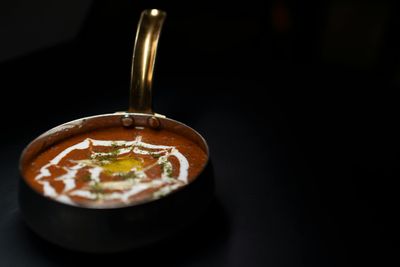
Dal Makhani
Whole black urad lentils and a small handful of red kidney beans are soaked overnight, then pressure-cooked or simmered until completely tender. A tomato-and-spice masala is built separately with onion, garlic, ginger and a careful hand with the spices. The lentils are folded into the masala and simmered, low and slow, for two hours, while butter and cream are stirred through in the final stage. The lentils break down into a glossy, almost-velvet finish.
Lahori Chana Pulao
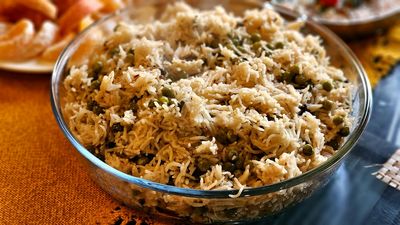
Whole chickpeas are soaked overnight and simmered until tender (or pressure-cooked). The chickpea cooking liquor is measured and reserved as part of the rice cooking liquid. A fried-onion base is built in ghee with whole spices, ginger-garlic paste and ground spices, and the cooked chickpeas are folded in. Soaked basmati is toasted in the base, then the measured cooking liquor goes in for the steam. A scatter of fried onion and coriander finishes.