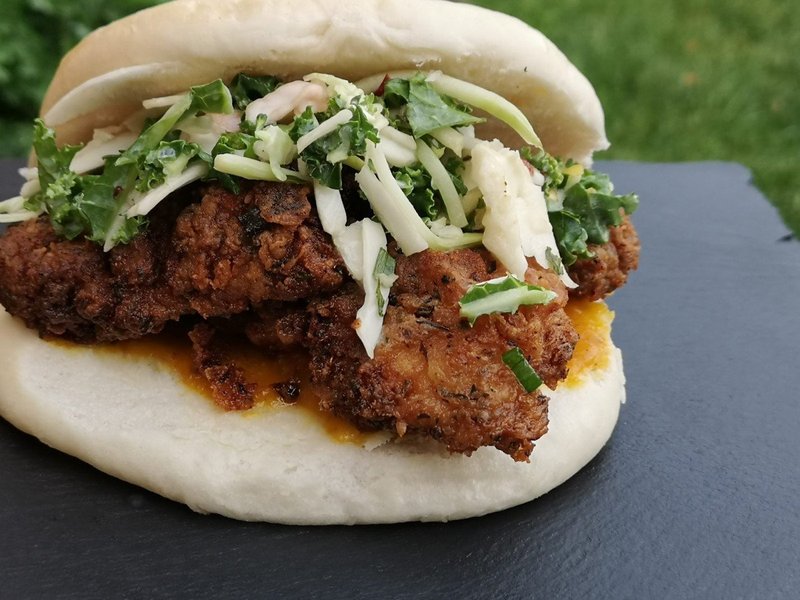
Spicy Coconut Fried Chicken Sandwich
Caribbean-inspired fried chicken sandwich by Chef Winslow. Thighs marinate in coconut milk and minced Scotch bonnet, then fry crisp in a seasoned self-rising flour. Mango-Scotch-bonnet sauce on the bun; coleslaw dressed with more coconut milk and vinegar. Served on Jamaican coco bread.
Overview
A Caribbean reimagining of the American fried chicken sandwich, by Chef Winslow: every part of the sandwich carries coconut in some form, and Scotch bonnet runs through the whole thing as the heat carrier. The chicken thighs marinate in coconut milk and minced Scotch bonnet (the coconut tenderises and mellows, the Scotch bonnet penetrates fierce); the coleslaw is dressed not with mayo but with coconut milk and vinegar (lighter, brighter than a classic slaw); and the bun is Jamaican coco bread, which is a soft enriched bread made with coconut milk in the dough, slightly sweet and pillowy. Mango-Scotch-bonnet sauce on the bun is the fourth coconut-and-bonnet ladle. The flavour is unmistakably Caribbean rather than American Southern, sweet, hot, layered, with the coconut mellowness softening what would otherwise be a punishing heat. Smell is coconut milk hitting hot oil. Not difficult; the timing matters because the slaw wants to chill while the chicken marinates and fries. A modern Black-American chef creation from the 2010s-2020s rebooting the fried chicken sandwich format around Caribbean roots, and one of the cleaner examples of how that tradition has expanded the format.
Ingredients
Chicken and marinade
- 450 g boneless skinless chicken thighs
- 240 ml coconut milk
- 1 ½ tablespoons minced Scotch bonnet
- 2 tablespoons Citrus-and-Herb (or Greens-and-Garlic Caribbean seasoning)
Flour dredge
- 2 cups self-rising flour
- 2 tablespoons Citrus-and-Herb (or Greens-and-Garlic Caribbean seasoning)
- Oil for deep-frying
Coleslaw
- 2 heaping cups coleslaw mix (white + red cabbage + carrot)
- 120 ml coconut milk
- 1 tablespoon white vinegar
- ½ tablespoon Caribbean seasoning
To build
- 3 Jamaican coco bread
- 3 tablespoons mango-Scotch-bonnet sauce
- 1 tablespoon brown sugar (optional, in the slaw)
Method
Stage 1 - Marinate
- In a bowl combine the chicken with the coconut milk, minced Scotch bonnet and 2 tablespoons seasoning.
- Toss; refrigerate 30-45 minutes.
Stage 2 - Coleslaw
- Whisk together the coconut milk, vinegar and seasoning.
- Toss with the coleslaw mix.
- Refrigerate while the chicken cooks.
Stage 3 - Fry
- Combine the self-rising flour with 2 tablespoons of the seasoning in a shallow bowl.
- Heat the frying oil to 175°C / 350°F.
- Lift each chicken thigh from the marinade; shake off excess; coat thoroughly in the seasoned flour.
- Fry 5-7 minutes until deep golden and 75°C internal.
- Drain on paper towels.
Stage 4 - Assemble
- Warm the coco bread.
- Spread mango-Scotch-bonnet sauce on each.
- Layer in the fried chicken; pile on the coleslaw.
- Serve immediately.
Notes
- Coco bread is essential: Jamaican coco bread is soft and slightly sweet from coconut milk in the dough. Brioche substitutes; supermarket buns don't.
- Branded seasoning: Brawta Caribbean's branded seasonings are what Chef Winslow uses. Standard Jamaican curry powder + jerk seasoning is the substitute.
Storage
- Fried chicken keeps 2 days refrigerated; reheat in a hot oven, not the microwave.
- Build sandwiches to order.
More like this
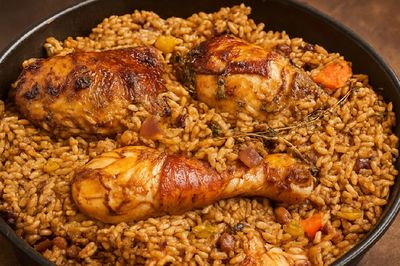
Pelau
Pelau is the Trinidadian one-pot, a meld of West African jollof technique with South Asian pilau influence and a uniquely Caribbean step: caramelising brown sugar in hot oil until it foams and turns dark mahogany, then dropping the seasoned chicken straight in so the meat takes on the colour and the slightly bitter-sweet edge of burnt sugar. This is the signature move of Trinidadian "browning" and it is what makes pelau pelau and not pilaf. Coconut milk, pigeon peas (gungo peas in some other islands), thyme, garlic and a whole Scotch bonnet finish the build. The rice cooks through the whole pot so it absorbs the chicken juices, coconut and burnt sugar, and the finished dish is mid-brown, glossy, mildly sweet, slightly spicy and packed with chicken on the bone. It is not difficult but the burnt-sugar step requires nerve: the sugar needs to go well past caramel into something that smells almost burnt, otherwise the pelau will be too sweet rather than savoury-deep. Cook in a heavy pot with a tight lid and resist stirring once the rice is in. Serve with coleslaw or a sharp green salad, a slick of pepper sauce and a slice of fried plantain.
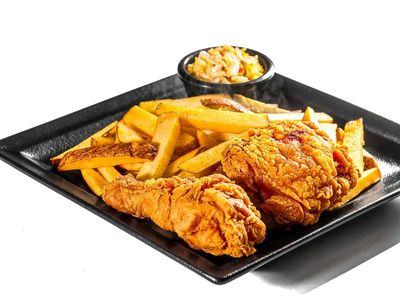
Buttermilk Fried Chicken
The Southern Sunday dinner that defined a region. You start the night before, sinking bone-in chicken pieces into a buttermilk brine spiked with hot sauce and garlic so the acid tenderises the meat and the seasoning works its way deep. The next day comes the double-dredge: a roll through heavily-seasoned flour, a brief dip back in the buttermilk, then another roll through the flour, which is what gives the finished bird its craggy, almost lacy crust. Into 175°C oil for twelve to fifteen minutes per piece, turned every few minutes so the crust browns evenly. You're done when the coating is deep mahogany and a thermometer in the thigh reads 75°C. Drain on a wire rack rather than paper so the steam escapes and the crust stays shattering. Eat hot with a stack of pickles, a soft biscuit and a bottle of hot sauce on the table; cold the next day at the kitchen counter is its own justified American ritual.
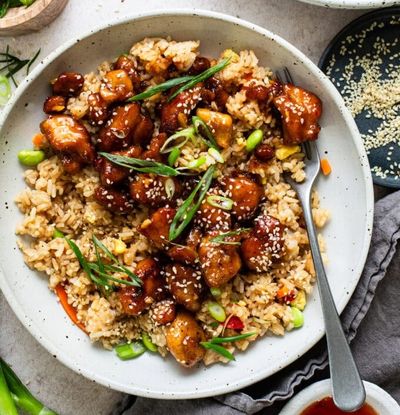
Crispy Honey Garlic Chicken
An Asian-American takeout standard reimagined for the home kitchen, with one specific upgrade: 10 cloves of garlic, chopped rather than minced, so the pieces stay visible and bite back. The flavour is the canonical sweet-salty-spicy balance of American Chinese cookery, honey for sweetness, soy for salt and umami, sweet chilli sauce (Mae Ploy or similar Thai bottled brand) for vinegared chilli warmth, garlic for sharpness across the back. Crisp comes from a cornstarch dust on the chicken, which gives a more even, lacier crust than flour does and stays crisp longer once the sauce hits it. The chicken thighs themselves stay juicy because they're cubed, not pounded; the small pieces cook fast and the seasoning penetrates. Smell when the chicken hits the sauce is honey-and-soy hitting hot oil, which is one of the more universally appealing kitchen smells. Easy and fast, active cooking under 20 minutes once the marinade has rested. The dish has no claim to traditional Chinese cookery; it's the product of decades of evolution in American Chinese restaurants and the home-cook adaptations that followed.
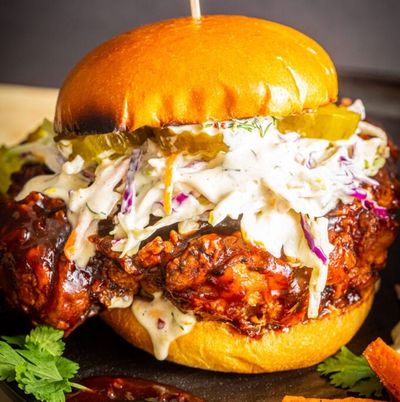
Honey Chipotle Fried Chicken Sandwich
Three flavour systems stacked on a single sandwich: a buttermilk-brined fried chicken thigh (the American Southern foundation), a smoky-sweet chipotle-honey-soy glaze (the modern flavour-bomb that took fast-food fried chicken in the 2010s past plain Buffalo), and a Cajun-lemon-dill aioli slaw with dill pickle chips (the cool, acidic, salt-heavy counter that keeps the sandwich from being a sweetness-overload). The chipotle-honey is the dish's identity, molasses-deep, smoky from canned chipotles in adobo, sticky-sweet from honey and brown sugar, savoury from the soy that grounds it. Pickle juice in the buttermilk brine is the small upgrade that pushes the chicken from good to noticeably better; the salt and acid penetrate the meat and tenderise further than buttermilk alone. Smell is fried chicken with a wave of chipotle-and-honey lifting off the warm bun. Easy enough to make at home and genuinely better than most chain-restaurant versions; this isn't traditional Southern cooking, it's the modern American fried-chicken-sandwich-renaissance dish, the kind of build that emerged from food blogs and Black-American chef culture across the 2010s and 2020s.