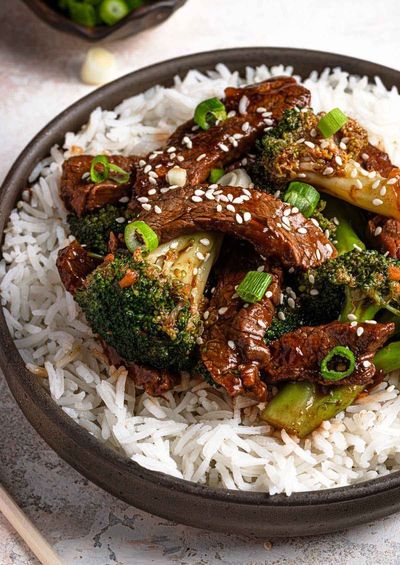
Beef and Broccoli
Sliced beef velvets briefly in cornflour and soy, broccoli florets blanch to bright green, and the lot stir-fries hard with garlic and ginger in a soy-oyster-rice-wine sauce. Served over steamed rice.
Chinese
Tap a chip to add another filter, or use Clear all below.
Tap any item to find recipes that use it.
Sliced beef velvets briefly in cornflour and soy, broccoli florets blanch to bright green, and the lot stir-fries hard with garlic and ginger in a soy-oyster-rice-wine sauce. Served over steamed rice.
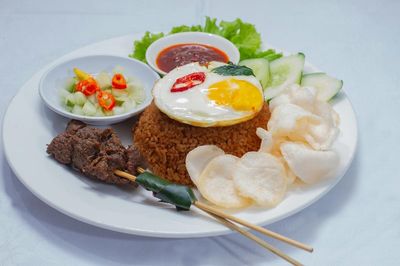
Indonesia's national fried rice, traditionally a way to put yesterday's leftovers to work and now a fixture from street stalls to weeknight kitchens. Beef mince keeps the cooking time short, while kecap manis, soy, shrimp paste and a crumbled stock cube layer the savouriness from four directions. The trick is pressing the rice into the wok and leaving it alone long enough to pick up a proper char before tossing.
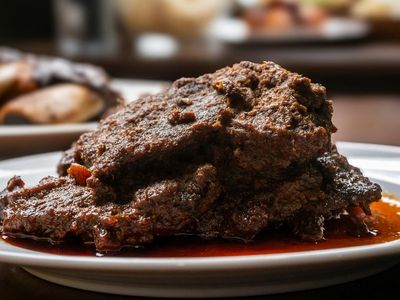
Rendang is a spicy meat dish which originated from the Minangkabau ethnic group of Indonesia, and is now commonly served across the country. One of the characteristic foods of Minangkabau culture, it is served at ceremonial occasions and to honour guests. This rich, aromatic curry features beef slowly simmered in coconut milk and spices until deeply flavoured.
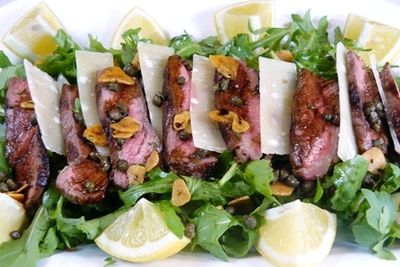
Beef Tagliata is an elegant simplicity itself: thick-cut sirloin seared until a golden crust forms, rested to retain its juices, then sliced thin. The accompanying rosemary-infused oil with lemon zest and juice creates a sophisticated dressing that adds depth without heaviness, while peppery rocket and Parmesan shavings provide textural contrast. This is a dish that celebrates the quality of the beef and the importance of proper technique.
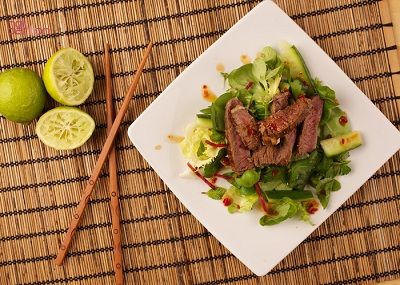
Go Bo Hoi An is a piquant Vietnamese beef salad featuring thinly sliced seared beef tossed with crisp vegetables, fresh herbs, and a bright tamarind-lime dressing. This dish has delicate undertones of lime and garlic which carry through the tamarind flavours perfectly. The combination of tender beef, crunchy vegetables, aromatic herbs, and crispy rice papers creates a textural and flavourful celebration of Vietnamese cuisine. Quick to make but requires advance preparation, ensure the salad, dressing, and toppings are made and ready to use before cooking the beef.
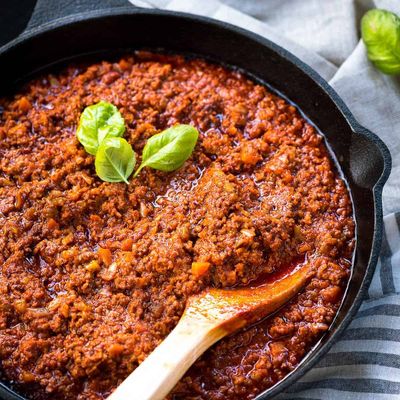
True ragu demands patience, precision, and respect for the process. Ground beef (or a beef and pork mix) browns deeply in batches to build caramelization without steaming. Aromatic vegetables soften slowly until sweet. Tomato paste darkens and concentrates its flavor through caramelization. Red wine deglazes and cooks off. Then comes the long, gentle simmer, 1 hour 45 minutes to 2 hours, where flavors meld and deepen into something far greater than the sum of its parts. This is not a quick sauce; it is an investment in excellence.
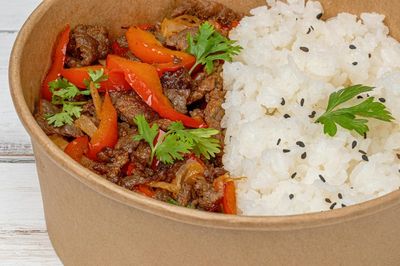
This fast, easy, and delicious supper showcases how Chinese five-spice powder flavours an entire dish via a marinade approach. Overnight marination develops deep, complex flavours that distinguish this simple stir-fry from quickly-thrown-together meals. The combination of Sichuan pepper's numbing quality with five-spice complexity creates an unforgettable sauce.
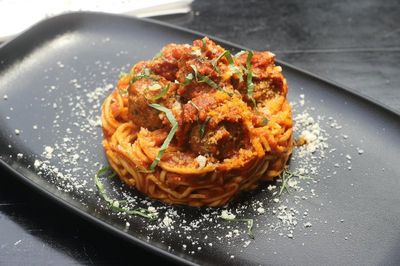
Beef meatballs represent the heart of Italian home cooking, simple ingredients transformed through technique into something greater than their parts. Lemon zest and fresh herbs brighten the earthy beef, while coating in seasoned flour creates a golden crust that protects the tender interior. A wine-enriched sauce catches every drop of savory liquid. This is pure comfort.
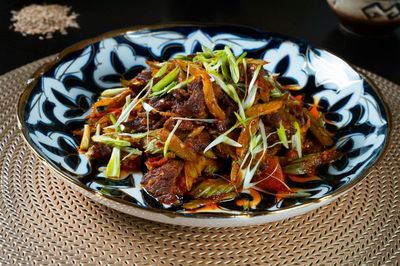
On Thai menus this is often called ‘pad nam mun hoy’, which means fried with oyster sauce. There are many versions of Thai oyster sauce curries, but this beef version is right up there when it comes to popularity. Stir-fried beef in oyster sauce usually also comes served with mushrooms and my favourite variety for this recipe are straw mushrooms, but you could use any type you can find, wild mushrooms work really well. Serve with a hot bowl of jasmine rice.
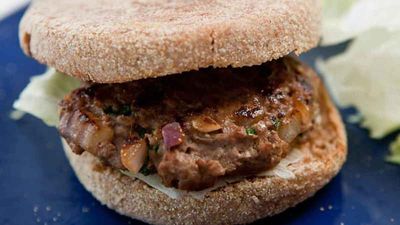
A burger that eats with a Himalayan accent rather than a Western one. The seasoning is essentially momo filling: soy sauce, grated ginger, grated garlic, spring onion, white onion, ground Sichuan pepper (emma), salt, black pepper. No tomato, no smoked paprika, no Cajun spice, the flavour is clean, savoury, faintly numbing on the back of the tongue from the emma. Lighter and more delicate than a typical beef burger; the mince is loose because it isn't bound with breadcrumb or egg, so the patty stays juicy on the inside even when the surface chars. Smell: ginger and soy hitting hot iron. Easy weeknight cooking, the only meaningful step is letting the seasoned mince rest for 15 minutes (or longer) so the soy and aromatics permeate. The dish was created by the YoWangdu kitchen as a fusion that fits the momo flavour into the Western lunch format; sepen (Tibetan tomato hot sauce) on top is how it goes from good to actually Tibetan.