Aussie Burger with Beetroot

Aussie Burger with Beetroot

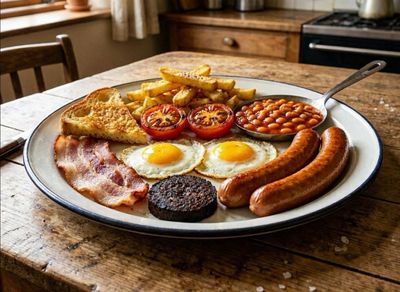
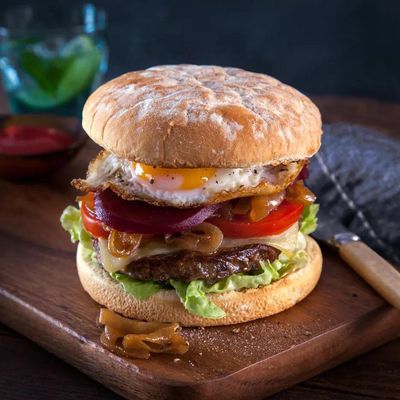
The Aussie burger, sometimes called "the lot", is a milk-bar institution that emerged in Australia in the mid-twentieth century when European immigrants and returning soldiers reshaped the corner takeaway. What distinguishes it from any American or British burger is the insistence on tinned pickled beetroot, a slice of canned pineapple, a fried egg and rashers of streaky bacon, all stacked under a thick beef patty on a toasted bun. The beetroot is non-negotiable: it stains the bread, it stains your fingers, it leaks down your wrist, and it is the entire point. The combination sounds chaotic but works because each layer plays a clear role: sweet pineapple against salty bacon, earthy beetroot against rich egg yolk, sharp tomato chutney cutting through melted cheese. The patty itself is generously sized, hand-shaped, and seasoned simply so the toppings can do the talking. Difficulty is low; the only real skill is timing several pans at once so the egg, bacon and patty all arrive hot together. This is not delicate food. It is built to be eaten leaning forward over a paper wrapper with napkins and a cold drink. Serve it at a backyard barbecue and watch grown adults negotiate the architecture of the bite.
Australian 40 minutes Serves4
Boerewors

Boerewors

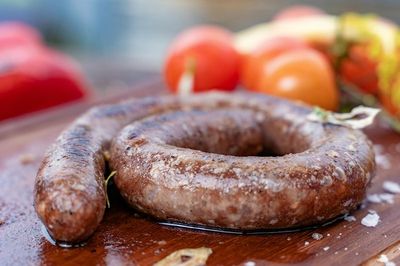
Boerewors, literally "farmer's sausage" in Afrikaans, is the national sausage of South Africa and the obligatory centrepiece of any braai. South African law actually defines it: minimum 90 per cent meat (beef the dominant component, often with pork or lamb for fat), no more than 30 per cent fat overall, no offal, and a defined spice profile led by toasted ground coriander. That coriander is the signature; combined with clove, nutmeg, allspice and black pepper, and brought together with a splash of malt or brown vinegar, it produces a flavour quite unlike any European sausage. The sausage is always coiled rather than linked, and grilled in a single long spiral that can be turned in one piece with a pair of long forks. Difficulty for the home cook is very low if you can buy ready-made boerewors from a South African butcher, deli or online supplier, which is the practical route for most. Making it from scratch needs a meat grinder and sausage stuffer but the spicing is straightforward. Cooking is the part everyone gets wrong: boerewors is a coarse-ground sausage with chunks of fat in the meat, and it cooks at medium heat, never high. Too hot and the casing splits, fat renders out and the sausage shrivels; just right and it stays plump, juicy, with a deep mahogany crust. The classic accompaniments are pap (a stiff white maize porridge), tomato-and-onion relish (sous), or stuffed into a fresh bread roll with tomato chutney and crispy fried onions as a boerie roll.

South African 35 minutes Serves6
Cataplana de Marisco

Cataplana de Marisco

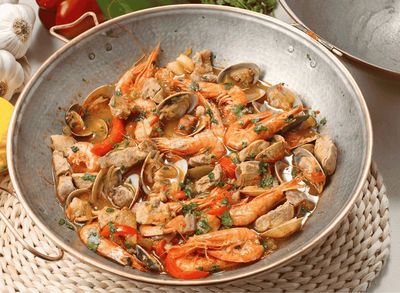
A cataplana is a hinged copper clamshell pan, and the seafood stew named after it is one of those dishes where the cookware does the work. You build a base of onions, peppers, sliced chouriço, smoked paprika, tomato and white wine in the bottom of the cataplana, then layer clams, mussels, prawns and chunks of firm white fish on top, clamp the lid shut, and steam it all for less than ten minutes. The lid lifts at the table to release a cloud of paprika-and-wine-scented steam, which is the entire point of the dish. If you do not have a cataplana, any wide pan with a tight lid does the same job. Coriander and lemon at the end, crusty bread for the broth, and vinho verde for everything else.

Portuguese 55 minutes Serves4
Jambalaya

Jambalaya

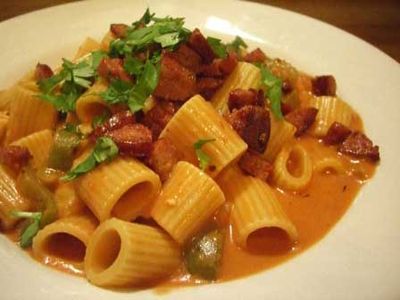
A modern pasta-twist on the Cajun one-pot classic, swapping the traditional rice for penne but keeping the layered Louisiana flavour intact. You brown andouille sausage hard in a heavy pot to render its smoky fat, then add chicken pieces and cook them through in the same fat. The Cajun trinity (onion, celery and sweet pepper) softens in next, Cajun seasoning blooms in the heat, and a tomato base goes in with cream to build a sauce that's rich, smoky and just-spicy. Cooked pasta tosses through at the end, with prawns going in for the last few minutes so they stay tender. Eaten in deep bowls with parsley scattered over and hot sauce on the table for whoever wants more heat. New Orleans rules adapted to a Tuesday-night kitchen.

Cajun 42 minutes Serves4
Lentejas Chilenas

Lentejas Chilenas

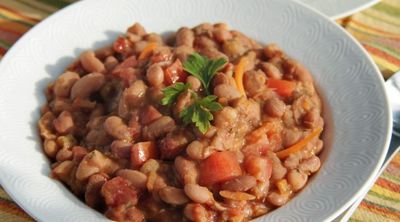
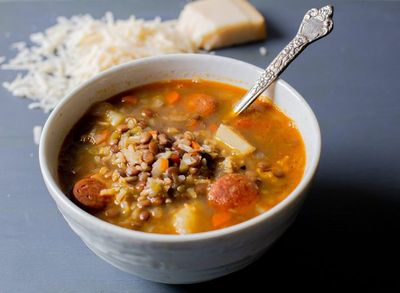
A Chilean lentil stew, the kind of one-pot that turns up at any Sunday lunch through autumn and winter. You render smoked bacon in a heavy pot until the fat runs clear, then soften onion, garlic and carrot in the rendered bacon fat. Tomato and a generous scatter of dried oregano build the base. Green or brown lentils go in with stock and simmer for forty-five minutes until tender. Potato chunks join for the last twenty minutes. A splash of red wine vinegar at the end brightens the whole stew and pushes it from heavy to balanced. Eaten with crusty bread, a chopped salad on the side, and a glass of red.

Sides 1 hour 30 minutes Serves4
Restaurant-Style Ragù

Restaurant-Style Ragù

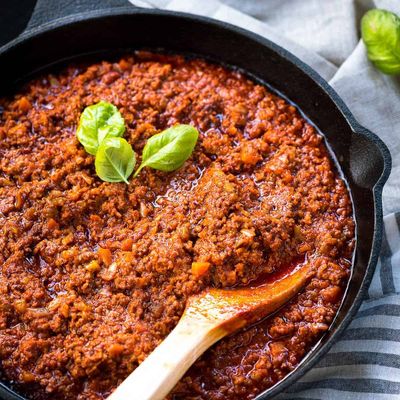
True ragu demands patience, precision, and respect for the process. Ground beef (or a beef and pork mix) browns deeply in batches to build caramelization without steaming. Aromatic vegetables soften slowly until sweet. Tomato paste darkens and concentrates its flavor through caramelization. Red wine deglazes and cooks off. Then comes the long, gentle simmer, 1 hour 45 minutes to 2 hours, where flavors meld and deepen into something far greater than the sum of its parts. This is not a quick sauce; it is an investment in excellence.

Italian 24 minutes Serves4