In season

May produce

Tap any item to find recipes that use it.

Aroog

Aroog

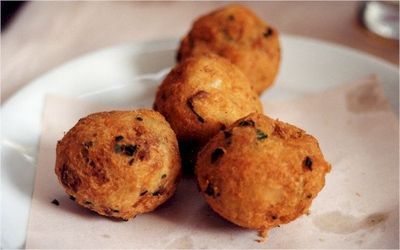
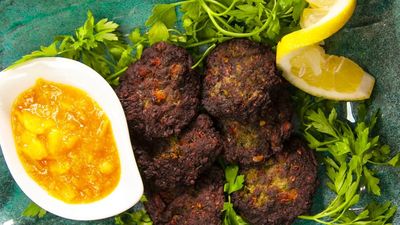
Fine bulgur (#1 grade) soaks in hot water until soft and fluffy. Lamb or beef mince mixes with the bulgur, grated onion, lots of chopped parsley and coriander, ground baharat, cumin and a pinch of cinnamon. The mixture should be soft enough to spread, if it's too dry the aroog crumble. Small portions press onto a hot oiled pan and flatten to 1 cm thick discs; cook for 4-5 minutes per side over medium heat until deeply browned and the meat is just cooked through. Lift, drain briefly, eat hot with lemon and yoghurt.

Snacks 1 hour 20 minutes Serves4
Ash Reshteh

Ash Reshteh

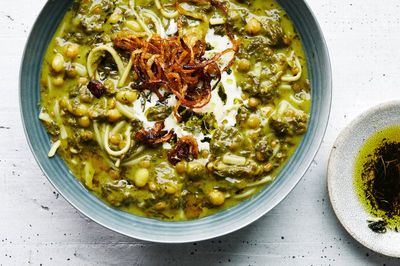
Dried beans (chickpeas + kidney beans + green lentils, OR the popular cheat of mixing all dried into one pot) soak overnight. Onion fries in oil; turmeric, salt and the soaked-and-drained beans go in with stock; simmers for 1 hour 15 minutes until tender. A heaping double handful of finely chopped fresh herbs (parsley, coriander, dill plus blanched spinach) goes in. Reshteh noodles (Persian flat egg noodles, sold at Iranian shops) add for the last 10 minutes. The bowl finishes with a sour-fermented kashk drizzle, dried-mint-and-garlic-in-oil sizzle, deep-fried golden onion, and a swirl of yogurt. Garnishes are not optional.

Persian 2 hours 10 minutes Serves6
Austrian Goulash

Austrian Goulash

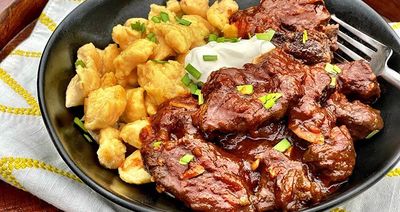
The Viennese answer to its Hungarian cousin: slower, deeper, almost spoonable, the gravy as dark as treacle from hours of careful reduction rather than from any thickener. The defining technique is a one-to-one ratio of onion to beef by weight, which sounds wrong until you taste what it does. The onions cook down to a sweet, brown, almost-marmalade paste before the paprika and meat ever join them, and that paste is the body of the sauce. You use beef shin or chuck and simmer it very slowly in this paprika-onion base with stock, garlic, marjoram, caraway, vinegar and tomato until the gravy clings to every cube. Lard is the right fat. No flour. No quick fixes. Serve with bread dumplings (Semmelknödel), spätzle or thick slices of dark rye, and pickled cucumbers on the side to cut the richness. A bowl that warms you from the centre out on a winter night.

Austrian 2 hours 50 minutes Serves4-6
Bessara

Bessara

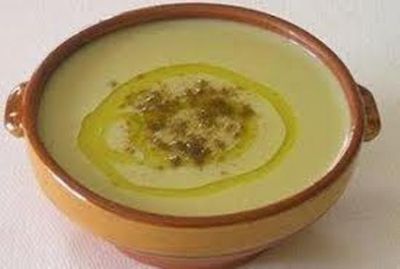
Dried split fava beans (foul mudammas) soak overnight with bicarbonate of soda. Simmer with garlic, bay, coriander seeds and water for 1 hour until completely soft. Blitzed (or mashed) with garlic, ground cumin, ground coriander, salt and lemon juice into a thick spoonable purée, looser than hummus but thicker than soup. Plated in a wide shallow bowl: a swirl in the centre, doused with the green oil (olive oil + paprika + cumin + chopped parsley), maybe a sprinkle of dukkah on top, served warm with hot baladi bread.

Snacks 1 hour 30 minutes Serves4
Bunjay-Style Curry Chicken

Bunjay-Style Curry Chicken

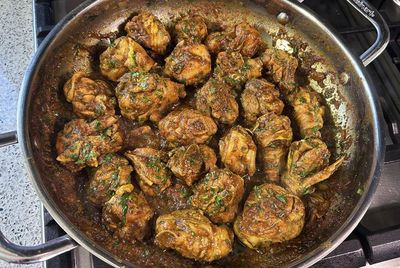
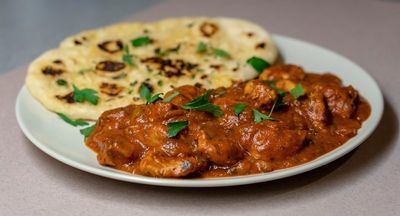
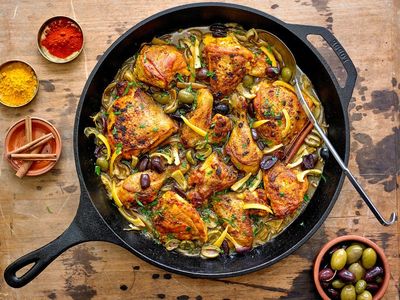
A dry curry rather than a saucy one, "bunjay" is Trinidadian patois for "fry-down", the technique of cooking meat in its own juices until the gravy completely disappears and the spices coat the surface of the meat in a sticky, glaze-like crust. The flavour is concentrated rather than diluted; nothing's been thinned with water or coconut milk, so what you taste is bone-in chicken, rendered chicken fat, and toasted spice. The spice mix is the East Indian Trinidadian signature: turmeric for colour and earth, roasted geera (toasted cumin, ground) for nuttiness, anchar masala for tang, regular curry powder for breadth. The pan oil splits and separates around the chicken at the end, which is the visual cue you're looking for. Smell when the curry powder hits hot oil is deeply aromatic, almost incense-like. Not difficult but it requires attention during the cook-down phase; if you walk away the curry burns onto the bottom of the pan. A Trinidadian household staple, eaten across the country with white rice and dhal, and a clean example of how Indian indentured labourers' descendants in the Caribbean evolved a distinct curry tradition over 150 years.
Trinidadian 2 hours 50 minutes Serves6
Charcoal Chicken Shop Chicken Skewers

Charcoal Chicken Shop Chicken Skewers

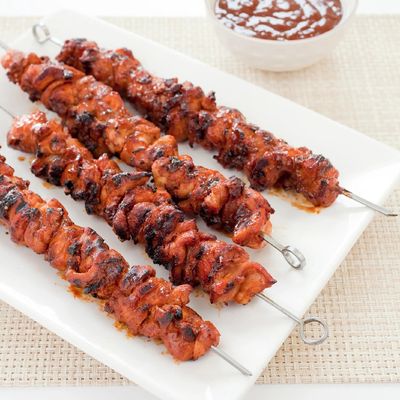
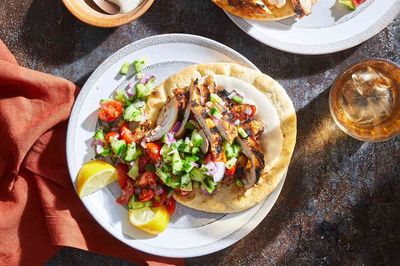
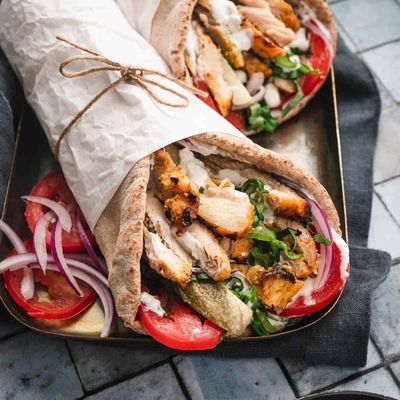
The flavour you'd get at a Melbourne charcoal-chicken takeaway, distilled into something you can run at home with a heavy pan instead of a rotisserie. You build a mostly-dry rub from the pantry: garlic powder, onion powder, sweet paprika, mustard powder, dried oregano, and a small amount of curry powder for the warmth that defines suburban-Australian charcoal-chicken shops. The rub wets out with olive oil and a generous squeeze of lemon, and the chicken thighs go in to marinate for twelve to twenty-four hours so the salt and spices penetrate properly. Thread onto skewers, sear hot in batches, rest briefly under foil so the juices settle. The lemon at the table is non-negotiable. Serve with warm flatbread, a chopped salad and a garlic-yogurt or hummus on the side, the kind of plate that arrives wrapped in butcher's paper at the takeaway.

Australian 24 hours 35 minutes Serves4-5
Dolma (Azerbaijani Stuffed Vine Leaves)

Dolma (Azerbaijani Stuffed Vine Leaves)

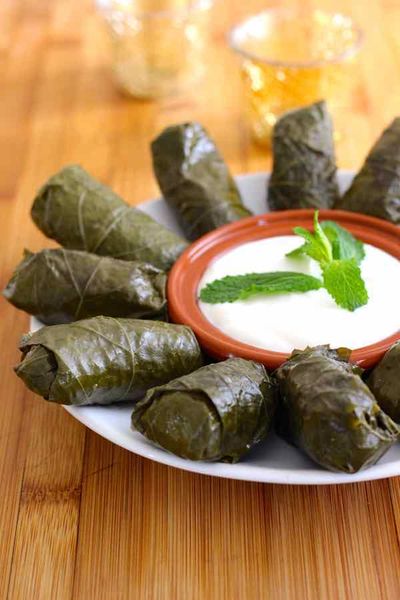
Azerbaijan's stuffed vine leaves, claimed as the national dish in 2017 and added to UNESCO's list of Intangible Cultural Heritage. You start by soaking brined vine leaves in warm water for twenty minutes to leach out the salt, then build a filling of raw lamb mince with rinsed short-grain rice, finely chopped onion, fresh mint and dill, butter, salt and pepper. Each leaf gets a teaspoon of filling and rolls into a tight cigar. The rolls pack in a single layer in a heavy pot, then a second and third layer perpendicular to the first, like a brickwork pattern that holds them together as they cook. Stock and a splash of sumac water pour in to barely cover, an inverted plate weighs everything down so the dolma keep their shape, and the lot simmers slowly for fifty minutes. Plated on a platter with thick garlic yogurt alongside for dipping.

Azerbaijan 2 hours Serves6
Doro Wat

Doro Wat

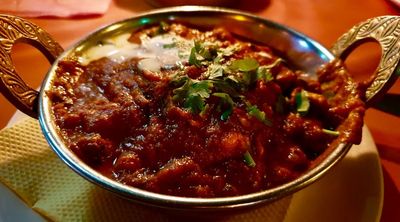
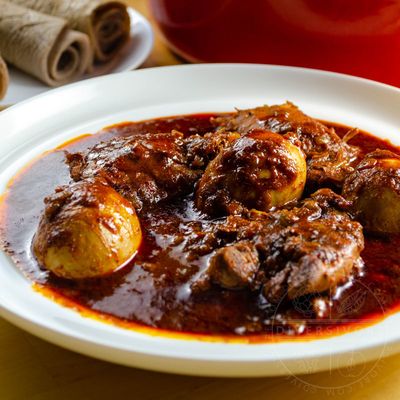
Ethiopia's national dish, the spiced chicken stew that turns up at every wedding, Easter feast and Christmas table, and the one dish a cook is judged on. The foundation is the onion - you cook it down slowly for nearly an hour into a deep dark base, and this is the step that decides whether the wat is great or merely acceptable. Berbere (the Ethiopian spice blend of chilli, fenugreek, ginger and a dozen others) and niter kibbeh (spiced clarified butter, the dish's defining fat) fold in. Chicken thighs and legs simmer in the deep red sauce, and hard-boiled eggs join late, scored with a knife so they take on the colour and the flavour. Eaten communally from a single platter, with injera flatbread torn into pieces to scoop the stew. No cutlery, no individual plates, hands clean before the meal.

Ethiopian 2 hours Serves4-6
← Prev Page 1 of 5 Next →