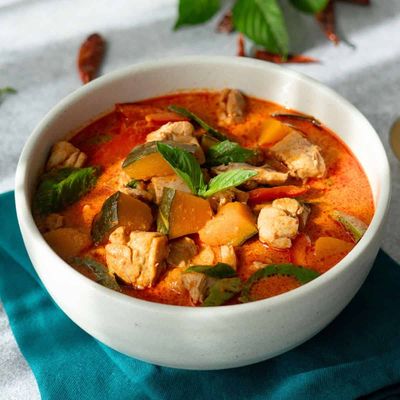
Building a Thai Curry: Worked Example
Before you start, you need: 1. A jar of [green curry paste](green.md) (home-made or shop-bought). 2. A tin of full-fat coconut milk. 3. The protein, vegetables and finishing ingredients listed below.
A course on Thai curry pastes: green, red, yellow, massaman, panang. The system that makes Thai curry-house cooking possible, with coconut-milk technique and a worked example.
Before you start, you need: 1. A jar of [green curry paste](green.md) (home-made or shop-bought). 2. A tin of full-fat coconut milk. 3. The protein, vegetables and finishing ingredients listed below.
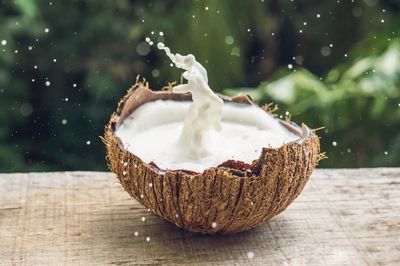
Most home cooks make Thai curry by pouring coconut milk into a pan, stirring in the paste, and adding the protein. The result is a flat, slightly greasy curry that tastes like the paste mixed with coconut soup. Restaurant-quality curry uses a different approach: the coconut milk is fractionated, the paste is fried in the rich cream layer, and only then does the rest of the coconut go in.
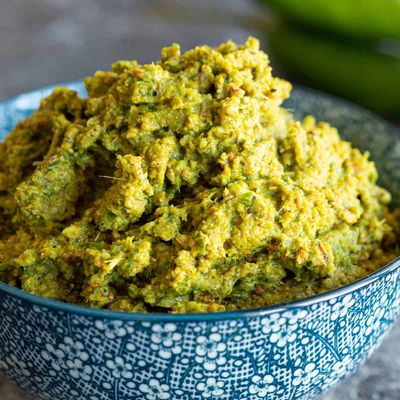
Green curry (gaeng keow wan: "sweet green curry") is the Thai curry most foreigners try first and most home cooks attempt to replicate. The colour comes entirely from fresh green chillies; the brightness from coriander roots and kaffir lime; the depth from lemongrass, galangal, garlic and shallots; the umami underpinning from a small amount of fermented shrimp paste.
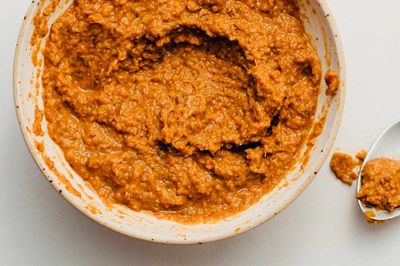
Massaman (kaeng matsaman, "Muslim curry") arrived in southern Thailand from Persian-Muslim traders in the 17th century. The paste blends Thai aromatics (lemongrass, galangal, shallots, garlic) with classical Persian/Indian whole spices (cardamom, cinnamon, cloves, star anise, nutmeg, mace). The result is unlike any other Thai curry: deep, warm-spiced, almost-Indian in profile but with the unmistakable Thai underpinnings of fish sauce, palm sugar, lime and coconut.
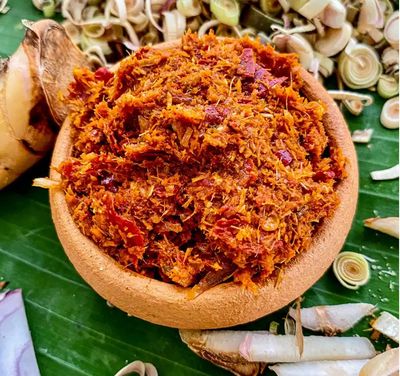
Panang is technically a variation of red curry: most of the same aromatic base (lemongrass, galangal, garlic, shallot, dried red chillies, shrimp paste) plus crushed roasted peanuts and a slightly heavier hand with the dried spices. The differences from red curry are subtle but consistent.
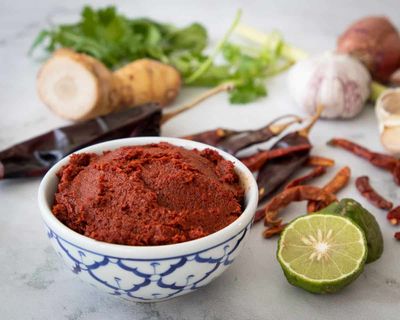
Red curry paste (prik gaeng phet) substitutes dried red chillies for the fresh green chillies of green curry. The dried chillies bring a deeper, more brick-red flavour and colour; they're slightly less hot per gram than fresh bird's-eyes, but a typical red curry paste uses more of them, so the finished heat is comparable.
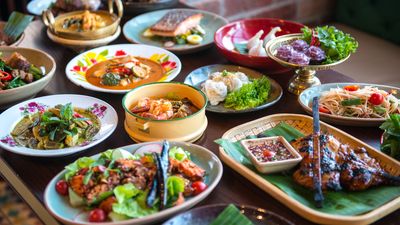
Thai curry runs on pastes the way BIR curry runs on base gravy. A curry paste is a pounded blend of fresh aromatics (lemongrass, galangal, kaffir lime, garlic, shallot) plus dried spices (coriander, cumin, white pepper) plus chillies (fresh for green; dried for red, yellow, massaman). Each paste has its own signature; together they cover almost every named Thai curry on a restaurant menu.
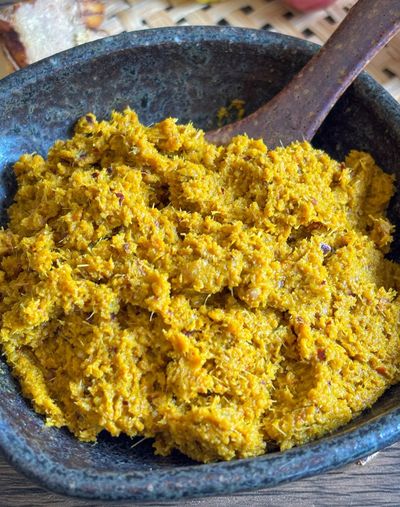
Yellow curry (gaeng karee or kaeng kari) shows the Indian influence on Thai cuisine. The southern Thai provinces near the Malay border picked up turmeric, cumin and coriander from Indian traders centuries ago and folded them into a Thai paste structure. The result is sweeter, milder, and more spice-warm than green or red.