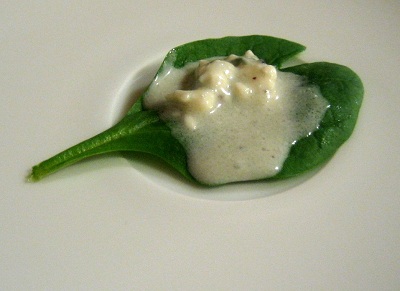
Roquefort Vinaigrette
A Roquefort vinaigrette: crumbled blue cheese whisked into olive oil, walnut oil, sherry vinegar and a touch of Dijon.
Overview
Roquefort vinaigrette showcases how blue cheese can anchor a dressing with umami depth and complexity. The combination of walnut oil (bringing subtle earthiness), tarragon vinegar (adding herbal notes), and Worcestershire sauce (contributing fermented depth) creates a winter dressing of considerable character. This is not a delicate vinaigrette for tender greens but rather an assertive accompaniment for robust lettuces and bitter vegetables that match its personality.
Ingredients
Oils & Acid
- 3 tablespoons walnut oil
- 3 tablespoons sunflower oil
- 2 tablespoons tarragon vinegar
Cheese & Seasonings
- 50 grams Roquefort cheese (crumbled)
- 1 teaspoon fresh tarragon leaves (snipped) or ½ teaspoon dried
- 2-3 dashes Worcestershire sauce (to taste)
- Fine sea salt and freshly ground black pepper (to taste)
Method
Stage 1 - Combine Vinegar & Tarragon
- Pour 2 tablespoons tarragon vinegar into a small bowl.
- Add 1 teaspoon fresh tarragon leaves (snipped) or ½ teaspoon dried.
- Allow to infuse for 2-3 minutes to develop tarragon character.
Stage 2 - Combine Oils
- Add 3 tablespoons walnut oil and 3 tablespoons sunflower oil to the vinegar mixture.
- Whisk vigorously for 1-2 minutes to emulsify slightly.
- The oils will begin to incorporate with the acidic vinegar.
Stage 3 - Add Roquefort
- Add 50 grams crumbled Roquefort cheese to the oil-vinegar mixture.
- Whisk thoroughly, breaking up the cheese crumbles as you whisk.
- The cheese will partially dissolve, creating a creamy texture, while some crumbles may remain visible.
- Continue whisking for 1-2 minutes until well combined.
Stage 4 - Season & Taste
- Add 2-3 dashes Worcestershire sauce; whisk to combine.
- Add pinch of fine sea salt and pinch of freshly ground black pepper.
- Whisk once more.
- Taste on a piece of bitter green or cooked bean.
- The dressing should taste assertively of blue cheese with herbal notes from tarragon and subtle fermented depth from Worcestershire.
- Adjust Worcestershire, salt, or pepper as desired.
Notes
- Walnut Oil Essential: This nutty oil pairs beautifully with blue cheese; don't substitute without consideration.
- Roquefort Character: This is a pungent, assertive cheese; milder blue cheeses (Gorgonzola) will create different character.
- Tarragon Vinegar Herbal: The herbal notes complement the cheese; regular wine vinegar is a poor substitute.
- Worcestershire Subtle: Just a few dashes add fermented depth without announcing themselves; adjust carefully.
- Emulsification Incomplete: Unlike basic vinaigrettes, this won't fully emulsify due to cheese content; some separation is normal.
- Robust Greens Only: This dressing will overwhelm delicate lettuces; use with sturdy, bitter greens.
Variations
Without Worcestershire: Omit for cleaner blue cheese flavor. Extra Tarragon: Add ½ teaspoon additional tarragon for herbaceous emphasis. Milder Cheese: Replace Roquefort with Gorgonzola for slightly less assertive character. With Candied Walnuts: Serve alongside candied walnuts for sweetness balance. Extra Tangy: Add 1 additional tablespoon tarragon vinegar for more acidity.
Serving
Use with: Bitter winter lettuces (radicchio, endive, frisée), warm French beans, watercress, grilled vegetables, roasted beets Dressing ratio: 2-3 tablespoons per serving Temperature: Room temperature Timing: Dress just before serving to prevent lettuces wilting
Storage
- Refrigerate in sealed glass jar for up to 3-4 days
- Dressing will separate and cheese may settle; shake or whisk before serving
- Best consumed within 1-2 days for maximum cheese character
- Do not freeze; separation becomes permanent
- Fresher is better; flavor clarity decreases after 3-4 days
This bold, distinctive dressing combines pungent blue cheese with the subtle nuttiness of walnut oil. It's particularly good with bitter winter leaves or crisply cooked warm French beans where its assertive character finds perfect balance.
More like this
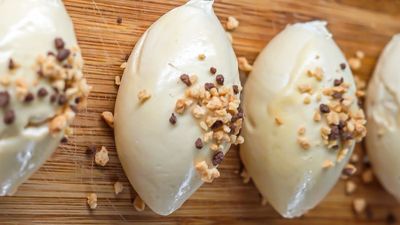
Mascarpone with Dates and Candied Peel
An elegant and simple Italian dessert of candied fruit and dates folded into luxurious mascarpone cream, shaped into a quenelle and served with crème anglaise and candied fruit garnish. This sophisticated yet straightforward dessert celebrates the natural sweetness of dates and the richness of mascarpone without unnecessary complication.
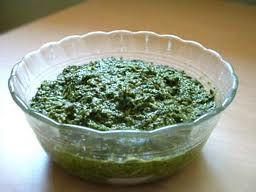
Pesto
Pesto represents the height of simplicity: five ingredients (basil, garlic, pine nuts, olive oil, Parmesan) combined to create a sauce of profound flavor and silky texture. The key to successful pesto lies in ingredient quality and processing technique. Fresh, fragrant basil is non-negotiable; aged or heat-stressed basil creates harsh, off-flavored results. Pine nuts must be fresh (rancid pine nuts ruin pesto instantly). Garlic should be mild and rounded by the pesto's other elements. Parmesan must be freshly grated; pre-grated cheese creates a grainy, inferior result. Traditional pesto is made by mortar and pestle, which bruises rather than cuts the basil, preserving its vibrant green color and fresh character. Modern food processors work adequately but can create a less vibrant result if over-processed.

Half-Moon Shaped Sweet Pasta Filled with Candied Fruit
A festive Neapolitan specialty of delicate fried pasta half-moons filled with sweet ricotta, candied fruit, and almonds. These charming little pastries epitomize Italian Easter celebrations and can be served either as an elegant petit four or a light dessert, dusted generously with powdered sugar for a snow-like finish.
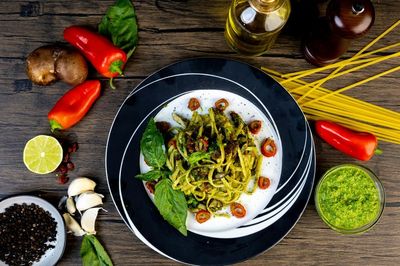
Linguine with Genovese Basil Pesto
True pesto is made by hand, not blended, but a food processor creates acceptable results efficiently. The beauty of pesto lies in the balance: each ingredient must be the highest quality. The basil must be fresh, the pine nuts toasted, the oil fruity but not aggressive, the Parmesan aged. Together they create something transcendent.