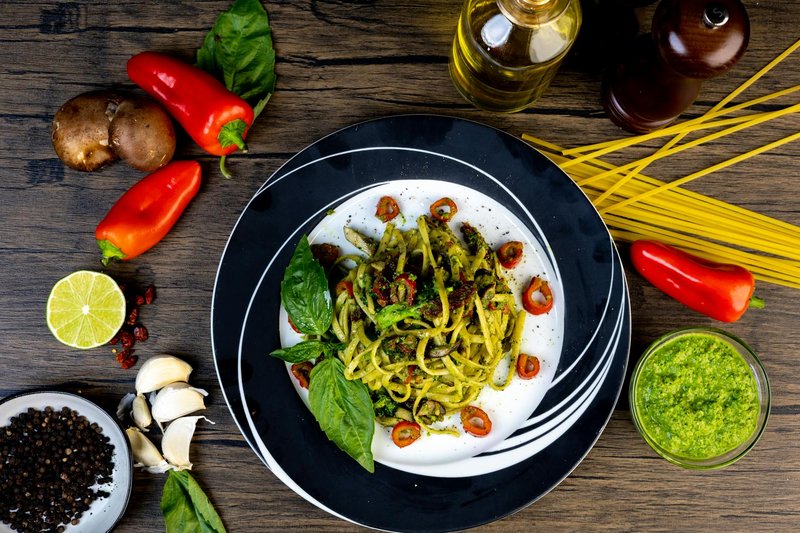
Linguine with Genovese Basil Pesto
Linguine al pesto Genovese, one of Italy's most iconic sauces paired with delicate linguine. This is summer on a plate: raw basil, toasted pine nuts, fruity olive oil, and aged Parmesan. Absolutely nothing more is needed. Serve with fresh warm bread and crisp white wine.
Overview
True pesto is made by hand, not blended, but a food processor creates acceptable results efficiently. The beauty of pesto lies in the balance: each ingredient must be the highest quality. The basil must be fresh, the pine nuts toasted, the oil fruity but not aggressive, the Parmesan aged. Together they create something transcendent.
Ingredients
Pesto
- 50 grams fresh basil leaves (only the leaves, not stems)
- 50 grams pine nuts
- 1 garlic clove (peeled)
- 130 ml extra virgin olive oil
- 25 grams Parmesan cheese (freshly grated)
- salt
- pepper
Pasta
- 500 grams linguine
Method
Stage 1 - Make Pesto
- Place basil leaves, pine nuts, and garlic in a food processor.
- Drizzle in the oil and purée to a smooth paste.
- Transfer the basil mixture into a large bowl.
- Fold in the Parmesan gently.
- Season with a little salt and pepper to taste.
Stage 2 - Cook Pasta
- Cook linguine in a large saucepan of boiling salted water until al dente.
Stage 3 - Combine & Serve
- Drain pasta and tip into the bowl with pesto.
- Toss everything together for 30 seconds to allow pesto to coat pasta evenly.
- Serve immediately in warmed bowls.
Notes
- Basil Quality: Genovese basil from the Liguria region is finest, but use the freshest available locally during peak season.
- Pine Nuts: Freshness matters tremendously; rancid nuts ruin the dish. Toast lightly before using.
- Temperature: Pesto should remain cool; adding it to hot pasta cooks it slightly, darkening color and muting flavor, but this is traditional.
- Minimal Processing: Use a food processor briefly; over-processing creates a paste rather than a sauce.
Variations
Walnut Pesto: Substitute toasted walnuts for pine nuts for earthier flavor and lower cost. With Cream: Fold 50ml double cream into the pesto for richness.
Serving
Serve with: Fresh warm bread and a glass of dry white wine (Vermentino or Sauvignon Blanc) Garnish with: Extra basil leaves and Parmesan shavings
Storage
- Best eaten immediately after preparation
- Pesto can be stored refrigerated for 3-4 days in an airtight container with plastic wrap pressed onto surface to prevent browning
- Freeze successfully in ice cube trays for up to 3 months (thaw gently before using)
More like this
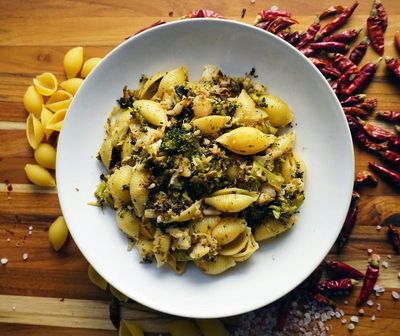
Pasta Shells with Sprouting Broccoli, Chilli, and Pine Nuts
This simple vegetarian dish relies on technique and proper timing to shine. Tender sprouting broccoli is stir-fried with garlic, toasted pine nuts, and a hint of chilli. A splash of white wine adds acidity and complexity. The broccoli must stay al dente, retaining bite and bright green color. Shell pasta combines beautifully with this light style sauce.
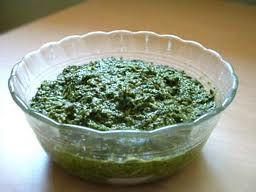
Pesto
Pesto represents the height of simplicity: five ingredients (basil, garlic, pine nuts, olive oil, Parmesan) combined to create a sauce of profound flavor and silky texture. The key to successful pesto lies in ingredient quality and processing technique. Fresh, fragrant basil is non-negotiable; aged or heat-stressed basil creates harsh, off-flavored results. Pine nuts must be fresh (rancid pine nuts ruin pesto instantly). Garlic should be mild and rounded by the pesto's other elements. Parmesan must be freshly grated; pre-grated cheese creates a grainy, inferior result. Traditional pesto is made by mortar and pestle, which bruises rather than cuts the basil, preserving its vibrant green color and fresh character. Modern food processors work adequately but can create a less vibrant result if over-processed.
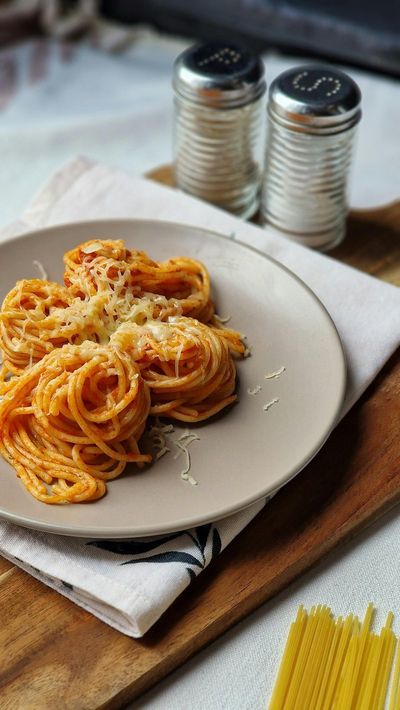
Spaghetti with Ricotta Cheese and Toasted Pine Nuts
This is pasta in its most elegant minimalist form. Ricotta cheese, warmed by fresh pasta and enriched with good olive oil, becomes a delicate sauce that clings to each strand. Toasted pine nuts add textural contrast and subtle sweetness, while sun-dried tomatoes provide concentrated flavor and color. The dish is perfect year-round as a simple first course or light main.
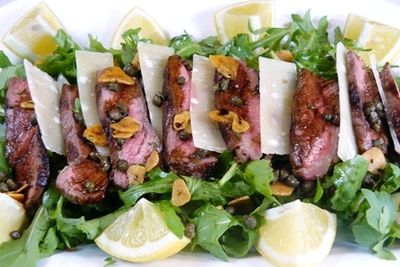
Beef Tagliata
Beef Tagliata is an elegant simplicity itself: thick-cut sirloin seared until a golden crust forms, rested to retain its juices, then sliced thin. The accompanying rosemary-infused oil with lemon zest and juice creates a sophisticated dressing that adds depth without heaviness, while peppery rocket and Parmesan shavings provide textural contrast. This is a dish that celebrates the quality of the beef and the importance of proper technique.