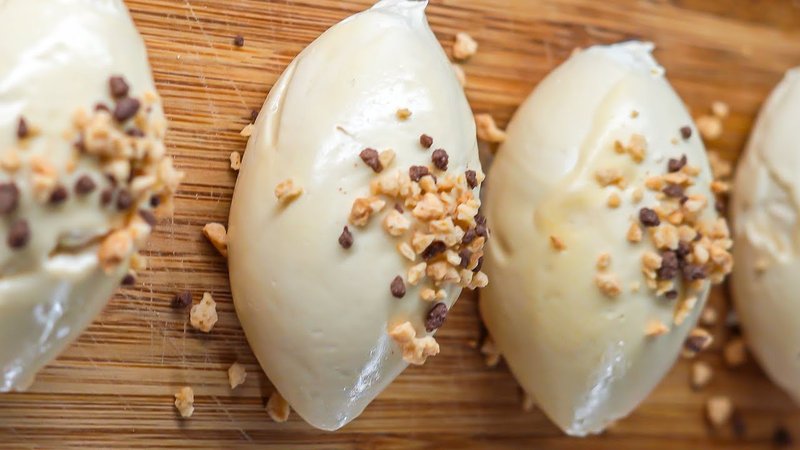
Mascarpone with Dates and Candied Peel
This simple dessert takes only minutes to assemble. A few turns of the pepper mill over the quenelle makes this dessert triumphant.
Ingredients
- 120 grams Candied fruit peel (preferably grapefruit)
- 4 dates
- 200 grams mascarpone cheese
- 200 ml whipping cream
- 200 ml Crème anglaise (preferably pistachio)
Overview
An elegant and simple Italian dessert of candied fruit and dates folded into luxurious mascarpone cream, shaped into a quenelle and served with crème anglaise and candied fruit garnish. This sophisticated yet straightforward dessert celebrates the natural sweetness of dates and the richness of mascarpone without unnecessary complication.
Method
- Cut the candied grapefruit peel strips into large dice.
- Quarter and stone the dates. Set aside 4 date quarters and a spoonful of the candied peel for decoration. Dice the rest of the dates.
- Put the mascarpone into a large bowl. In another bowl, whip the cream to a ribbon consistency, then fold into the mascarpone using a rubber spatula.
- Now fold in the diced dates and candied fruit, without overworking.
- Using 2 large spoons dipped in hot water, shape a quenelle from the mascarpone mixture and place on an individual plate.
- Repeat for the other 3 servings. Decorate with the reserved date pieces and candied fruit.
- Pour a little Crème anglaise around each quenelle and serve chilled.
Notes
- Mascarpone should be at room temperature when whipping with cream; cold mascarpone can become grainy and thick rather than creamy
- The whipped cream should reach ribbon consistency only (slightly thickened but still pourable); overwhipping causes graininess and density
- Using a quenelle shape (two hot spoons) creates an elegant presentation; dipping the spoons in hot water between each quenelle ensures clean shape
- The candied citrus peel adds beautiful color and textural contrast; grapefruit peel has particularly elegant bitter-sweet flavor
Serving
Shape and place the mascarpone quenelle on the plate, scatter reserved candied fruit and date pieces decoratively, and pour a thin ring of crème anglaise around the base. Serve immediately, showing appreciation for the simplicity and quality of ingredients.
Storage
The mascarpone cream mixture can be prepared several hours ahead and kept refrigerated, covered. Shape and serve the quenelle no more than 20-30 minutes before serving to maintain its definition; warmer rooms cause it to soften and lose shape. The candied fruit and dates can be prepared 1 day ahead.
More like this
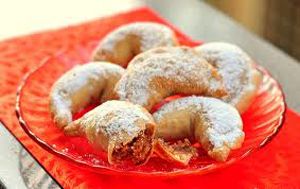
Half-Moon Shaped Sweet Pasta Filled with Candied Fruit
A festive Neapolitan specialty of delicate fried pasta half-moons filled with sweet ricotta, candied fruit, and almonds. These charming little pastries epitomize Italian Easter celebrations and can be served either as an elegant petit four or a light dessert, dusted generously with powdered sugar for a snow-like finish.
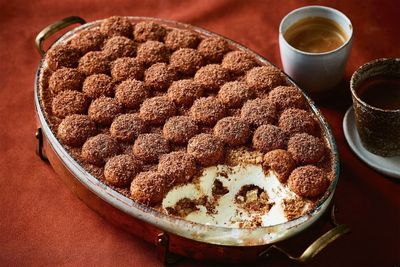
Tiramisu with Amaretto and Cream
The iconic Italian dessert of coffee-soaked Savoiardi biscuits layered with a light mascarpone cream enriched with whipped cream and Amaretto liqueur, finished with a dusting of cocoa powder. This no-bake elegant dessert delivers coffee flavor, textural contrast, and the satisfaction of an assembled-to-order presentation rather than baked creation.
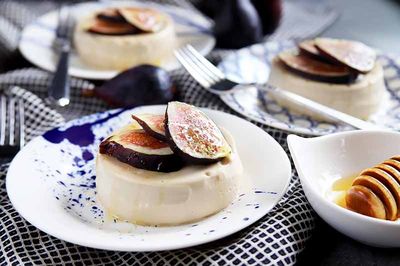
Fig and Honey Panna Cotta
An elegant pannacotta infused with vanilla and sweetened with honey rather than sugar, studded with fresh fig slices visible through the creamy custard in its serving vessel. This refined Italian dessert celebrates the delicate tartness of figs paired with the subtle, complex sweetness of honey rather than refined sugar.
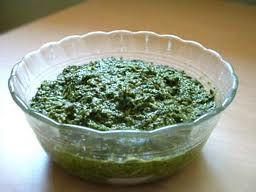
Pesto
Pesto represents the height of simplicity: five ingredients (basil, garlic, pine nuts, olive oil, Parmesan) combined to create a sauce of profound flavor and silky texture. The key to successful pesto lies in ingredient quality and processing technique. Fresh, fragrant basil is non-negotiable; aged or heat-stressed basil creates harsh, off-flavored results. Pine nuts must be fresh (rancid pine nuts ruin pesto instantly). Garlic should be mild and rounded by the pesto's other elements. Parmesan must be freshly grated; pre-grated cheese creates a grainy, inferior result. Traditional pesto is made by mortar and pestle, which bruises rather than cuts the basil, preserving its vibrant green color and fresh character. Modern food processors work adequately but can create a less vibrant result if over-processed.