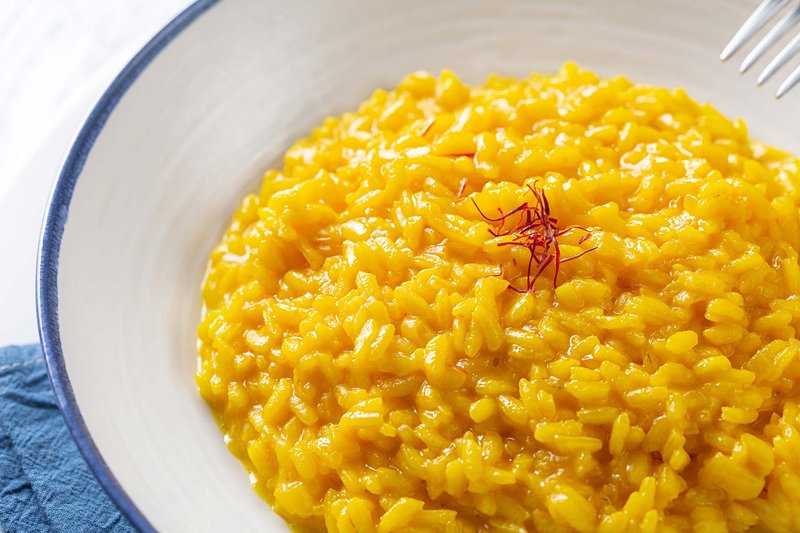
Risotto Alla Milanese
Saffron risotto: rice toasted in butter, simmered slowly with stock and saffron, finished with butter and parmesan. The classic accompaniment to osso buco; equally good as a meal on its own. The yellow comes from saffron, not turmeric.
Overview
Carnaroli or arborio rice toasts briefly in butter and oil with shallot, gets a splash of white wine to evaporate, then takes ladlefuls of warm saffron-infused stock until al dente. Off the heat, beaten with cold butter and parmesan to mantecare (emulsify) into a glossy, just-flowing risotto.
Ingredients
- 1 large pinch saffron threads (about ½ g)
- 1 litre chicken (or vegetable stock)
- 50 g unsalted butter (split)
- 1 tablespoon olive oil
- 1 shallot (small, very finely chopped)
- 300 g carnaroli (or arborio rice)
- 100 ml dry white wine
- 60 g parmesan cheese (finely grated)
- salt
- pepper
Method
Stage 1 - Bloom the saffron
- Crumble the saffron into 2 tablespoons of warm stock; let steep 5 minutes (the colour and flavour are released this way, not by direct cooking).
- Keep the rest of the stock at a low simmer in a separate pan.
Stage 2 - Toast the rice
- Heat half the butter and the oil in a heavy wide pan over medium heat.
- Cook the shallot for 3-4 minutes until softened but not coloured.
- Add the rice; stir for 1-2 minutes until each grain is glossy and the edges turn translucent (the "tostatura").
Stage 3 - Deglaze
- Pour in the white wine; stir until completely evaporated.
Stage 4 - Simmer with stock
- Add a ladleful of warm stock; stir until absorbed.
- Continue adding stock a ladleful at a time, stirring constantly, for about 18 minutes total.
- Halfway through, stir in the saffron-infused stock (the rice turns golden).
- Taste at 16 minutes; the rice should be al dente - tender but with a faint chalky core.
Stage 5 - Mantecare
- Take the pan OFF the heat.
- Beat in the remaining butter (cold, in cubes) and the parmesan vigorously with a wooden spoon for 30-45 seconds.
- The risotto should fall slowly off the spoon (all'onda - "in waves").
- Taste; season with salt and white pepper.
Stage 6 - Serve
- Spoon onto warm flat plates and tap the plate base to spread the risotto into a thin layer.
- Eat immediately; risotto stiffens within minutes.
Notes
- Bloom the saffron: Direct in the rice gives a duller colour. The pre-soak releases full pigment.
- Stock must be warm: Cold stock drops the cooking temperature; the rice releases starch unevenly.
- All'onda or gluey: A risotto that holds its shape on the plate is overcooked. It should ripple gently; tap the plate to spread.
Storage
- Doesn't keep well. Leftovers can be fried into arancini the next day; risotto reheated whole becomes mush.
More like this
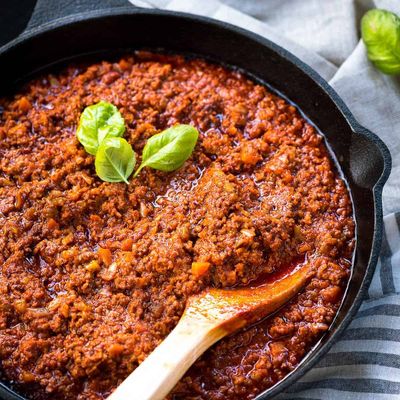
Restaurant-Style Ragù
True ragu demands patience, precision, and respect for the process. Ground beef (or a beef and pork mix) browns deeply in batches to build caramelization without steaming. Aromatic vegetables soften slowly until sweet. Tomato paste darkens and concentrates its flavor through caramelization. Red wine deglazes and cooks off. Then comes the long, gentle simmer, 1 hour 45 minutes to 2 hours, where flavors meld and deepen into something far greater than the sum of its parts. This is not a quick sauce; it is an investment in excellence.

Arancini
Cold risotto (saffron Milanese-style is traditional in arancini "alla Milanese"; plain works too) is mixed with grated parmesan and beaten egg to bind. Filling, a stew of beef-and-pork ragù with peas, OR a cube of mozzarella, sits in the centre of each ball. Hands wet with water shape the rice around the filling into a tight orange-sized ball (or cone, for the Catania style). Each ball is rolled first in flour, then in beaten egg, then in fine breadcrumbs (or in the doubled-up "panata" mix of flour + water for the Sicilian original). Deep-fried at 180°C in 4-5 cm of oil for 4-6 minutes per ball until deep gold. Drained on kitchen paper; eaten warm.
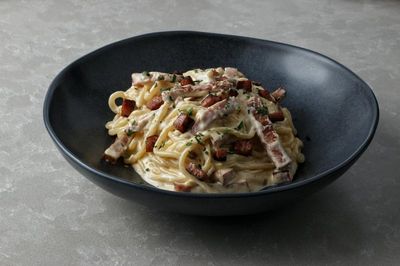
Bucatini Carbonara
Bucatini Carbonara is a masterclass in simplicity and technique. Five ingredients, pasta, eggs, Pecorino Romano, pancetta, and salt, combine to create a rich, creamy sauce without any cream. The success lies in temperature control: hot pasta cooks the raw eggs to silken perfection without scrambling. This is Roman street food elevated to art.
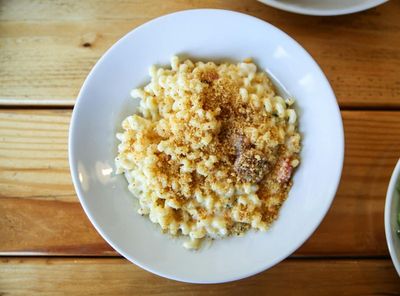
Crispy Topped Pasta with Courgettes and Salami
This is baked pasta at its most elegant. Fresh courgettes sear quickly to maintain their texture, salami provides salty richness, and a silky homemade béchamel unites everything. Baked under a golden Parmesan crust until crispy and bubbling, this dish works as a first course, main course, or served at room temperature as a cold dish. The textural contrast between the creamy sauce and crispy top is essential.