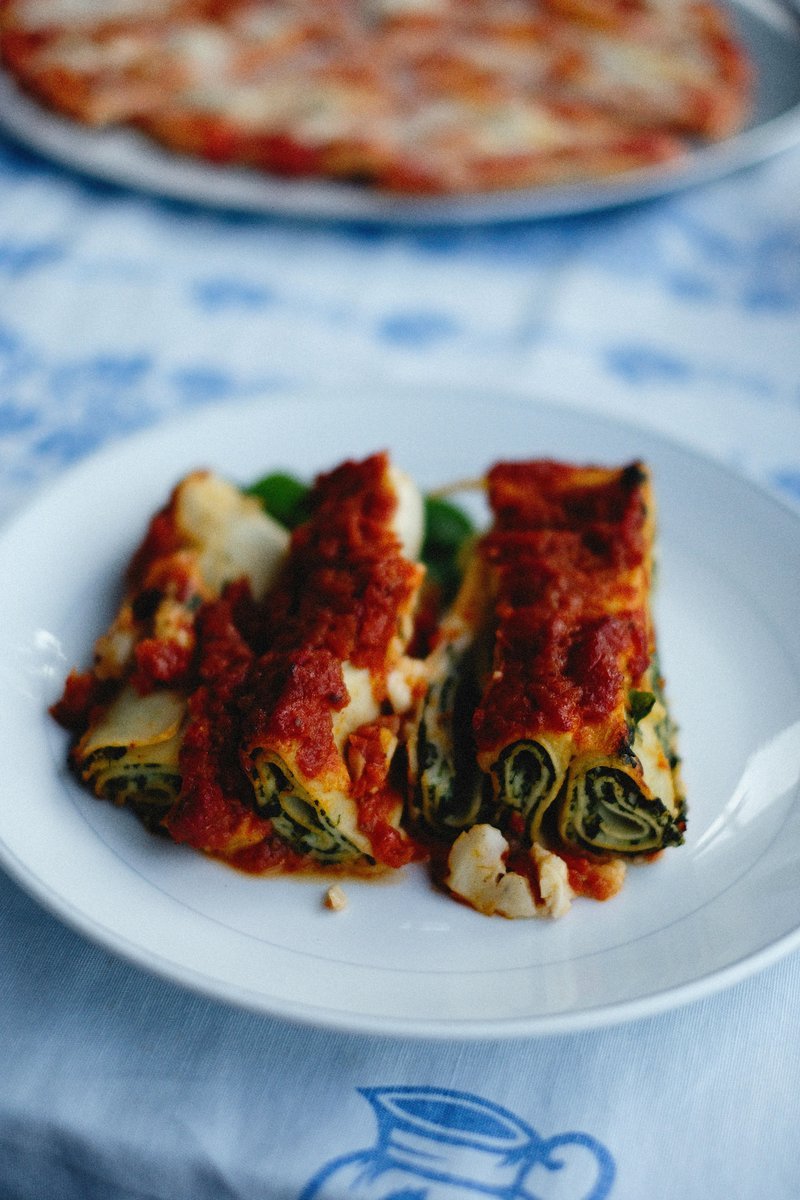
Cannelloni Filled with Rocket, Spinach, and Ricotta Cheese
Cannelloni del nonno, a classic Italian layered pasta dish that emerges from the oven golden, bubbling, and aromatic. Delicate fresh pasta sheets enclose a vibrant filling of ricotta, spinach, and rocket, bound together with nutmeg and Pecorino, then crowned with silken béchamel and tomato passata.
Overview
This layered pasta masterpiece begins with fresh, delicate pasta sheets encasing a creamy, herbaceous filling. Ricotta and rocket provide lightness and peppery freshness, while spinach adds earthiness and color. The whole affair is bound with silken béchamel, enriched with tomato passata, and finished with a Pecorino crust that turns golden and crispy in the oven, a true celebration of Italian cooking.
Ingredients
Pasta & Sauces
- 400 grams fresh pasta dough
- 720 ml passata
- 15 fresh basil leaves
- 30 grams Pecorino cheese (freshly grated)
Ricotta Filling
- 500 grams ricotta cheese
- 150 grams frozen spinach (defrosted and squeezed dry)
- 150 grams rocket leaves (chopped)
- 60 grams Pecorino cheese (freshly grated)
- ¼ teaspoon nutmeg (freshly grated)
- salt
- pepper
Béchamel Sauce
- 100 grams salted butter
- 100 grams plain flour
- 1 litre full-fat milk (cold)
- ¼ teaspoon nutmeg (freshly grated)
Method
Stage 1 - Prepare Sauces & Filling
- Preheat oven to 180°C.
- Pour passata into a large bowl with basil leaves and season with salt and pepper. Set aside.
- Make béchamel: melt butter in a saucepan over medium heat. Stir in flour and cook for 1 minute until light brown.
- Gradually whisk in cold milk, reduce heat, and cook for 10 minutes, whisking continuously until thickened.
- Stir in nutmeg, season with salt and pepper, and set aside to cool slightly.
- In a separate bowl, combine all filling ingredients: ricotta, spinach, rocket, Pecorino, nutmeg, salt, and pepper. Mix with a fork.
- Refrigerate filling while preparing pasta.
Stage 2 - Roll & Cut Pasta
- Flatten prepared dough with a rolling pin and feed through pasta machine from widest to thinnest setting.
- Lightly flour pasta on both sides throughout.
- Cut into rectangles measuring 7 x 15 cm (you will need 26 sheets).
Stage 3 - Cook Pasta Sheets
- Bring a large saucepan of boiling salted water to the boil.
- Working in batches of five, boil pasta sheets for 1 minute.
- Remove immediately with a slotted spoon and place in a bowl of cold water.
- Transfer to clean tea towels to dry.
Stage 4 - Fill & Roll
- Place 1 ½ tablespoons of filling across each pasta sheet.
- Roll up from the narrow end, overlapping the pasta by about 2 cm to seal.
Stage 5 - Assemble & Bake
- Pour one-third of béchamel into a 25 x 35 cm rectangular baking dish. Spread evenly.
- Place half the filled cannelloni seam-side down in the dish.
- Spoon over half the passata and half the remaining béchamel.
- Layer remaining cannelloni seam-side down, top with remaining passata and remaining béchamel.
- Sprinkle Pecorino over the top.
- Bake in the center of the oven for 35 minutes until golden and crispy.
- Rest for 5 minutes before serving; this helps layers hold together.
Notes
- Fresh Pasta: Fresh sheets make all the difference; the texture is incomparably silkier than dried sheets.
- Béchamel: The milk must be cold to avoid lumps. Whisking steadily is essential.
- Filling Balance: The nutmeg is crucial, a subtle bridge between the earthiness of spinach and the brightness of rocket.
- Assembly: Work orderly, as this is a labor-intensive dish but rewarding.
Variations
With Pesto: Spread a thin layer of fresh basil pesto between the ricotta and passata for additional depth. Seafood Version: Replace filling with cooked crab, ricotta, and herbs for an elegant variation.
Serving
Serve with: A simple green salad dressed with vinaigrette Garnish with: Fresh basil leaves and Pecorino shavings
Storage
- Keeps 4 days refrigerated
- Can be assembled and frozen before baking up to 2 months (bake from frozen, adding 10 minutes)
- Reheats well gently covered in the oven at 160°C
Recipes mentioned here
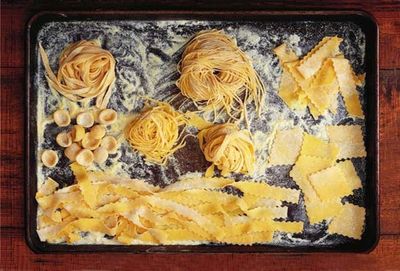
Fresh Pasta Dough
Fresh pasta dough is foundational to Italian cooking. The traditional method, making a well in flour, cracking eggs into it, and gradually drawing in the flour, creates a perfectly textured dough. Resting allows the flour to fully hydrate and gluten to develop. This dough rolls thin for sheets (lasagne, ravioli) or can be cut into shapes (fettuccine, pappardelle, tagliatelle). The texture of fresh pasta is incomparably tender compared to factory-made dried pasta.
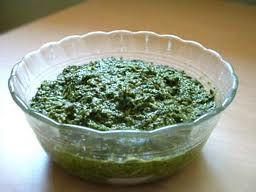
Pesto
Pesto represents the height of simplicity: five ingredients (basil, garlic, pine nuts, olive oil, Parmesan) combined to create a sauce of profound flavor and silky texture. The key to successful pesto lies in ingredient quality and processing technique. Fresh, fragrant basil is non-negotiable; aged or heat-stressed basil creates harsh, off-flavored results. Pine nuts must be fresh (rancid pine nuts ruin pesto instantly). Garlic should be mild and rounded by the pesto's other elements. Parmesan must be freshly grated; pre-grated cheese creates a grainy, inferior result. Traditional pesto is made by mortar and pestle, which bruises rather than cuts the basil, preserving its vibrant green color and fresh character. Modern food processors work adequately but can create a less vibrant result if over-processed.
More like this
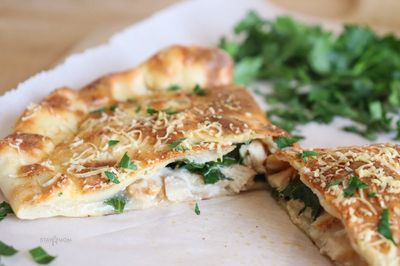
Calzone Pollo Spinaci
A solo calzone built around a béchamel base rather than the more common tomato sauce, giving the filling a richer, lasagna-like character. Cooked chicken, prosciutto, button mushrooms and spinach pile onto a single oval of thin pizza dough, drenched in white sauce and folded into a sealed half-moon. Two finishing flourishes lift the bake: a final brush of garlic butter and a snowfall of grated Riserva that bubbles in the last minute.
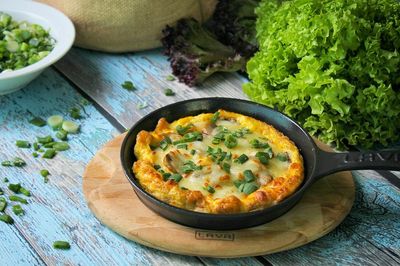
Frittata
Vegetables (spinach, courgette, peas, anything) cook in an oven-proof pan with onion. Beaten eggs with parmesan, herbs and seasoning pour over; the bottom sets on the hob, the top finishes under a hot grill until just puffed.
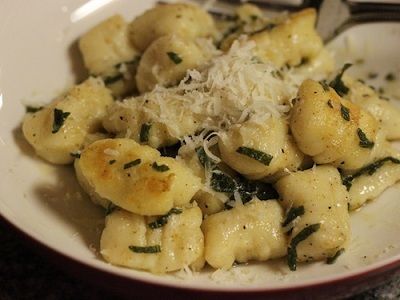
Gnocchetti with Courgettes in Butter and Sage Sauce
These handmade potato gnocchetti showcase Italian rustic cooking at its finest. Tender pillows of light potato dough are tossed with sweet courgettes, fresh sage, and golden butter, then finished with abundant Parmesan. The key to success is gentle handling, don't overwork the dough or the gnocchetti become tough. Fresh sage is absolutely essential.
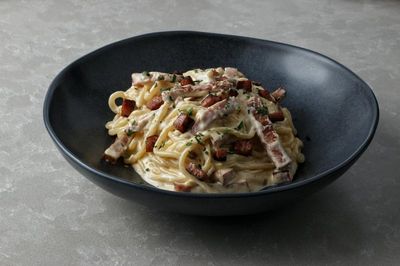
Bucatini Carbonara
Bucatini Carbonara is a masterclass in simplicity and technique. Five ingredients, pasta, eggs, Pecorino Romano, pancetta, and salt, combine to create a rich, creamy sauce without any cream. The success lies in temperature control: hot pasta cooks the raw eggs to silken perfection without scrambling. This is Roman street food elevated to art.