Fresh Pasta Dough
This is the classic Italian egg pasta dough: simple, elegant, and infinitely versatile. Just flour, eggs, olive oil, and salt, no water needed. The richness of the eggs creates tender, silky pasta with golden color.
Overview
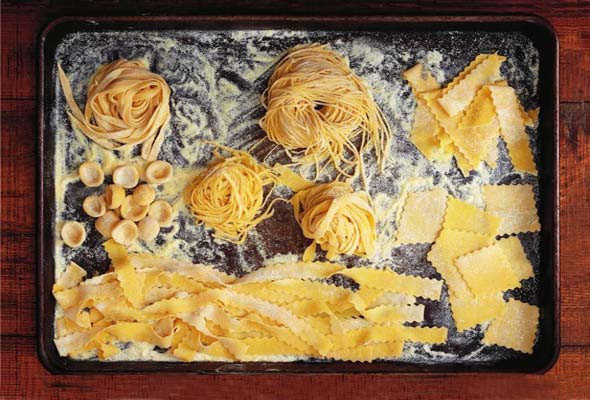
Fresh pasta dough is foundational to Italian cooking. The traditional method, making a well in flour, cracking eggs into it, and gradually drawing in the flour, creates a perfectly textured dough. Resting allows the flour to fully hydrate and gluten to develop. This dough rolls thin for sheets (lasagne, ravioli) or can be cut into shapes (fettuccine, pappardelle, tagliatelle). The texture of fresh pasta is incomparably tender compared to factory-made dried pasta.
Ingredients
Base Dough
- 300 grams Italian 00 flour (doppio zero)
- 3 eggs (large)
- 1 pinch fine sea salt
For Working
- 1 tablespoon extra virgin olive oil
- Extra flour for dusting
Method
Stage 1 - Create Flour Well
- Mound the flour on a clean work surface, making a well in the center (like a volcano).
- Crack all 3 eggs into the well.
- Add the pinch of salt.
- Pour the olive oil into the well with the eggs.
Stage 2 - Gradually Incorporate Flour
- Using a fork, beat the eggs together gently until combined, just as you would scramble them.
- Gradually bring the flour from the inner walls of the well into the egg mixture.
- Work slowly and deliberately; rushing this causes the egg to break through and spill onto the work surface.
- Continue until the flour and eggs have mostly combined into a shaggy mass.
Stage 3 - Knead the Dough
- Roll the dough into a ball (it will be rough and slightly sticky).
- Begin kneading on a very lightly floured surface, using the heel of your hand to push the dough away from you, then fold it back.
- Knead steadily and firmly for 10 minutes.
- The dough should gradually become smooth, elastic, and silky (not sticky).
- If very sticky, dust lightly with flour; if dry, dampen your hands slightly.
Stage 4 - Rest the Dough
- Form the kneaded dough into a smooth ball.
- Wrap it tightly in plastic wrap or place under an inverted bowl.
- Rest at room temperature for 30 minutes (this allows gluten to relax and flour to fully hydrate).
- The dough can rest for up to 1 hour with no ill effects; longer resting improves extensibility.
Stage 5 - Roll and Cut
- Cut the rested dough into 4 equal portions (this makes rolling easier).
- Working with one portion at a time (keep others covered), flatten with your palm.
- Using a rolling pin, roll out flat with long, even strokes, rotating and turning the dough frequently.
- Roll thin enough to see your hand through it for sheets; slightly thicker for cut shapes.
- Cut into desired shapes (fettuccine, pappardelle, lasagne sheets) or allow sheets to dry slightly before cutting.
- Use immediately or lay on a lightly floured tray to dry for 15-30 minutes before cooking.
Notes
- Flour Type: Italian 00 flour (doppio zero) is softer than all-purpose and creates more tender pasta; it's worth seeking out at Italian markets.
- Egg Quality: Fresh, room-temperature eggs incorporate more smoothly; cold eggs can make the dough hard to work with.
- Hydration: The eggs provide all necessary moisture; don't add water or the dough becomes dense and starchy.
- Resting is Essential: This 30-minute rest allows gluten to develop and relax, making the dough easier to roll thin without breaking.
- Hand Work: Kneading by hand (rather than a food processor) creates the best texture and gives you tactile feedback about the dough's moisture level.
- Resting Before Cooking: Fresh pasta cooks very quickly (2-4 minutes); if storing for later, dust lightly with semolina to prevent sticking.
Variations
Spinach Pasta: Purée 100g fresh spinach, squeeze dry, and reduce eggs to 2; add spinach to the well with eggs. Herb Pasta: Finely chop fresh herbs (basil, parsley) and fold into the dough after kneading. Saffron Pasta: Infuse a pinch of saffron threads in 1 tablespoon warm water; add to the egg well instead of using one egg. Whole Wheat: Replace 75g of 00 flour with whole wheat flour for nutty flavor and rustic appearance. Beet Pasta: Add 2 tablespoons beet purée to the eggs, omit one egg.
Serving
Serve immediately after cooking (fresh pasta is best served within seconds of draining) Dress with: Butter and sage, olive oil and garlic, quick tomato sauce, creamy sauces, or pesto Amount: 350g dough serves 2-3 people Shape options: Cut into ribbons (fettuccine, pappardelle, tagliatelle), shapes for filling (ravioli, tortellini), or lasagne sheets
Storage
- Fresh, uncooked pasta: Store on a lightly floured tray at room temperature for up to 2 hours, or refrigerate covered for up to 1 day
- Dried fresh pasta: Lay on wire racks and allow to dry completely (4-8 hours), then store in an airtight container for up to 1 month
- Frozen: Lay fresh pasta on a tray, freeze until hard, then transfer to freezer bags for up to 3 months; cook directly from frozen (add 1-2 minutes to cooking time)
- Never thaw frozen pasta before cooking
More like this
Burger Buns
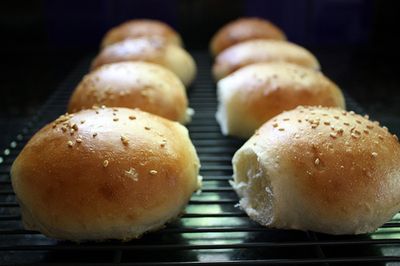
These are soft, pillowy burger buns with a tender crumb and sesame-seed finish. The combination of milk, lard (or butter), and a touch of sugar creates tender, slightly sweet dough that's ideal for burgers, pulled meat, or roasted vegetables. The dual egg wash and sesame seed topping create professional appearance and pleasant textural topping. These buns are best eaten the day they're made while still soft and warm.
Pains au Chocolat
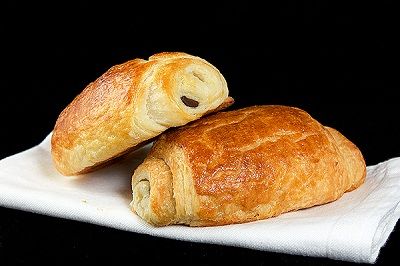
Pains au chocolat are French pastries made from laminated croissant dough enclosing dark chocolate sticks. The butter-layered dough creates a crispy, flaky exterior while the chocolate melts into the warm pastry. They're ideal for breakfast or afternoon tea, and freezing capability makes them practical for baking in advance.
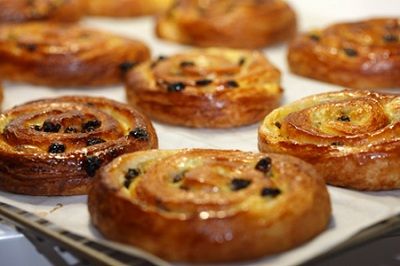
Pains au Raisins
Pains aux raisins are spiral-shaped pastries made from croissant dough layered with crème pâtissière and soaked sultana raisins. Their classic spiral shape comes from rolling the dough and cutting it into individual rounds. They're less buttery than croissants but equally indulgent, and are a staple of French pâtisserie breakfasts.
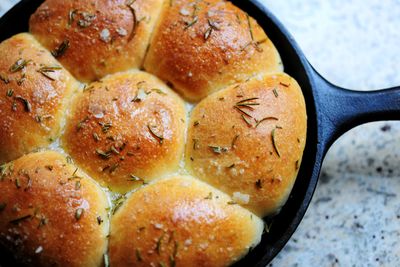
Rosemary Bread Trio
These rustic bread buns are perfumed with fresh rosemary sprigs and shaped in trios, creating distinctive clover-like rolls. The dough is intentionally wet and soft, creating a tender crumb. They're ideal for accompanying soups or serving with butter, and the fragrant rosemary makes them special for entertaining. The key is not adding excessive flour to a naturally soft, slightly sticky dough.