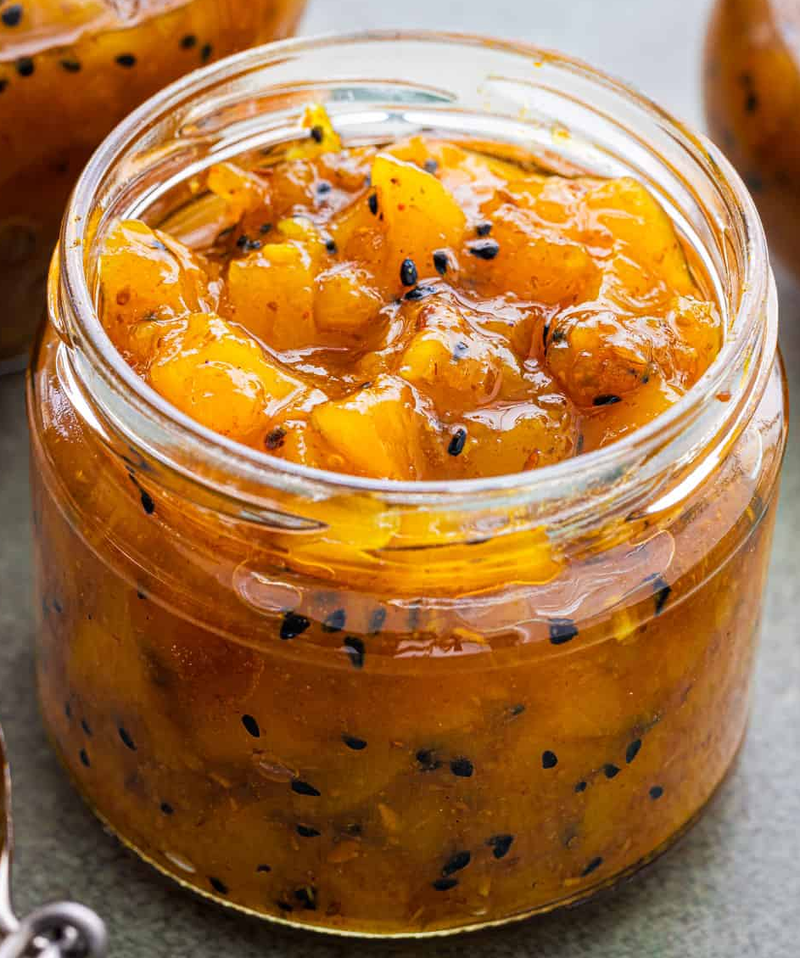
Mango Chutney
India's mango chutney: green mango simmered with sugar, vinegar, ginger, chilli and warm spices into a glossy sweet-sour preserve.
Overview
This is the foundational chutney of Indian kitchens. Unripe green mangoes, simmered slowly with sugar and vinegar in a gentle spice base, transformed into a thick, concentrated condiment. The sweet and sour balance allows the mango's subtle character to shine. This is shelf-stable and improves with age; make it in batches and keep jars on hand year-round.
Ingredients
Base
- 400 grams sugar
- 250 ml distilled white vinegar
- 4-5 green mangoes (peeled and cubed)
- 1 onion (chopped)
- Large handful of raisins (about 75 grams)
Aromatics & Spices
- 5 cm piece of fresh ginger (peeled and finely chopped)
- 3 garlic cloves (finely chopped)
- 1 teaspoon black mustard seeds
- 1 teaspoon chilli powder (optional, add if desired spice)
- Salt (optional, to taste)
Method
Stage 1 - Create Base Syrup
- Place the sugar and vinegar in a large, heavy-bottomed saucepan.
- Bring to a boil over medium-high heat.
- Stir continuously until the sugar dissolves completely.
- The mixture should be clear and bubbling gently.
Stage 2 - Build Chutney
- Add the cubed green mangoes to the syrup.
- Add the chopped onion and raisins.
- Add the finely chopped ginger and garlic.
- Stir in the black mustard seeds (and chilli powder if using).
- Stir everything together until well combined.
Stage 3 - Long Simmer
- Reduce the heat to low.
- Simmer gently and stirring regularly, for about 1 hour (or until the mixture is very thick and sticky).
- The mango pieces should break down and soften.
- The syrup should reduce significantly and coat the back of a spoon.
- The chutney is ready when it reaches a jam-like consistency.
Stage 4 - Finish & Preserve
- When the chutney reaches desired thickness, taste and adjust seasonings (add salt if needed).
- For chunky chutney, leave as is; for smooth, blend until desired consistency.
- Transfer to hot, sterilized jars while still hot.
- Leave a little space at the top (about 1 cm).
- Allow to cool to room temperature before sealing.
Notes
- Green Mangoes: Unripe mangoes are essential; they provide the tartness that balanced ripe mangoes lack. Sourced from Indian grocers.
- Thick Consistency: The 1-hour simmer creates the signature thick texture; don't rush this stage. If too thin, continue simmering; if too thick, thin with a splash of vinegar.
- Sterilization: Always use sterilized jars for proper preservation; wash and boil jars before use.
- Sweetness Balance: This chutney is sweet; if you prefer less sweetness, reduce sugar by 50 grams and add extra vinegar.
- Spice Adjustment: Chilli powder is optional; add it only if you want heat.
Variations
Spicy Heat: Add 1-2 teaspoons chilli powder for more pronounced heat. With Turmeric: Add ½ teaspoon ground turmeric for earthiness and color. Mint Version: Add ¼ cup fresh chopped mint in the last 5 minutes of cooking. Smooth Texture: Blend until completely smooth for a refined consistency.
Serving
Serve with: Samosas, pakora, rotis, curries, cheeses Garnish: None needed; this is a condiment
Storage
- Store in sterilized glass jars with tight-fitting lids
- The high sugar and vinegar content preserves the chutney; properly sealed jars keep for 6+ months
- Once opened, refrigerate for up to 2-3 weeks
- Flavors improve and deepen after 1-2 weeks of storage
Mango chutney is easy to prepare and endlessly adaptable to taste preferences. Sweet, tangy, and optional spicy, this is the chutney most familiar to Western Indian restaurants. Green (unripe) mangoes provide tartness; sugar and vinegar provide balance. Serve chunky or blended smooth depending on preference.
Recipes mentioned here
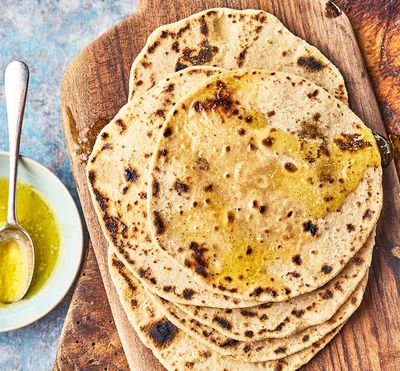
Rotis
A simple wholemeal flatbread that lives or dies on technique rather than ingredients. Rolled to even thinness and cooked first on a hot tawa, then puffed over a naked flame, a properly made roti separates into two thin sheets of soft bread. The right partner for almost any curry, dal or chutney.

Samosas
Samosas are the ultimate Indian snack: crispy, angular parcels of golden filo pastry enclosing spiced, fragrant filling. The technique is simple yet satisfying, triangular folding, egg wash sealing, and oven-baking creates a light, shattering crust. Unlike deep-fried versions, these are baked for a lighter result while maintaining crispness. Serve warm with chutney, raita, or lemon juice. These are elegant enough for entertaining, casual enough for snacking.
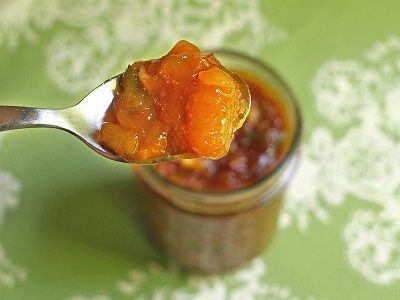
Mango Chutney
A delicate, fruity preserve balanced with warm spice notes and bright acidity. This mango chutney captures the sweetness of ripe fruit while nigella seeds and warm spices provide intricate flavour layers perfect alongside curries, game, and cheese selections.
More like this
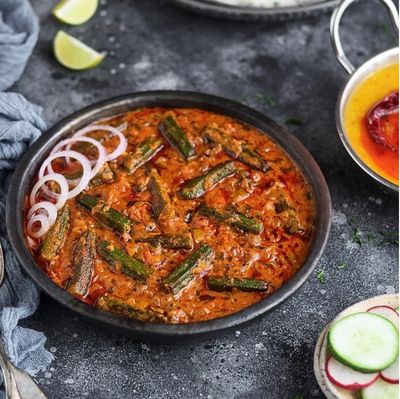
Bhindi Masala
The okra is washed, dried thoroughly and trimmed, then cut into 2 cm pieces. A dry-fry over high heat for 10 minutes cooks away the surface moisture that causes slime. Onion is then browned with whole cumin in a separate go, ginger and garlic added, tomato cooked down with the ground spices, and the dry-fried okra folded in for a final dry simmer. Finished with garam masala, amchur and coriander.

Agra Ginger Chicken
A light, cleansing chicken curry from Agra with fresh ginger, warm spices and bright tomato notes. This vibrant dish is designed to be accessible and fresh, with spinach and lime lifting the finished curry.

Akuri (Indian Spicy Scrambled Eggs)
Silky scrambled eggs infused with warm spices and fresh aromatics. The turmeric adds a earthy golden color while ginger and chilli provide warmth and complexity. Served with fresh coriander, this makes an excellent quick snack, elegant starter, or gourmet canapé topping.

Aloo Gobi
Cumin seeds bloom in hot oil; chopped onion is fried until gold; ginger-garlic paste, turmeric, chilli and coriander toast briefly; tomato softens into a quick sauce. The potatoes go in first (they need longest), the cauliflower follows; both cook covered until tender, stirred occasionally. Garam masala and chopped coriander at the end.