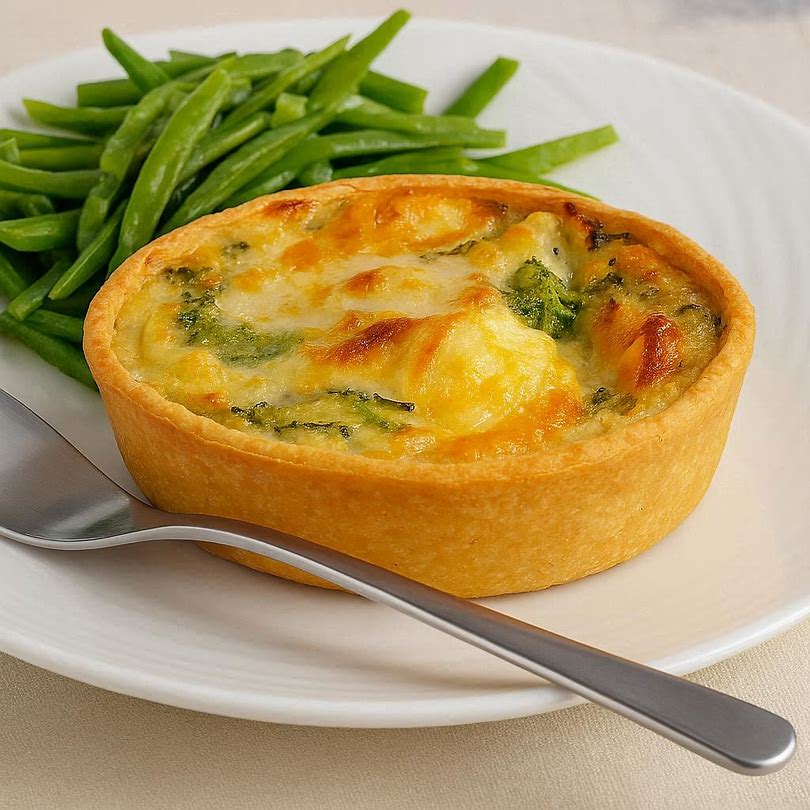
Lightly Curried Seafood Flan
Tender seaweed is a tasty, attractive addition to these light, creamy seafood flans, but it is not always easy to obtain.
Overview
Elegant individual flans featuring fresh shellfish, mussels, scallops, and langoustines, in a silky curry-infused custard set within a crisp pastry case. The delicate interplay of seafood sweetness and warm curry spice creates a sophisticated starter worthy of special occasions. Best served warm from the oven.
Ingredients
Pastry base
- 375 g shortcrust pastry
Seafood
- 24 fresh mussels (cleaned)
- 3 scallops (large)
- 6 langoustines (cleaned)
- 100 g tender green seaweed (optional)
Flavouring
- 75 ml dry white wine
- 1 shallot (finely chopped)
- 1 tbsp Curry Powder
Custard
- 75 ml double cream
- 1 whole egg
- salt
- pepper
Method
Make the filling
- Put the mussels, wine and shallot in a large saucepan, cover tightly and cook briskly for 2 - 3 minutes until the mussels have opened; discard any that stay closed.
- Take the mussels out of their shells and place in a bowl, cover with cling film and set aside.
- Pour the cooking juices into a small pan, heat to below simmering (no more than 80°C) and gently poach the scallops for 3 minutes.
- Remove them with a slotted spoon and add to the mussels, leaving the juices in the pan.
- Lightly cook the langoustines in simmering water for 2 minutes, then drain.
- Pull off the heads from the langoustines, chop these and add them to the pan containing the reserved cooking juices.
- Sprinkle in the curry powder.
- Simmer for 3 - 4 minutes, then strain through a chinois or fine-meshed conical sieve, pressing with the back of a spoon to extract as much juice as possible.
- Keep the langoustine tails to one side.
Prepare the pastry
- Roll out the pastry to a 3 mm thickness.
- Using a 15 cm cutter or plate as a guide, cut out 6 rounds.
- Use these to line 6 individual flan tins, 10 cm in diameter and 2 cm deep.
- Chill the pastry in the fridge for 20 minutes.
Blind bake the pastry
- Preheat the oven to 180°C.
- Prick the pastry case bases.
- Line the pastry cases with greaseproof paper, and fill with a layer of baking beans.
- Bake the cases blind in the oven for 10 minutes.
- Lower the oven temperature to 170°C.
- Remove the paper and the beans and return the pastry cases to the oven for 5 minutes.
- Leave the pastry cases in the tins to cool.
Cook the flan
- Halve the scallops horizontally and place one scallop disc in each flan case.
- Shell the langoustine tails, halve them length ways and place 2 halves around the scallop in each flan case.
- Fill the gaps with the mussels.
- If using seaweed, arrange it on top.
- In a bowl, mix the cream, egg, egg yolk and reserved curry-flavoured juices.
- Season with salt and pepper to taste.
- Pour the mixture over the seafood in the flan cases and bake for about 20 minutes until the filling has set.
- To check, delicately insert a knife tip into the centre, if it comes out clean the flans are ready.
Notes
- Seaweed optional: Adds visual appeal and subtle briny note; unavailable seaweed can be omitted without compromising the dish.
- Shellfish quality: Use the freshest shellfish available; discard any mussels that don't open after cooking.
- Custard setting: The flan is done when a knife inserted in centre comes out clean; overbaking causes toughness.
- Curry powder: Fresh curry powder provides best flavour; stale powder will taste flat and bitter.
Serving
Serve warm straight from the oven, accompanied by a simple frisée salad with garlic croûtons and a crisp white wine.
Storage
- Best eaten warm immediately after baking; do not refrigerate.
- Leftover flans can be stored refrigerated for 1 day and gently reheated in a warm oven.
- Do not freeze; seafood-based custards do not refreeze well.
More like this
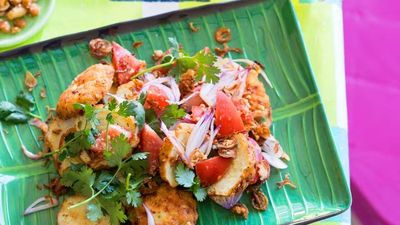
Nga Hpe (Burmese Fish Cakes)
The Burmese fish cakes that arrive at lahpet-thoke salad tables and street snack stalls alike, bright with lime and curry leaf. You cube skinless firm fish fillets and pulse them in a food processor with shallot, garlic, ginger, lime, fish sauce and a small egg into a sticky paste. A spoon of beaten cornflour binds it. Curry leaves, sliced spring onion, chopped cilantro and a fresh chilli go in for fragrance and bite. Patties form by hand (keep your hands slightly damp so the mixture doesn't stick), then shallow-fry in batches at 170°C for two or three minutes per side until they're deep gold and crisp at the edges. Eaten warm with a sour-sweet tamarind dipping sauce.
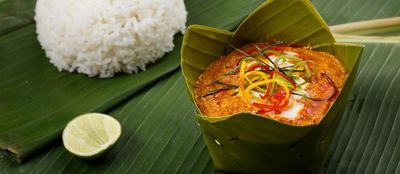
Amok Trey
Cambodia's national dish, the centrepiece of any Khmer feast and the proper-occasion food across the country. You start by pounding kroeung fresh in a mortar (the paste of lemongrass, galangal, turmeric, garlic, shallots, kaffir lime zest and coriander root that defines Khmer cooking, and that no shop-bought paste comes close to matching). The kroeung fries briefly to bloom its aromatics, coconut cream and stock loosen it, and eggs whisk in to set the eventual custard. Chunks of firm white fish fold through with chopped greens (traditionally noni leaves, with spinach or chard standing in), and the whole mix spoons into banana-leaf cups (or small ramekins). Twenty minutes in a steamer turns the custard just-set around the soft fish, and the banana leaves perfume everything. Served from the parcels with steamed rice and a wedge of lime.
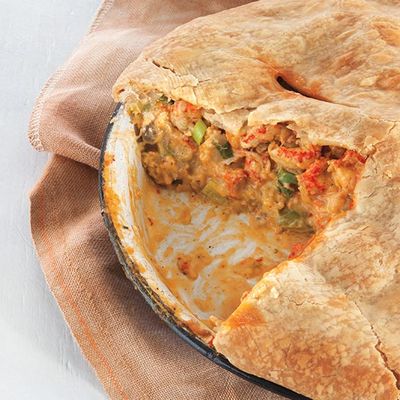
Crawfish Pie (Mini)
Sweet shortcrust pastry chills for 30 min. Filling: butter + flour make a blonde roux; trinity (onion + celery + green pepper) softens; crawfish tails + cream + tomato paste + Cajun seasoning + green onion finishes. Cool. Roll pastry; cut 10 cm rounds; spoon 1 tbsp filling on half; fold and crimp; brush with egg wash. Bake for 25 minutes at 200°C till deep gold.

Fish Roll
Dough: flour, butter, sugar, salt, baking powder, egg, milk, mixes to a smooth firm dough. Rests for 30 min. Filling: tinned sardines mash with sautéed onion, chilli, curry powder, thyme, salt. Dough divides; each portion rolls to a 12 cm circle; filling pipes or spoons in a line down the centre; dough rolls around the filling into a cigar; ends pinch sealed. Deep-fries for 5 minutes at 170°C till deep gold.