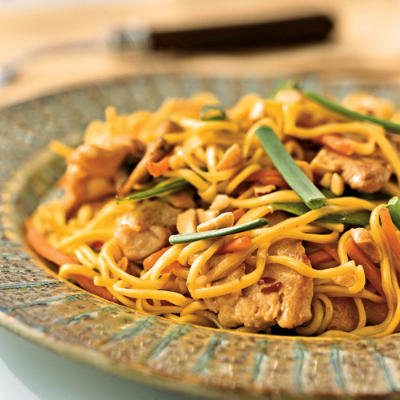
Chow Mein
The Cantonese stir-fried noodle: egg noodles tossed hot in a hot wok with bean sprouts, spring onion, soy and oyster sauce.
Overview
Chow mein literally means 'stir-fried noodles' and this contemporary dish is equally popular throughout southern China as it is worldwide. Fresh egg noodles are quickly stir-fried with protein and vegetables, creating a harmonious balance of textures and flavours. The keys to success are properly cooked noodles, high-heat wok cooking, and precise timing.
Serves: 4 Prep Time: 15 minutes Cook Time: 5 minutes
Ingredients
Noodles
- 225 grams fresh egg noodles
Chicken & Marinade
- 100 grams chicken breast (skinned)
- 2 teaspoons light soy sauce
- 2 teaspoons dry sherry (or rice wine)
- 2 teaspoons groundnut oil
Stir-Fry
- 1 tablespoon groundnut oil
- 1 teaspoon garlic (finely chopped)
- 50 grams mange tout (trimmed)
- 25 grams Parma ham (sliced)
- 1 teaspoon light soy sauce
- ½ teaspoon sugar
- 1 tablespoon spring onions (finely chopped)
- 1 teaspoon sesame oil
Method
Stage 1 - Cook Noodles
- Boil the noodles for 3-5 minutes and immerse in cold water.
- Drain thoroughly, shaking off as much excess water as possible and set aside.
Stage 2 - Prepare & Cook Chicken
- Using a sharp knife, slice the chicken breast into fine 5 cm long shreds.
- Combine the chicken shreds with the 2 teaspoons of soy sauce, sherry and 2 teaspoons oil in a small bowl.
- Let the chicken marinate for about 10 minutes.
- Heat a wok or large frying pan and add the marinated chicken shreds.
- Stir-fry for about 2 minutes until cooked, then transfer to a plate.
Stage 3 - Stir-Fry Vegetables
- Clean the wok or pan and re-heat it.
- Add 1 tablespoon of oil and garlic.
- Stir-fry for about 10 seconds, then add the mange tout and Parma ham.
- Stir-fry for 1 minute.
Stage 4 - Combine & Finish
- Add the noodles, 1 teaspoon soy sauce, sugar and spring onions to the wok.
- Continue to stir-fry for about 2 minutes.
- Return the chicken to the noodle mixture.
- Continue to stir-fry for 3-4 minutes until everything is heated through and well combined.
- Add the sesame oil and give the mixture a few final stirs.
- Serve at once.
Notes
- Noodle texture: Fresh egg noodles provide the best texture, they should be cooked to just al dente, cooled, and well-drained to prevent a soggy dish.
- High-heat wok cooking: Essential to prevent noodles from sticking and to maintain texture. Keep ingredients moving constantly.
- Timing: The entire cooking process should be quick, once noodles are added, finish within minutes to maintain texture and heat.
- Sesame oil finish: Added at the very end, it provides authentic fragrance and flavour.
Serving
Serve with: A simple vegetable side or light soup to balance the richness
Storage
- Best served immediately for optimal texture
- Keeps 1 day refrigerated (texture will soften)
- Not recommended for freezing (noodles become mushy)
More like this
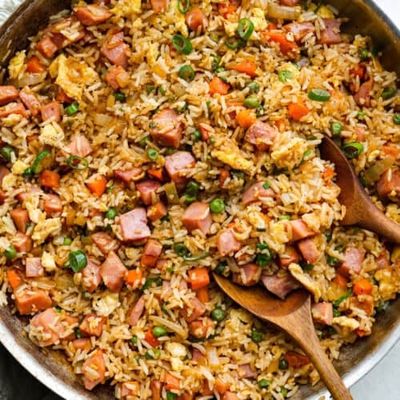
Fried Rice
Fried rice is fundamentally about texture contrast: individual grains coated entirely with hot oil, remaining crispy and separate, never clumped or greasy. Success requires three critical elements: Cold rice (overnight-refrigerated best), sufficiently hot oil (nearly smoking), and a light hand with seasonings. The beaten egg is never pre-cooked; instead, it's added raw to the hot rice and oil where residual heat cooks it silkily, coating the grains. Bean sprouts provide fresh textural contrast. This is not comfort food; it's refined technique applied to simple ingredients.
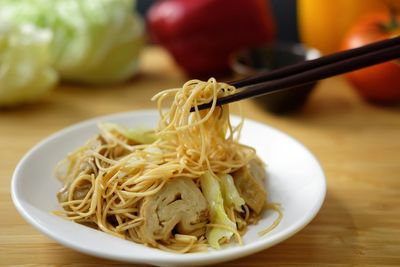
Longevity Noodles
Yi mein (e-fu) are pre-fried Cantonese egg noodles sold as flat round cakes; they soften almost instantly in hot water and pick up sauce like a sponge. Stir-fried over high heat with shiitake mushrooms and ginger; finished with garlic chives, soy and a quick splash of shaoxing. The noodles are tossed gently - never cut, never broken - and served piled high in a wide bowl. If you can't find yi mein, fresh thin egg noodles work; the symbolism stays intact.
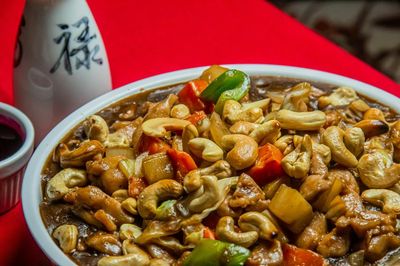
Cashew Chicken
This dish exemplifies the Chinese penchant for contrasting textures. Tender succulent pieces of chicken are paired with sweet, crunchy cashew nuts and a delicate sauce. While the original Chinese version would have used peanuts (as cashews were not traditionally featured in Chinese cookery), this adaptation showcases how the cuisine evolves while maintaining its core philosophy of textural harmony.
Chicken and Peanut
When cooking Chinese food, it's essential to think about the flavours and textures of ingredients working in harmony. Juicy chicken combined with succulent baby corn, tender vegetables, and salty, crunchy cashew nuts create a balanced dish where each element complements the others. A glossy sauce ties everything together without overwhelming delicate flavours.