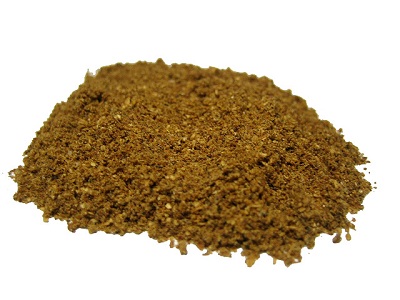
Garam Masala (Kashmiri)
The Kashmiri garam masala: a more delicate blend with fennel, dried rose petals and a heavier hand of cardamom. Less heat, more perfume.
Overview
The Kashmiri garam masala is distinct from the classic version: it emphasizes aromatics, not heat. Rose petals and optional saffron mark authentic recipes; the warmth comes from cardamom, cinnamon, and cloves rather than chillies. This finishing blend is added toward the end of cooking or sprinkled over dishes. The result is sophistication, each spice distinct, each note clear. This is the garam masala of palace cooking.
Ingredients
Whole Spices
- 4 ½ tablespoons coriander seeds
- 2 ½ tablespoons white cumin seeds
- 5 teaspoons aniseed
- 1 cinnamon stick (broken into pieces)
- 1 ½ tablespoons green cardamom seeds
- 1 tablespoon cloves
- 1 ½ teaspoons dried mint leaves
- 6 bay leaves
Optional Luxurious Additions
- 1 tablespoon dry rose petals (optional but recommended)
- 1 teaspoon saffron stamens (optional but authentic)
Method
Stage 1 - Prepare Spices
- Break the cinnamon stick into small pieces (1-2 cm each).
- Lightly crush the cardamom seeds to expose seeds inside.
- Measure all ingredients.
Stage 2 - Dry Roast
- Place a large wok or heavy-bottomed pan over medium heat with no oil.
- Add all ingredients: coriander seeds, cumin seeds, aniseed, cinnamon pieces, cardamom, cloves, mint, bay leaves, and optional rose petals and saffron.
- Immediately begin shaking the pan continuously as spices heat.
- After 3-4 minutes, the spices will become fragrant and visibly darker.
- Continue for another 1-2 minutes until the aroma is noticeably aromatic.
- Do not allow smoking; remove from heat immediately.
- Allow to cool slightly before grinding.
Stage 3 - Cool Completely
- Transfer to a cool surface and allow to reach room temperature (10-15 minutes).
Stage 4 - Grind to Powder
- In batches, add roasted spices to a mortar and grind with pestle to fine powder.
- Alternatively, use a spice grinder in small batches.
- Work until you have a consistent, fine powder.
Stage 5 - Mix & Combine
- After grinding all batches, combine all ground powder in a bowl.
- Stir thoroughly for 1-2 minutes to ensure even distribution of all spices and delicate elements (rose petals, saffron).
Stage 6 - Store
- Transfer to airtight jar in cool, dark place.
- Label with date.
- Store away from light and heat.
- The spices will develop better flavor over 1-2 weeks.
Notes
- Kashmiri Philosophy: This is a finishing blend emphasizing elegance over heat. Cardamom, cinnamon, and cloves provide warmth; rose and saffron add luxury.
- Rose Petals & Saffron: These are optional but mark authentic Kashmiri recipes. They add floral notes and pale color that distinguish this from classic garam masala.
- Grinding in Batches: The delicate rose petals and saffron require careful handling. Grinding in small batches prevents over-processing.
- Application Timing: Add 1-2 minutes before end of cooking or sprinkle over finished dishes; never cook for extended time.
- Maturation: Leave for 1-2 weeks before using if possible; flavors meld and intensify.
Variations
Extra Aromatic: Add ½ teaspoon additional dried mint. Heavier: Add ½ teaspoon ground ginger after grinding for earthiness. Richer Color: Increase rose petals to 1 ½ tablespoons. More Saffron: Increase saffron to 1 ½ teaspoons for deeper color and aroma.
Serving
Use in: Kashmiri curries, fragrant rice pilafs, finishing spice for soups and stews Typical ratio: ½-1 teaspoon sprinkled per serving Application: Add 1-2 minutes before serving or sprinkle over finished dish Temperature: Never cook for extended time; add near end of cooking only
Storage
- Store in airtight jar in cool, dark place away from light and heat
- Keep away from moisture
- Properly stored remains flavorful for 8-10 months
- Check aroma after 6 months before using in important dishes
- Rose petals and saffron fade with time and light exposure
- Make fresh every 8-10 months for optimal quality
- Label with preparation date
- Does not require refrigeration
Garam masala is one of the keys to Northern Indian, Moghul, and Pakistani cooking. This Kashmiri version emphasizes fragrance over fire, featuring rose petals and optional saffron for luxurious warmth. Garam means "hot" and masala means "spices", this one heats from the inside out.
More like this
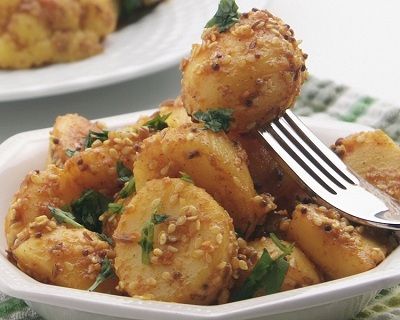
Bombay Potatoes
Bombay Potatoes is comfort food at its finest. Small potatoes are partially cooked, then coated in a richly spiced oil infused with seeds and aromatics. Some potatoes are mashed to create a creamy base, while others remain whole for texture. The result is a warm, golden, deeply spiced side dish that's utterly satisfying. This is a vegetarian staple of Indian home cooking.
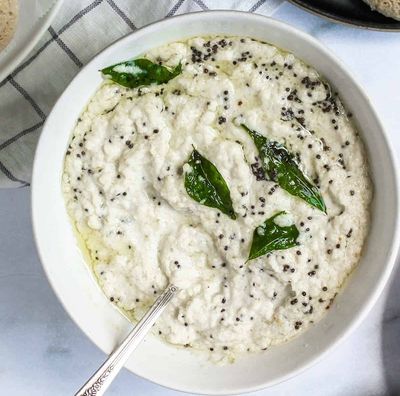
Coconut Chutney
Fresh coconut is ground with green chilli, ginger, roasted gram and a small splash of water into a smooth paste. The chutney is finished with a tempering of mustard seeds, dried red chilli, curry leaves and asafoetida in hot oil, poured over the white chutney for a striking visual and aromatic contrast.
Goan Cucumber Salad
Cucumber is chopped, salted and rested briefly to draw out some of its water (the step that keeps a salad from going soggy). The drained cucumber is tossed with fresh grated coconut, finely chopped green chilli and coriander. A quick mustard-seed temper in coconut oil is poured over the top for the aroma and a faint heat. Eaten by the spoonful from a bowl, or alongside fish curry rice.
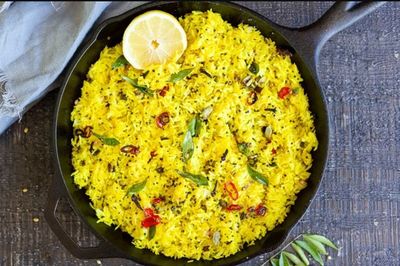
Lemon Rice
A temper of mustard seeds, chana dal, urad dal, peanuts, dried red chilli and curry leaves is bloomed in sesame oil. Turmeric is stirred in for colour. Cooked, cooled rice is tossed through off the heat, then lemon juice is added at the end so the heat doesn't dull the acidity. Bright lunchbox classic; the dish should taste fresh and tart, not muddled.