Berbere

Berbere

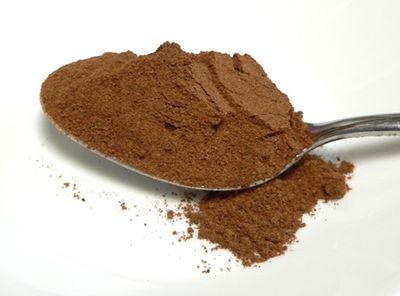
Berbere is the cornerstone of Ethiopian cuisine, a powerfully hot and complex spice blend that's both a condiment and a cooking base. Unlike other chilli-forward blends, Berbere combines dried chillies with cardamom, cloves, and ajowan to create heat with sophistication. The blend is intensely aromatic and demands respect; a little goes a long way. This is a blend for stews and braises that simmer for hours, allowing the spices to develop depth and integrate with other ingredients.

Spices 25 minutes Serves50-60
Chinese Pickled Cucumber

Chinese Pickled Cucumber

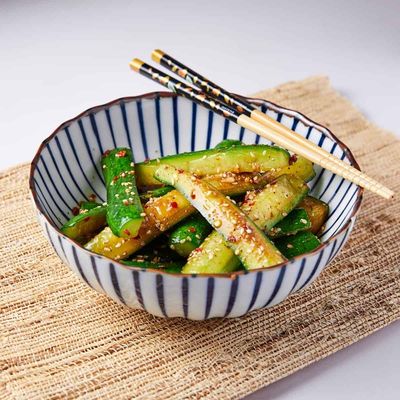
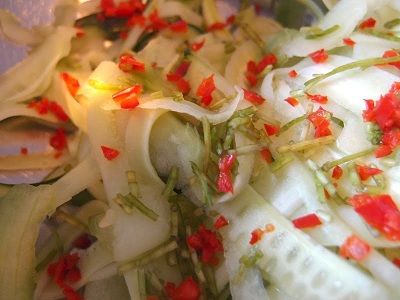
Cucumbers are cut into spears (or smashed-and-torn for a rougher texture), salted heavily in a colander 30 minutes to weep, then patted dry. A brine of rice vinegar, sugar, light soy, water, sliced ginger, Sichuan peppercorns and dried red chillies brings to a gentle simmer just to dissolve the sugar; cools to room temperature. The drained cucumber goes into a jar; the cooled brine pours over to submerge; refrigerated for 1 hour minimum (overnight ideal). Eats cold straight from the jar.

Sides 15 minutes Serves6
Classic Curry Powder

Classic Curry Powder

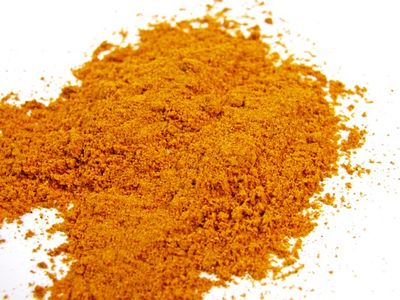
Classic curry powder is the traditional base for British-Indian cooking. Unlike specialized blends like garam masala (finishing) or tandoori (marinading), this powder is the workhorse, the foundation you fry with onions and aromatics to build a curry sauce. It's warm rather than fiery, aromatic rather than one-note. The blend of coriander, cumin, and turmeric is immediately recognizable; this is the curry your grandmother likely made.

Curry Powder 10 minutes Serves115
Jamaican Jerk Marinade

Jamaican Jerk Marinade

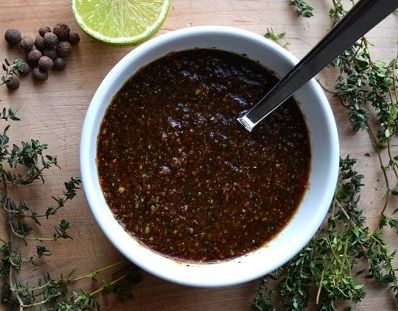
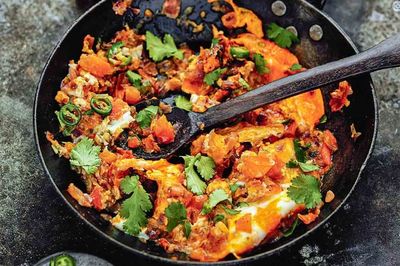
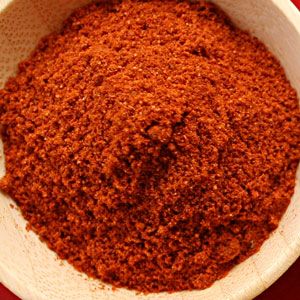
Jamaican jerk marinade represents Caribbean outdoor cooking at its finest: a balance of heat, warmth, umami, and rum-soaked flavor. Unlike quick marinades, this is a stiff paste where cooked onions carry the flavor. The technique of cooking onions, chillies, ginger, and spices together in oil creates a darker, deeper marinade than quick acid-based versions. The rum adds caramel notes and complexity. This paste clings to meat during the slow grill, developing a spiced crust while the interior stays moist. The 8-hour resting period is essential, the spice oils penetrate deeply, infusing every fiber of the meat. This is cooking for patience and reward.
Marinade 24 minutes Serves200-250
Madrasi Masala Paste

Madrasi Masala Paste

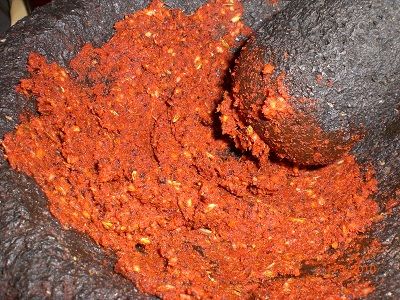
Madrasi masala paste represents the very hot end of British-Indian curry pastes. It's made by toasting and grinding dry spices (mimicking the South Indian cooking technique) then combining them with fried aromatics. The vinegar and oil preservation technique allows batch preparation. The color is deep reddish-brown from the dried chillies, and the aroma is unmistakably fiery. This paste requires careful heat management during cooking and creates genuine sweat-inducing curries.

Curry Paste 17 minutes Serves450
Mixed Spice

Mixed Spice

Mixed spice (also called pudding spice or cake spice) is a British baking staple used in cakes, cookies, fruit compotes, and sometimes in meat dishes. The blend emphasizes warm spices, those that evoke autumn and winter. Unlike curry or other savory blends, mixed spice is designed to complement sweetness, though it works beautifully in savory applications as well. This is a spice blend that bridges sweet and savory cuisine, appearing equally often in apple pies and stewed meats.

Spices 10 minutes Serves63-70
Tsire Powder (West African Spice Coating)

Tsire Powder (West African Spice Coating)

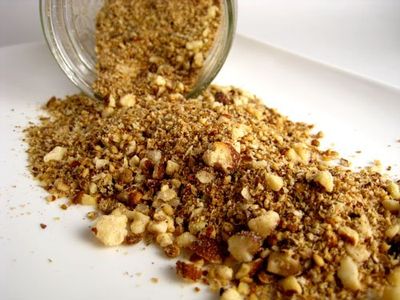
Tsire is fundamentally different from other spice blends: it's a coating powder for grilling rather than a building-block spice base. The blend features ground peanuts as the primary ingredient (providing body and flavor), enhanced with spices that complement grilled meat. The result is more textured than ground spice blends, closer to seasoning salt in consistency. This represents West African outdoor cooking traditions where kebabs are central street food and celebratory fare.

Spices 5 minutes Serves100-110