Beef Wellington

Beef Wellington

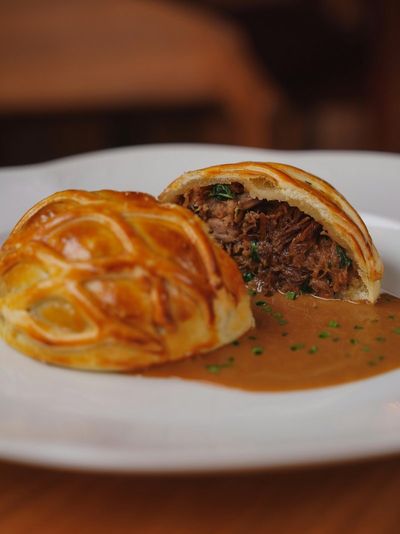
The defining British dinner-party showpiece, somewhere between French haute cuisine and English roast tradition, made famous in the modern era by Gordon Ramsay even if the Iron Duke himself probably never ate it. You sear a centre-cut beef fillet hard for colour, smear it with English mustard, wrap it in a tight blanket of mushroom duxelles and prosciutto, then encase the lot in all-butter puff pastry and roast at high heat. The pastry insulates the beef so it cooks gently to medium-rare while the crust crisps to deep mahogany above. The one technical trick the recipe insists on is drying the duxelles thoroughly so the pastry stays crisp underneath rather than going soggy from leaking mushroom water. Sliced at the table into thick rosy rounds, with a red-wine jus and roasted root vegetables on the side, the kind of plate that makes the evening feel like a special occasion before anyone says it.

British 1 hour 55 minutes Serves6
Biscuit à l'Orange

Biscuit à l'Orange

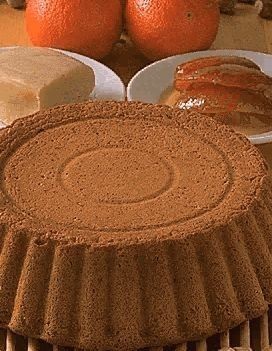
Biscuit à l'Orange is an elegant French almond-based sponge enriched with fresh orange zest and candied orange peel, creating a subtly citrus-flavored, tender crumb. The technique combines aeration (ribboned egg yolks with sugar, whipped whites), ground almonds and candied peel for character, and gentle folding of flour to preserve airiness. The result is a tender, fragrant sponge with whisper-thin crumb and pronounced orange flavor, perfect as a complete layered cake or divided into individual portions for plated desserts. Success depends on achieving proper ribbon consistency, meticulous folding technique, careful spreading of the batter into the ring, and precise baking at moderate temperature.

Sponges 45 minutes Serves1
Biscuit Joconde

Biscuit Joconde

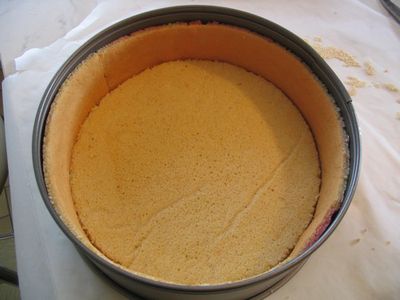
Biscuit joconde is the apotheosis of French patisserie elegance: a delicate, paper-thin sponge made with tant pour tant (equal parts ground almonds and icing sugar), providing refined texture and subtle almond undertone without wheat flour heaviness. The technique combines aeration (ribboned whole eggs with tant pour tant) with careful folding of whipped egg whites, melted butter, and a modest flour addition. The result is spread thinly (3-4 millimeters) on parchment and baked very briefly (2-3 minutes at 250°C) to create a sponge that is just set and firm to the touch, not dried out. This delicate sponge serves as the structural base for mousse cakes, bavarois towers, and refined layer desserts. Success depends on achieving perfect ribbon consistency, meticulous folding technique, precise spreading thickness, and split-second baking timing.

Sponges 23 minutes Serves1
Buttermilk Fried Chicken

Buttermilk Fried Chicken

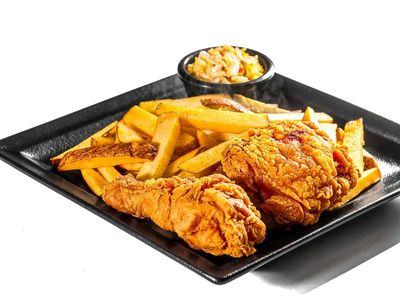
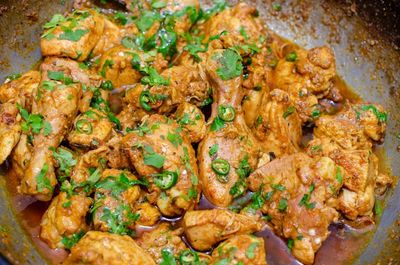
The Southern Sunday dinner that defined a region. You start the night before, sinking bone-in chicken pieces into a buttermilk brine spiked with hot sauce and garlic so the acid tenderises the meat and the seasoning works its way deep. The next day comes the double-dredge: a roll through heavily-seasoned flour, a brief dip back in the buttermilk, then another roll through the flour, which is what gives the finished bird its craggy, almost lacy crust. Into 175°C oil for twelve to fifteen minutes per piece, turned every few minutes so the crust browns evenly. You're done when the coating is deep mahogany and a thermometer in the thigh reads 75°C. Drain on a wire rack rather than paper so the steam escapes and the crust stays shattering. Eat hot with a stack of pickles, a soft biscuit and a bottle of hot sauce on the table; cold the next day at the kitchen counter is its own justified American ritual.

American 40 minutes Serves4
Cannoli Siciliani

Cannoli Siciliani

Ricotta is drained in muslin for at least 4 hours (overnight ideal) to lose the wet whey. A pastry dough of plain flour, sugar, cocoa, cinnamon, Marsala, vinegar, butter and egg yolk is mixed, kneaded smooth, rested for 30 minutes, then rolled out very thin (pasta-thin). Discs (12 cm) cut; wrapped around oiled metal cannoli forms; egg-wash sealed; deep-fried at 180°C for 90 seconds until amber and crackling. Cooled, the shells lift off the moulds. The drained ricotta sweetens with icing sugar, vanilla and orange zest; chocolate chips and chopped candied peel fold through. Piped into the shells at the moment of serving; ends dipped in chopped pistachio or chocolate; dusted with icing sugar.

Desserts 5 hours 45 minutes Serves8
Caponata

Caponata

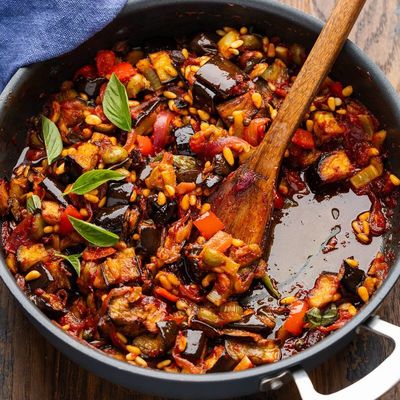
Aubergine cubes are salted to weep, fried hard in olive oil to deep gold, and reserved. A separate pan is used to soften diced onion and sliced celery in olive oil; garlic joins briefly; chopped tomatoes simmer with red wine vinegar and sugar to make the agrodolce base. Green olives, capers, sultanas (optional) and toasted pine nuts are stirred in. The fried aubergine is returned and simmers for 10 minutes to meld. Off heat, fresh basil is scattered. Rested at least 2 hours (ideally overnight) before serving at room temperature.

Sides 1 hour 40 minutes Serves6
Caramel Apples

Caramel Apples

A short-cook caramel: butter, brown sugar, cream and a splash of vanilla, brought to soft-ball stage and dropped to a temperature where it coats and clings. Sticks pushed into the stem ends of cold, dry apples. Each apple gripped by the stick and lowered into the caramel, swirled to coat, lifted clear, and set on a buttered tray. The toppings, if you want them (chopped peanuts, sprinkles, crushed pretzels), go on while the caramel is still tacky.

Desserts 1 hour Serves6
Charoset

Charoset

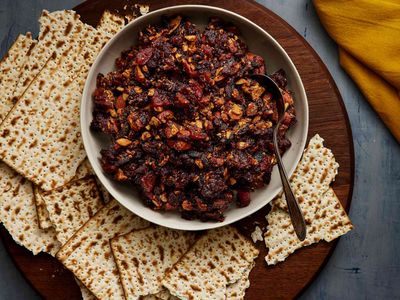
The Ashkenazi version, simplest and most common in northern Europe and the United States: tart apples chopped fine, walnuts crushed coarse, cinnamon, a little brown sugar, and sweet kosher red wine to bind. Stirred together and left for the flavours to meld. Some households add a pinch of ground ginger or a squeeze of lemon. There are dozens of regional variants (Sephardi versions use dates and figs); this one is the most familiar at a North American seder.

Sides 15 minutes Serves8
← Prev Page 1 of 5 Next →