Adana Kebab

Adana Kebab

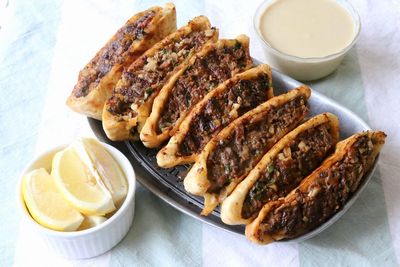
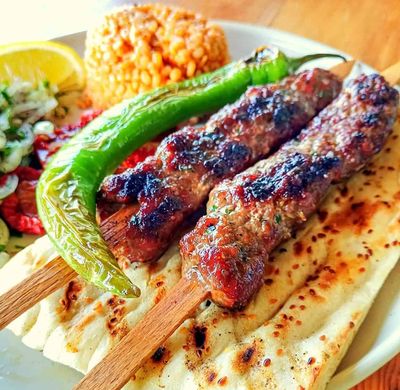
Lamb shoulder and lamb tail fat (or extra fatty trim) chop fine with a heavy knife or zırh (curved blade), proper Adana is hand-cut, never minced through a grinder. The texture has visible pieces of meat and fat the size of small peas. Knead with salt, ground sumac, hot red Aleppo / Maraş chilli flakes (acı biber) and crushed garlic for 6-8 minutes until tacky and clinging to the bowl. Chill for 2 hours. Press a fistful onto a wide flat skewer, working from the centre outward, shaping a 25 cm × 3 cm flat sausage with finger-tip dimples down the length. Grill over hot charcoal 5-6 minutes per side. Slide off skewer onto warm lavash. Rest for 2 minutes; serve.

Turkish 2 hours 42 minutes Serves4
Andouille Skewers

Andouille Skewers

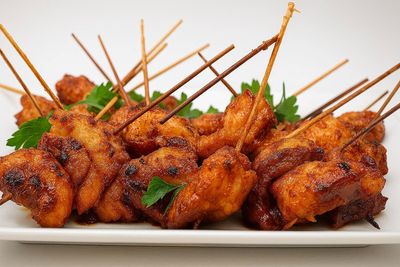
A Cajun cookout skewer, the kind of thing that comes off the grill at a Louisiana backyard barbecue while the gumbo is finishing on the back burner. You take andouille (the heavily smoked, garlicky Cajun pork sausage) and cut it into thick coins, then thread them onto pre-soaked wooden skewers (or metal) with chunks of red and green pepper, red onion, and a few halved cherry tomatoes. Brush with a quick Cajun glaze of melted butter, garlic, brown sugar, hot sauce and Cajun seasoning. Onto a hot grill over high heat for just long enough to char the vegetables and bring the sausage shiny and sticky. Eaten straight off the skewer with a beer in the other hand, the smoke still hanging in the air.

Snacks 27 minutes Serves8
Aroog

Aroog

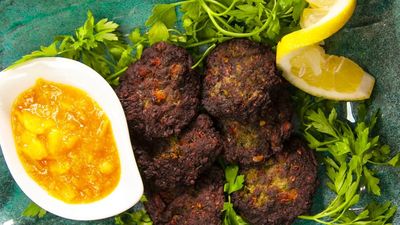
Fine bulgur (#1 grade) soaks in hot water until soft and fluffy. Lamb or beef mince mixes with the bulgur, grated onion, lots of chopped parsley and coriander, ground baharat, cumin and a pinch of cinnamon. The mixture should be soft enough to spread, if it's too dry the aroog crumble. Small portions press onto a hot oiled pan and flatten to 1 cm thick discs; cook for 4-5 minutes per side over medium heat until deeply browned and the meat is just cooked through. Lift, drain briefly, eat hot with lemon and yoghurt.

Snacks 1 hour 20 minutes Serves4
Arroz de Pato

Arroz de Pato

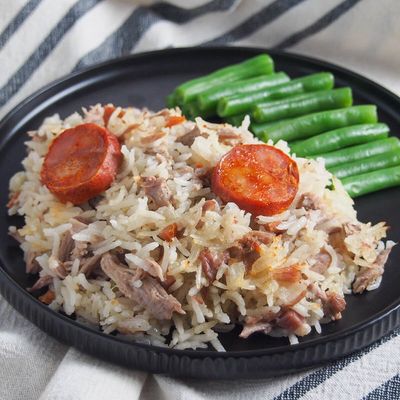
Arroz de pato is Portugal's answer to paella, except baked rather than simmered, and the rice picks up a top crust of crisped chouriço at the end. You poach a whole duck for two hours with onion, bay, cloves and lemon peel until the meat falls apart, then strip the meat off the bones and put the bones back to extract another half hour of flavour from the stock. The strained duck stock cooks the rice, the shredded meat folds back in, and the whole thing goes into a baking dish under a layer of paper-thin chouriço slices. Twenty minutes in a hot oven and the top emerges deeply burnished, the chouriço slices crisp at their edges and slick at their centres. Sunday lunch, ideally with a heavy red from the Douro.

Portuguese 3 hours 25 minutes Serves6
Austrian Goulash

Austrian Goulash

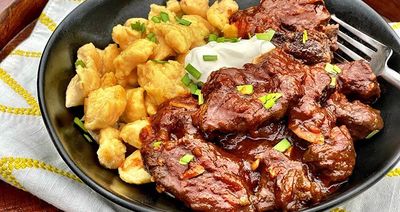
The Viennese answer to its Hungarian cousin: slower, deeper, almost spoonable, the gravy as dark as treacle from hours of careful reduction rather than from any thickener. The defining technique is a one-to-one ratio of onion to beef by weight, which sounds wrong until you taste what it does. The onions cook down to a sweet, brown, almost-marmalade paste before the paprika and meat ever join them, and that paste is the body of the sauce. You use beef shin or chuck and simmer it very slowly in this paprika-onion base with stock, garlic, marjoram, caraway, vinegar and tomato until the gravy clings to every cube. Lard is the right fat. No flour. No quick fixes. Serve with bread dumplings (Semmelknödel), spätzle or thick slices of dark rye, and pickled cucumbers on the side to cut the richness. A bowl that warms you from the centre out on a winter night.

Austrian 2 hours 50 minutes Serves4-6
Bobotie

Bobotie

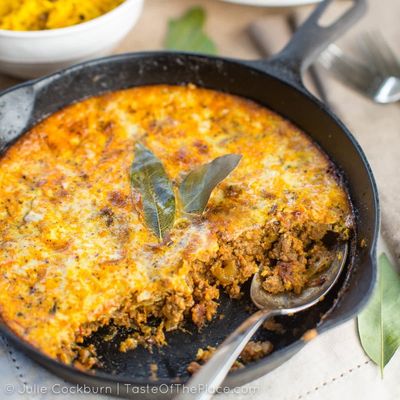
Bread is soaked in milk; mince is browned with onions; curry powder, turmeric and Cape Malay spices bloom. Apricot jam, mango chutney, vinegar and lemon balance the spice with sweet-sour notes. Raisins, toasted almonds and the soaked bread are folded through. The mixture is pressed into a baking dish; eggs are whisked with the leftover milk and poured over; bay leaves are stuck into the surface; the lot is baked until the topping is just-set with a faint wobble.

South African 1 hour 25 minutes Serves6
Briouat Bil Lahm (Meat Briouats)

Briouat Bil Lahm (Meat Briouats)

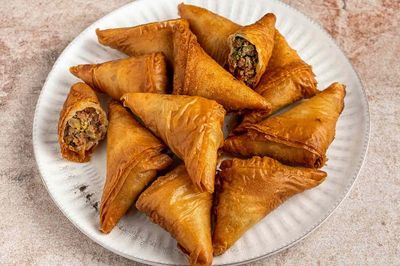
Onion is softened slowly in olive oil 15 minutes. Lamb mince browns with the onion; ras-el-hanout, cumin, cinnamon, salt and pepper season. Stock or a splash of water; simmered for 8-10 minutes till dry-fragrant. Off heat: parsley, coriander, beaten egg, finely chopped preserved lemon. Left to cool. Warka strips lay flat; a teaspoon of filling at one end; flag-folded up the strip into a triangle. Sealed with egg-wash. Deep-fried for 3 minutes till deep gold.

Snacks 55 minutes Serves18
Bunjay-Style Curry Chicken

Bunjay-Style Curry Chicken

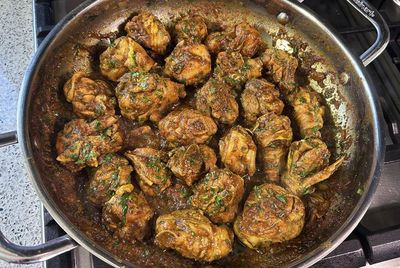
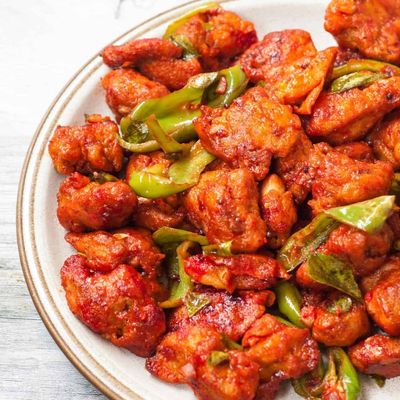
A dry curry rather than a saucy one, "bunjay" is Trinidadian patois for "fry-down", the technique of cooking meat in its own juices until the gravy completely disappears and the spices coat the surface of the meat in a sticky, glaze-like crust. The flavour is concentrated rather than diluted; nothing's been thinned with water or coconut milk, so what you taste is bone-in chicken, rendered chicken fat, and toasted spice. The spice mix is the East Indian Trinidadian signature: turmeric for colour and earth, roasted geera (toasted cumin, ground) for nuttiness, anchar masala for tang, regular curry powder for breadth. The pan oil splits and separates around the chicken at the end, which is the visual cue you're looking for. Smell when the curry powder hits hot oil is deeply aromatic, almost incense-like. Not difficult but it requires attention during the cook-down phase; if you walk away the curry burns onto the bottom of the pan. A Trinidadian household staple, eaten across the country with white rice and dhal, and a clean example of how Indian indentured labourers' descendants in the Caribbean evolved a distinct curry tradition over 150 years.

Trinidadian 2 hours 50 minutes Serves6
Cataplana de Marisco

Cataplana de Marisco

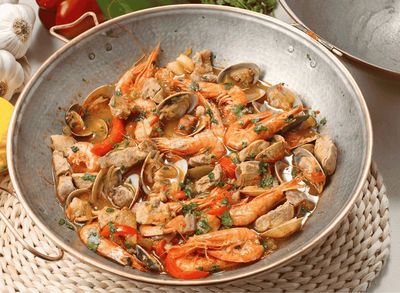
A cataplana is a hinged copper clamshell pan, and the seafood stew named after it is one of those dishes where the cookware does the work. You build a base of onions, peppers, sliced chouriço, smoked paprika, tomato and white wine in the bottom of the cataplana, then layer clams, mussels, prawns and chunks of firm white fish on top, clamp the lid shut, and steam it all for less than ten minutes. The lid lifts at the table to release a cloud of paprika-and-wine-scented steam, which is the entire point of the dish. If you do not have a cataplana, any wide pan with a tight lid does the same job. Coriander and lemon at the end, crusty bread for the broth, and vinho verde for everything else.

Portuguese 55 minutes Serves4
Charcoal Chicken Shop Chicken Skewers

Charcoal Chicken Shop Chicken Skewers

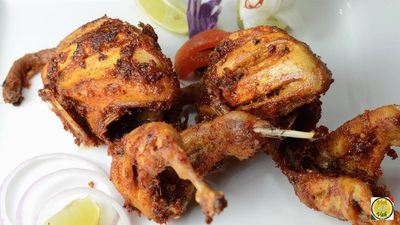
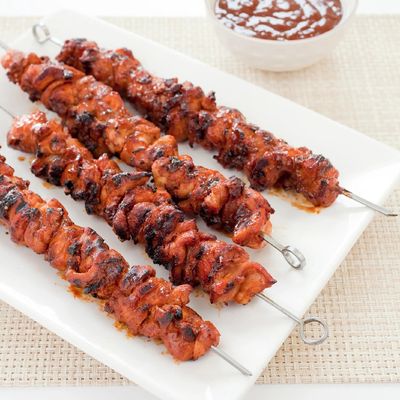
The flavour you'd get at a Melbourne charcoal-chicken takeaway, distilled into something you can run at home with a heavy pan instead of a rotisserie. You build a mostly-dry rub from the pantry: garlic powder, onion powder, sweet paprika, mustard powder, dried oregano, and a small amount of curry powder for the warmth that defines suburban-Australian charcoal-chicken shops. The rub wets out with olive oil and a generous squeeze of lemon, and the chicken thighs go in to marinate for twelve to twenty-four hours so the salt and spices penetrate properly. Thread onto skewers, sear hot in batches, rest briefly under foil so the juices settle. The lemon at the table is non-negotiable. Serve with warm flatbread, a chopped salad and a garlic-yogurt or hummus on the side, the kind of plate that arrives wrapped in butcher's paper at the takeaway.

Australian 24 hours 35 minutes Serves4-5
← Prev Page 1 of 6 Next →