In season

May produce

Tap any item to find recipes that use it.

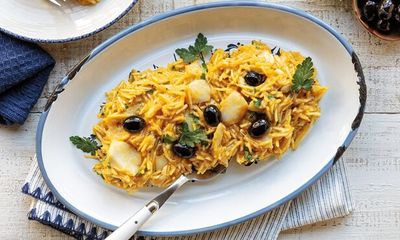
Bacalhau à Brás

Bacalhau à Brás

Bacalhau à Brás is the dish Portugal turns to when the salt cod, the onions and the eggs all need to find their place in one pan: scrambled together with a tangle of fine matchstick chips so the whole thing reads as somewhere between a hash and a loose carbonara. The salt cod needs the usual day or two of cold soaks to draw the salt down, then a brief simmer to soften it; the onions take their time in olive oil with a few smashed garlic cloves until almost jam-like; the matchstick chips (palha) are fried separately so they stay crisp. Everything comes together in a wide pan, the eggs are whisked in over a low heat, and you stop the moment the eggs coat the cod and potato like a sauce. Never let them set firm. Olives, parsley and a wedge of lemon at the table.

Portuguese 45 minutes Serves4
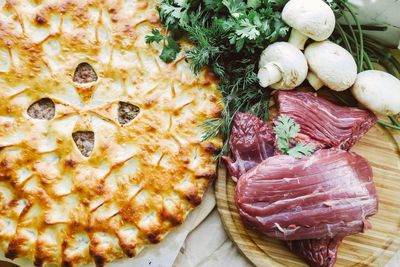
Beef Meat Pie

Beef Meat Pie

Australia's hand-held lunch and the unofficial national snack: hot beef gravy in a shortcrust base under a flaky puff lid, eaten standing up at the footy with tomato sauce running down your wrist. You build the filling like a thick gravy: minced beef cooked down with onion, beef stock, Worcestershire, tomato and a dark roux until it's sliceable when cool. The cold-filling trick is the one rule a pie shop never breaks: never fill a pie case with hot, loose gravy, because the bottom will go soggy in the oven and your pie will leak the moment you bite it. The chilled filling goes into shortcrust bases, gets a puff pastry lid crimped sharp at the edge, and bakes hot until the top is bronzed and shattering. Eat hot from the bag with a squeezy bottle of tomato sauce, or build a proper plate around it with mushy peas and gravy.

Australian 2 hours 40 minutes Serves6
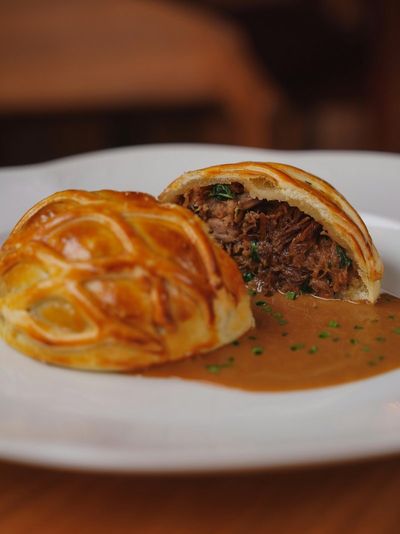
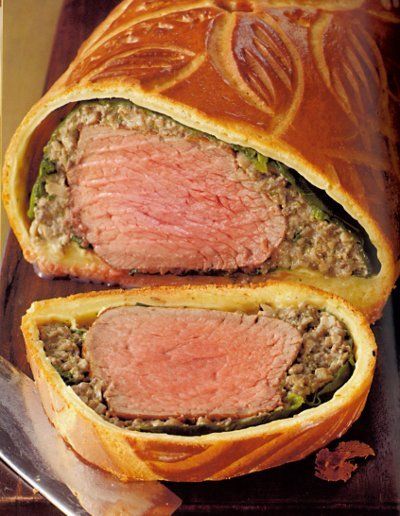
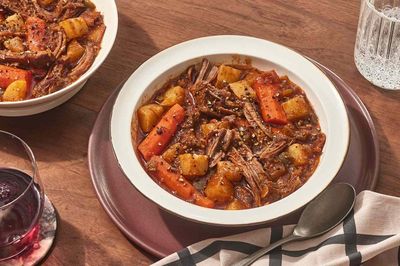
Beef Wellington

Beef Wellington

The defining British dinner-party showpiece, somewhere between French haute cuisine and English roast tradition, made famous in the modern era by Gordon Ramsay even if the Iron Duke himself probably never ate it. You sear a centre-cut beef fillet hard for colour, smear it with English mustard, wrap it in a tight blanket of mushroom duxelles and prosciutto, then encase the lot in all-butter puff pastry and roast at high heat. The pastry insulates the beef so it cooks gently to medium-rare while the crust crisps to deep mahogany above. The one technical trick the recipe insists on is drying the duxelles thoroughly so the pastry stays crisp underneath rather than going soggy from leaking mushroom water. Sliced at the table into thick rosy rounds, with a red-wine jus and roasted root vegetables on the side, the kind of plate that makes the evening feel like a special occasion before anyone says it.

British 1 hour 55 minutes Serves6
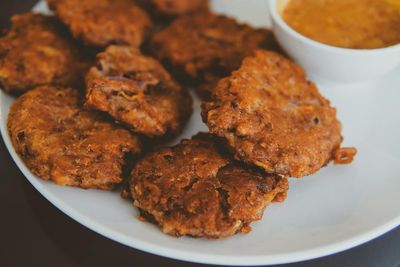
Conch Fritters

Conch Fritters

The Bahamian fish-shack starter that every visitor to Nassau or the Out Islands ends up trying within a day of arrival. You pound the conch briefly to tenderise it, then chop it fine and mix with diced onion, green and red pepper, celery, fresh chilli and herbs. A thick batter of flour, baking powder, milk and egg binds the lot into a holdable spoonful. Drop golf-ball-sized scoops into hot oil and fry until they're deep gold and crisp at the edges. The pink dipping sauce comes together in thirty seconds (mayo, ketchup, hot sauce, a squeeze of lime) and is half the reason anyone orders fritters in the first place. Eaten standing up at a beachside hut with a cold beer or a glass of sky juice, lime wedges on the side, the sea twenty feet away.

Bahamian 45 minutes Serves4
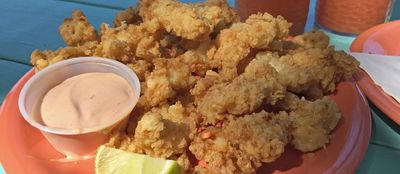
Cracked Conch

Cracked Conch

The Bahamas' fried-fish answer to the seafood basket, the dish you'll find on every island fish-fry menu from Arawak Cay to Spanish Wells. You pound cleaned conch between sheets of cling film with a meat mallet until it's thin and tender (the cracking is literal - the muscle fibres have to break before the conch is anything you'd want to eat), then season it well, dip in seasoned flour and a beaten-egg batter, and shallow- or deep-fry until golden and crisp at the edges. The flesh inside stays sweet and just-tender, with the same chew that prawns have at their best. Served with fat lime wedges to squeeze over, a citrus-cabbage slaw to cut the richness, and whatever peppered hot sauce the cook keeps on the shelf for it. Cold beer alongside; an afternoon at the beach already half over.

Bahamian 40 minutes Serves4
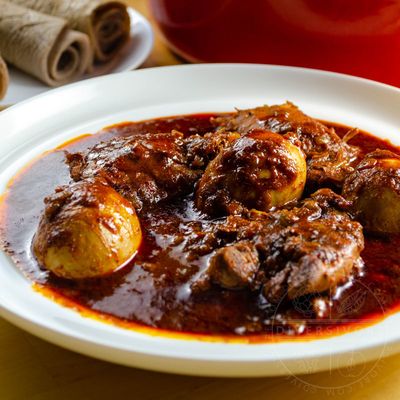
Doro Wat

Doro Wat

Ethiopia's national dish, the spiced chicken stew that turns up at every wedding, Easter feast and Christmas table, and the one dish a cook is judged on. The foundation is the onion - you cook it down slowly for nearly an hour into a deep dark base, and this is the step that decides whether the wat is great or merely acceptable. Berbere (the Ethiopian spice blend of chilli, fenugreek, ginger and a dozen others) and niter kibbeh (spiced clarified butter, the dish's defining fat) fold in. Chicken thighs and legs simmer in the deep red sauce, and hard-boiled eggs join late, scored with a knife so they take on the colour and the flavour. Eaten communally from a single platter, with injera flatbread torn into pieces to scoop the stew. No cutlery, no individual plates, hands clean before the meal.

Ethiopian 2 hours Serves4-6
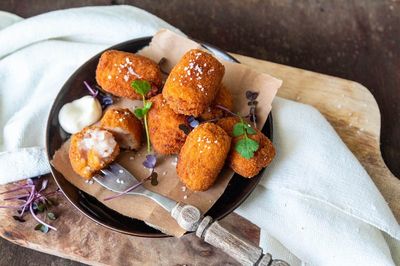
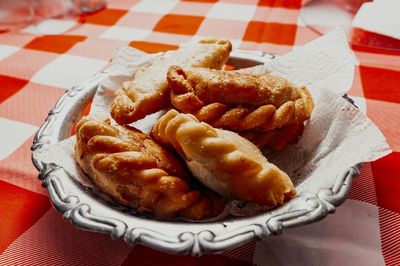
Empanadas de Pino

Empanadas de Pino

Chile's national pastry, the half-moon empanada that turns up at every Independence Day asado and most Sunday lunches. The pino filling is the dish's identity: knife-chopped beef (not minced - the texture matters), browned, then slow-cooked with three times its weight of onion until the onion melts into the meat and the whole mixture turns dark and sweet. Cumin, paprika, oregano and ají de color season it, and the filling rests overnight ideally so it firms up and slices cleanly. The dough is rich and buttery, made with flour, butter, lard, egg yolks, salt and warm milk. Each empanada wraps a generous spoonful of pino with a hard-boiled egg quarter, a black olive and a couple of raisins, then folds, seals, and bakes at 200°C until deeply burnished. Eaten with a glass of Chilean red.

Chilean 2 hours Serves6
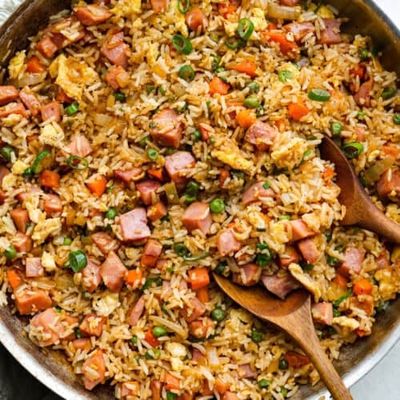
Fried Rice

Fried Rice

Fried rice is fundamentally about texture contrast: individual grains coated entirely with hot oil, remaining crispy and separate, never clumped or greasy. Success requires three critical elements: Cold rice (overnight-refrigerated best), sufficiently hot oil (nearly smoking), and a light hand with seasonings. The beaten egg is never pre-cooked; instead, it's added raw to the hot rice and oil where residual heat cooks it silkily, coating the grains. Bean sprouts provide fresh textural contrast. This is not comfort food; it's refined technique applied to simple ingredients.

Chinese 10 minutes Serves600
Jamaican Curry Chicken Wings

Jamaican Curry Chicken Wings

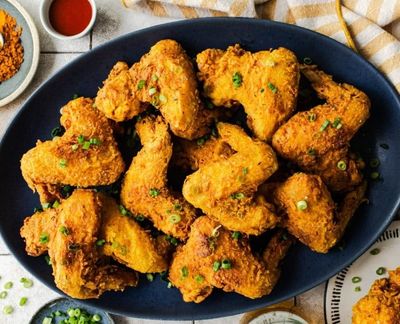
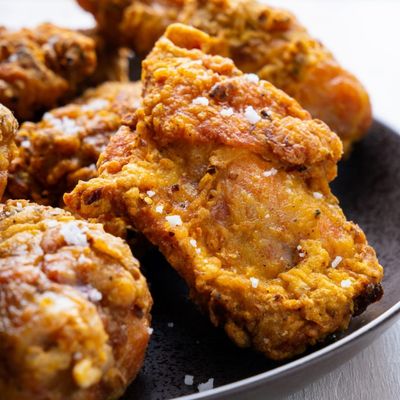
Buttermilk-fried wings in the American Southern tradition, with a Caribbean accent twice over: Jamaican curry powder folded into both the marinade and the dredge, and a pinch of allspice in the breading. The flavour is warm and earthy rather than sharp, turmeric and allspice are the dominant notes, with Creole Cajun seasoning bridging the Caribbean and Louisiana sides of the dish. The cornstarch in the dredge is the technical move; mixing flour with about 15% cornstarch produces a thinner, crisper, more crackly crust than flour alone, the same trick Korean fried chicken uses. The buttermilk overnight brine tenderises and lets the flavour penetrate down to the bone. Smell out of the fryer is curry powder hitting hot oil. Not difficult but you need patience: 6-hour marinade minimum, careful oil temperature management (165°C / 330°F is lower than typical fried chicken; the wings need long enough to cook through to the bone before the crust browns). A clear example of cross-pollination between Jamaican kitchens and the American South.

Jamaican 6 hours 45 minutes Serves4
← Prev Page 1 of 3 Next →