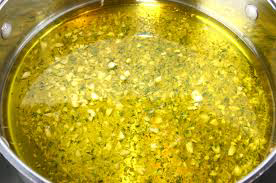
Lemon and Mint Vinaigrette
This light, herbaceous vinaigrette balances bright lemon with cool mint. Simple and elegant, it's perfect with watercress and delicate spring greens.
Overview
This vinaigrette skips traditional vinegar in favor of fresh lemon juice paired with mint. The result is exceptionally light and fresh, perfect for delicate greens. Minimal cooking at its finest; just whisk together quality ingredients. Mint leaves are scattered on top just before serving, preserving fresh aromatics.
Ingredients
Base
- 2 lemons (zest and juice)
- 6 tablespoons groundnut oil
- 6 fresh mint leaves (snipped just before use)
- Fine sea salt and freshly ground black pepper (to taste)
Method
Stage 1 - Prepare Lemon
- Wash lemons and zest using microplane.
- Squeeze lemons; aim for 3-4 tablespoons fresh juice.
- Measure about 1 tablespoon lemon zest.
Stage 2 - Combine Base
- Pour lemon juice into small bowl.
- Add 1 tablespoon lemon zest, pinch of salt, and pinch of pepper.
- Whisk vigorously for 1 minute.
Stage 3 - Add Oil
- While whisking continuously, add 6 tablespoons groundnut oil in slow stream.
- Whisk until all oil is incorporated and vinaigrette emulsifies.
Stage 4 - Taste & Adjust
- Taste on a piece of salad green.
- Adjust salt, pepper, or add additional lemon juice as needed.
Stage 5 - Add Mint
- Snip 6 fresh mint leaves with scissors just before serving.
- Scatter over top of vinaigrette just before dressing salad.
- Do not whisk in; keep leaves visible.
Notes
- Fresh Mint Essential: Dried mint has no character; use only fresh.
- Mint Timing: Add just before serving, whisking damages delicate leaves.
- Lemon Juice Quality: Fresh juice is non-negotiable; bottled lacks complexity.
- Light Dressing: Use less than traditional (1-2 tablespoons per serving).
- Zest for Brightness: Adds visible citrus character and oils that deepen flavor.
- Delicate Greens Only: Will be overwhelmed on hearty lettuces.
Variations
With Lime: Replace lemon with lime. Extra Herbaceous: Add ½ teaspoon fresh basil or tarragon. With Shallot: Add 1 finely minced shallot for depth. Extra Lemon: Increase juice to 4-5 tablespoons. With Honey: Add ¼ teaspoon honey to balance acidity.
Serving
Use with: Watercress, spring greens, delicate lettuces, baby spinach, tender arugula Dressing ratio: 1-2 tablespoons per serving Temperature: Room temperature Timing: Dress just before serving
Storage
- Refrigerate in sealed glass jar for up to 2-3 days
- Mint will fade and darken; discard if stored separately
- Without mint, base keeps 3-4 days
- Add fresh mint just before serving
- Do not freeze; citrus oils degrade
- Best consumed fresh
More like this

Bombay Potatoes
Bombay Potatoes is comfort food at its finest. Small potatoes are partially cooked, then coated in a richly spiced oil infused with seeds and aromatics. Some potatoes are mashed to create a creamy base, while others remain whole for texture. The result is a warm, golden, deeply spiced side dish that's utterly satisfying. This is a vegetarian staple of Indian home cooking.
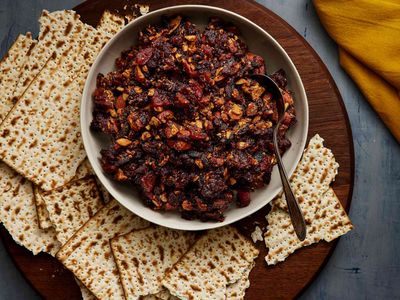
Charoset
The Ashkenazi version, simplest and most common in northern Europe and the United States: tart apples chopped fine, walnuts crushed coarse, cinnamon, a little brown sugar, and sweet kosher red wine to bind. Stirred together and left for the flavours to meld. Some households add a pinch of ground ginger or a squeeze of lemon. There are dozens of regional variants (Sephardi versions use dates and figs); this one is the most familiar at a North American seder.
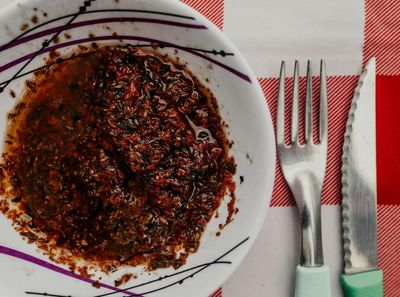
Chermoula
Coriander and parsley leaves blitz briefly in a food processor with garlic, cumin, paprika, saffron, salt and lemon juice. Olive oil drizzles in slowly to emulsify. Tasted; adjusted with more lemon, salt or cayenne. Used straight, or rested for 30 minutes for the flavours to settle. Keeps a week in a jar in the fridge.
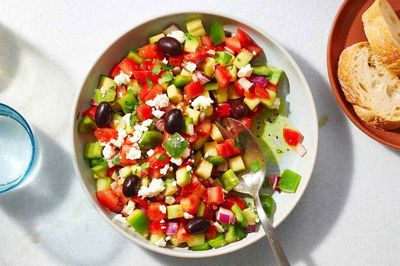
Choban Salata (Azerbaijani Shepherd's Salad)
The Azerbaijani version of the shepherd's salad that turns up in some form on every table from the Balkans to Persia, the bright herby counter to anything rich coming out of the kitchen. You dice tomatoes, cucumber and red onion to five-millimetre cubes (smaller than a typical chopped salad, almost a relish) and chop the herbs fine: dill, mint and tarragon, the tarragon being the move that distinguishes the Azeri version from its neighbours. Everything tosses together with olive oil, lemon juice and salt about fifteen minutes before serving, so the salt draws the tomato juice out and the salad relaxes into itself. Best the same day; the salad weeps if held overnight. Eat with grilled meat, with plov, with lavash, with whatever the main is.