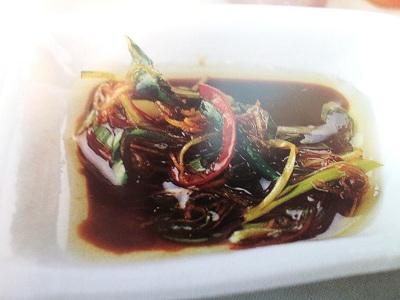
Ginger and Chilli Sauce for Sashimi
For sashimi, it is essential to use extremely fresh, good quality salmon and tuna. Cut into diamonds, about 5 mm thick, arrange on a platter and serve with this sauce.
Overview
A vibrant, aromatic sauce that showcases the clean heat of fresh chilli balanced with pungent ginger and umami-rich soy. Hot oil poured over the ingredients creates a fragrant, warming sauce that is the perfect accompaniment to pristine raw fish.
Ingredients
Aromatics
- 1 tablespoon fresh ginger (very finely diced)
- 2 tablespoons spring onions (fine julienne)
- 1 red chilli (fine julienne)
Soy base
- 2 tablespoons dark soy sauce
- 2 tablespoons light soy sauce
- 1 tablespoon unrefined cane sugar
- 2 tablespoons Chicken Stock
Oils
- 1 tablespoon sesame oil
- 2 tablespoons groundnut oil
Method
Stage 1 - Prepare base
- Put all the ingredients, except the oils, into a large bowl.
Stage 2 - Heat oils
- In a small pan, heat the oils to between 80 and 100°C.
Stage 3 - Combine
- Pour the hot oil over the ingredients in the bowl, stirring with a fork.
- Mix well.
Stage 4 - Infuse & serve
- Cover the bowl with cling film and leave the sauce to stand for at least 20 minutes before serving.
- Stir before serving.
Notes
- Oil temperature: Critical for proper infusion; too cool and flavours don't release; too hot and aromatics burn.
- Rest time: Allows flavours to fully develop and oil to infuse with aromatics.
- Fresh sashimi requirement: This sauce demands top-quality, sushi-grade fish.
Serving
Serve with thinly sliced sashimi-grade salmon and tuna arranged on a platter. Also excellent with grilled fish or as a marinade for seafood.
Storage
- Keeps refrigerated for 1 day in an airtight container.
- Do not freeze; aromatics lose potency and oils separate.
- Best served at room temperature for optimal flavour.
More like this
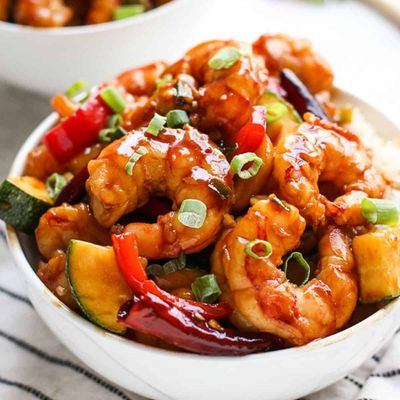
Kung Pao Shrimp
Kung pao (gongbao) shrimp is the seafood cousin of the classic Sichuan gongbao jiding, named for the 19th-century governor-general Ding Baozhen whose title was Gong Bao. Where the chicken version uses diced meat, the shrimp version keeps the prawns whole or halved so they curl into bright pink commas around the chillies and peanuts. The flavour profile is the signature Sichuan "lychee" balance: a touch of sweetness from sugar, sourness from black vinegar, salt and umami from soy, and the warm tingle (ma la) of toasted Sichuan peppercorn paired with the smoky bite of dried er jing tiao chillies. This is a fast dish, fundamentally a wok exercise: every ingredient must be prepped and lined up before the heat goes on, because once the chillies hit the oil you have maybe ninety seconds before everything is overcooked. Difficulty is moderate for a home cook with a working wok and high burner; the trick is keeping the chillies dark red and fragrant without scorching them black, and pulling the shrimp out the moment they curl. Served over plain rice it is one of the most rewarding ten-minute meals in the repertoire.
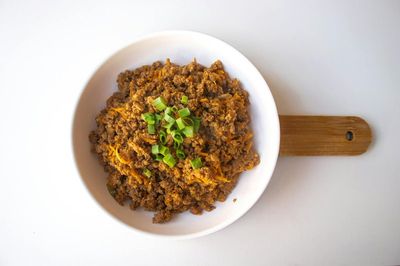
Shredded Beef with Chillies
The essence of this recipe lies in knife technique: the beef must be cut into very thin strips for authentic texture and rapid cooking. A brief freeze makes slicing easier and more uniform. The result is a dish of tender, fragrant beef balanced with fresh ginger, crisp vegetables, and bold chilli heat.
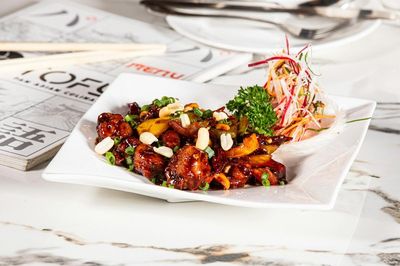
Spicy Chicken with Peanuts
This is a classic western Chinese dish better known in China as Gongbao chicken (or Kung Pao chicken). Named after Chinese official Ding Baozhen, Governor of Sichuan province in the nineteenth century, it represents the region's bold approach to flavour: spicy, slightly sour, sweet, and savoury all at once. The combination of roasted peanuts and dried chilli creates an unforgettable sauce.
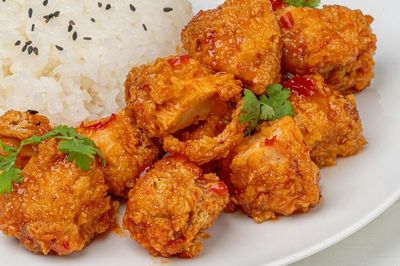
General Tso’s Chicken
This iconic American-Chinese dish combines deep-fried chicken with a sweet, spicy, and slightly tangy sauce. General Tso's chicken exemplifies the bold flavours of outside China Chinese cooking, where heat from dried chillies, sweetness from sugar, and complexity from vinegar create a sauce that is bold yet balanced. Restaurant-quality results require proper oil temperature and crispy, well-coated chicken.