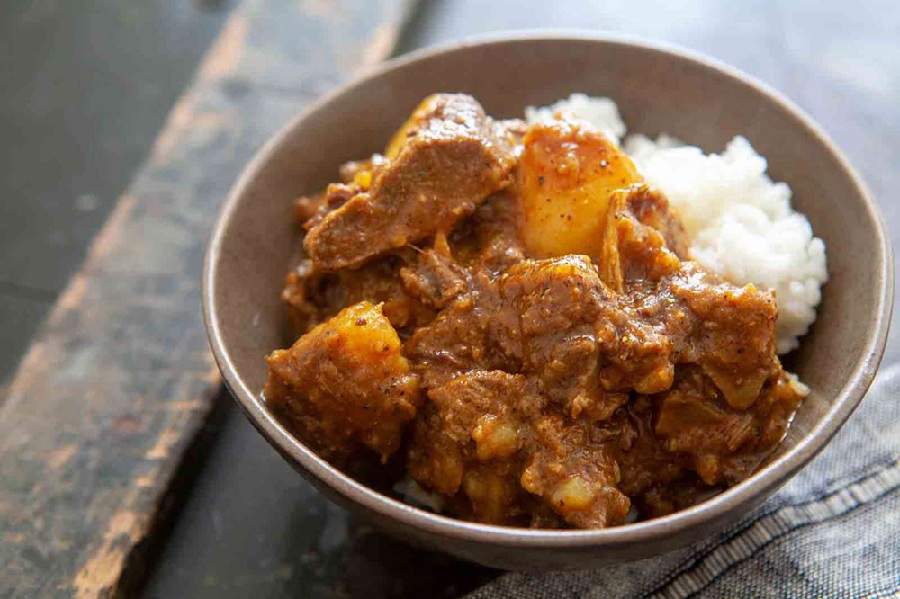
Trinidadian Curry Goat
The Sunday curry, the wedding curry, the rum-shop curry. Bone-in goat marinated in Caribbean green seasoning, then bunjayed down with Trinidadian curry powder and a whole Scotch bonnet until the meat slides off the bone and the gravy clings dark and golden. Roti on one side, white rice on the other.
Overview
Trinidadian curry goat sits in a quiet rivalry with Jamaican curry goat, but the two are different dishes. Jamaican curry goat is built on Madras-style curry powder, scotch bonnet and allspice with little coconut and a wetter finish. Trinidadian curry goat is built on a fresh blend of green seasoning (a herb-and-aromatic puree of culantro, thyme, garlic, chives and onion), Caribbean curry powder (which leans heavily on amchar masala and roasted geera), and the bunjay technique of frying the curry paste in oil until it splits before the meat goes in. The result is a darker, herbier, drier curry that hugs the bone rather than pooling around it. Kid goat is the preferred meat; older mutton-goat works but takes longer. UK home cooks can usually find kid goat at Caribbean butchers, Halal butchers and many Asian supermarkets in the chilled or frozen section. Bone-in pieces are essential for flavour and gelatin. Lamb shoulder on the bone makes an honest substitute. Difficulty is low to moderate; the cook is mostly long and passive once the curry is bunjayed. Serve with paratha-style "buss-up-shut" roti, dhalpuri roti, white rice, or coconut rice.
Ingredients
Goat and marinade
- 1.3 kg bone-in kid goat (or lamb shoulder), cut into 4-5 cm pieces
- 1 lime (juiced)
- 3 tbsp Caribbean green seasoning
- 1 tsp salt
- ½ tsp freshly ground black pepper
Curry paste
- 4 tbsp Caribbean curry powder (Chief or Turban brand if available)
- 1 tsp ground turmeric
- 1 tsp ground roasted geera (cumin)
- 1 tsp anchar masala (or garam masala)
- 6 tbsp water
Pot
- 4 tbsp neutral oil
- 1 onion (large, finely chopped)
- 8 garlic cloves (minced)
- 25 g fresh ginger (grated)
- 2 sprigs fresh thyme
- 1 Scotch bonnet (pricked once, whole)
- 1 tomato (medium, grated, optional)
- 600-800 ml water (or light stock)
- 2 potatoes (medium, peeled and quartered, optional)
- Salt, to taste
- Small handful chopped chadon beni (or coriander), to finish
Method
Stage 1 - Wash and marinate
- Place the goat pieces in a large bowl. Pour over the lime juice and add enough cold water to cover. Swish and drain. This is the Caribbean wash; it removes any blood and game.
- Pat the meat dry and return to the bowl. Add the green seasoning, salt and pepper. Mix well, rubbing the seasoning into every piece.
- Cover and refrigerate at least 2 hours, ideally overnight.
Stage 2 - Mix the curry paste
- In a small bowl, stir the curry powder, turmeric, roasted geera and anchar masala with the 6 tbsp water to make a loose paste. Set aside.
Stage 3 - Bunjay the curry
- Heat the oil in a heavy, lidded pot over medium heat.
- Add the onion and cook 4-5 minutes until soft.
- Stir in the garlic, ginger, thyme and whole Scotch bonnet. Cook 1 minute.
- Pour in the curry paste. Stir constantly for 2-3 minutes. The paste will sputter, then the oil will start to separate around the edges and the colour will darken from yellow to a deeper rust-orange. This is the bunjay step and it is the most important moment in the cook.
- Add the grated tomato if using and cook another minute.
Stage 4 - Sear the goat
- Increase the heat to medium-high. Add the marinated goat with all its seasoning.
- Stir to coat every piece in the curry paste. The meat will release its juices.
- Cook 5-6 minutes, stirring, until the meat changes colour all over and the pan juices reduce by half.
Stage 5 - Braise
- Add enough water (600-800 ml) to come about ¾ of the way up the meat. Bring to a simmer.
- Cover and braise on low heat for 1 ¼ to 1 ½ hours, stirring every 20-25 minutes, until the goat is fork-tender and pulls easily from the bone. Kid goat usually takes 1 ¼ hours; older goat or mutton wants 1 ¾ to 2 hours.
- If you are adding potatoes, drop them in for the final 25 minutes.
Stage 6 - Finish
- Uncover and check the gravy. It should cling rather than swim; if too loose, raise the heat and reduce 5-10 minutes. If too thick, splash in more water.
- Discard the thyme stems and Scotch bonnet (or chop a little of it back in if you want extra heat).
- Taste for salt. Scatter chadon beni or coriander over the top.
Notes
- Bone-in goat: the bones are where the flavour and the body of the gravy come from. Boneless goat curry is a different (thinner) dish. Lamb shoulder is the closest substitute if goat is unavailable.
- Bunjay properly: if you add the meat before the curry paste has split (oil separating, colour darkened), the curry will taste raw and chalky no matter how long it cooks. Two to three minutes of patient stirring at the start saves you everything later.
- Scotch bonnet whole, not chopped: a whole pricked scotch bonnet gives perfume and modest heat. A chopped one turns this into a fire-eating contest.
- Roasted geera (cumin): dry-toast whole cumin seeds in a pan until almost burnt then grind. The slightly bitter, smoky note is a Trinidadian curry signature and you cannot fake it with plain ground cumin.
Variations
Curry mutton: Same recipe with adult mutton goat; cook 1 ¾ to 2 hours. Curry duck: Replace goat with bone-in duck pieces; cook 1 ¼ hours. A rum-shop classic. No-potato version: Trinidadian curry goat is often served without potatoes when paired with roti; keep them in only if you are serving with rice.
Serving
Serve with buss-up-shut paratha roti, dhalpuri, or plain white rice. A simple cucumber-and-tomato chow salad, a spoon of mango chutney and a bottle of homemade pepper sauce complete the plate. A cold beer or a sorrel drink alongside.
Storage
- Improves dramatically overnight; the gravy thickens and the flavour deepens. Keeps 3-4 days refrigerated.
- Reheat in a covered pan with a splash of water.
- Freezes well up to 3 months. Defrost overnight in the fridge and reheat slowly.
Recipes mentioned here
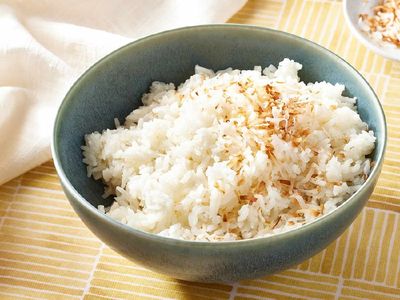
Coconut Rice
Plain steamed rice (often last night's leftovers) is the base. A hot temper of mustard seeds, urad dal, chana dal, cashews, dried red chilli and curry leaves is bloomed in coconut oil, then fresh grated coconut is folded in and warmed through. The rice is tossed through everything off the heat, so the grains stay separate and pick up flavour rather than soften.
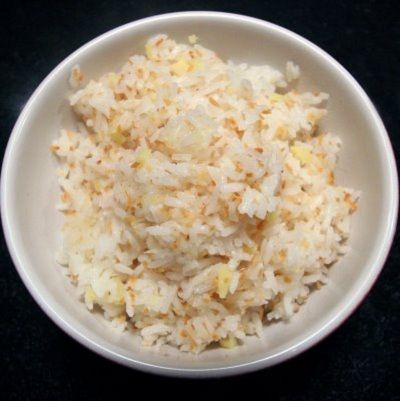
Coconut Rice
Coconut rice represents the intersection of technique and flavor in Indian cooking. The tempering of mustard and cumin seeds in hot oil releases their volatile aromatics, which then permeate the rice as it cooks. Curry leaves contribute herbaceous depth without overwhelming the dish. Coconut cream adds richness and subtle sweetness, creating a rice that's inherently interesting yet supportive of spiced dishes. The final resting period is crucial, steam completes the cooking while the flavors meld. This rice should taste aromatic with individual grains remaining separate.
More like this
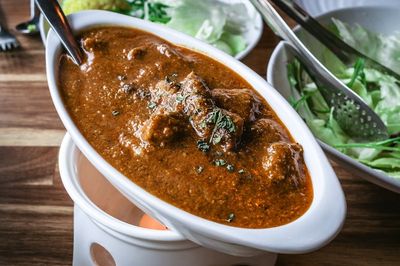
Lamb Achari
A Punjabi-inspired achari curry featuring pickle spices like panch poran and dried chillies, balanced with sweet mango chutney and tangy lime pickle. This dish captures the essence of Indian pickles in a rich, flavorful lamb curry.
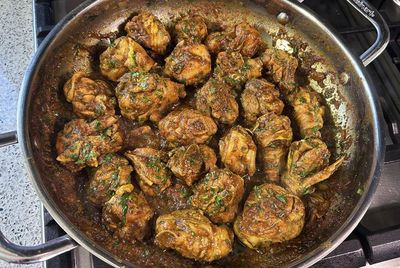
Bunjay-Style Curry Chicken
A dry curry rather than a saucy one, "bunjay" is Trinidadian patois for "fry-down", the technique of cooking meat in its own juices until the gravy completely disappears and the spices coat the surface of the meat in a sticky, glaze-like crust. The flavour is concentrated rather than diluted; nothing's been thinned with water or coconut milk, so what you taste is bone-in chicken, rendered chicken fat, and toasted spice. The spice mix is the East Indian Trinidadian signature: turmeric for colour and earth, roasted geera (toasted cumin, ground) for nuttiness, anchar masala for tang, regular curry powder for breadth. The pan oil splits and separates around the chicken at the end, which is the visual cue you're looking for. Smell when the curry powder hits hot oil is deeply aromatic, almost incense-like. Not difficult but it requires attention during the cook-down phase; if you walk away the curry burns onto the bottom of the pan. A Trinidadian household staple, eaten across the country with white rice and dhal, and a clean example of how Indian indentured labourers' descendants in the Caribbean evolved a distinct curry tradition over 150 years.
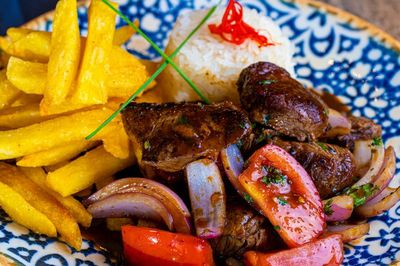
Lomo Saltado
Beef strips are marinated briefly in soy and aji amarillo paste. Fries are cooked separately, pre-fried, set aside. The wok hits high heat; beef is seared in batches; red onion and tomato are added briefly so they keep their bite; soy, vinegar, lime and stock are poured in to sauce. The fries go in last, just before serving, a 30-second toss so they pick up flavour without going soggy.
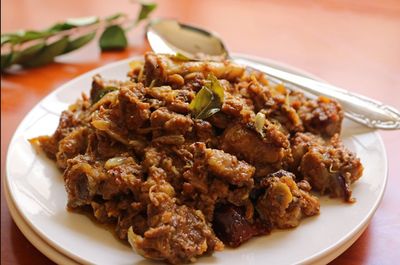
Mutton Sukka
Lamb chunks are braised gently with turmeric, ginger-garlic paste and a small handful of whole spices until tender. A separate pan toasts a Chettinad-style spice blend (black pepper, fennel, coriander, cumin, dried red chillies, fresh grated coconut) and grinds it to a coarse paste. The braised lamb is folded into a base of fried onion and curry leaves, the masala paste added, and the dish cooked uncovered until all the liquid has gone and the spice has caked onto the meat.