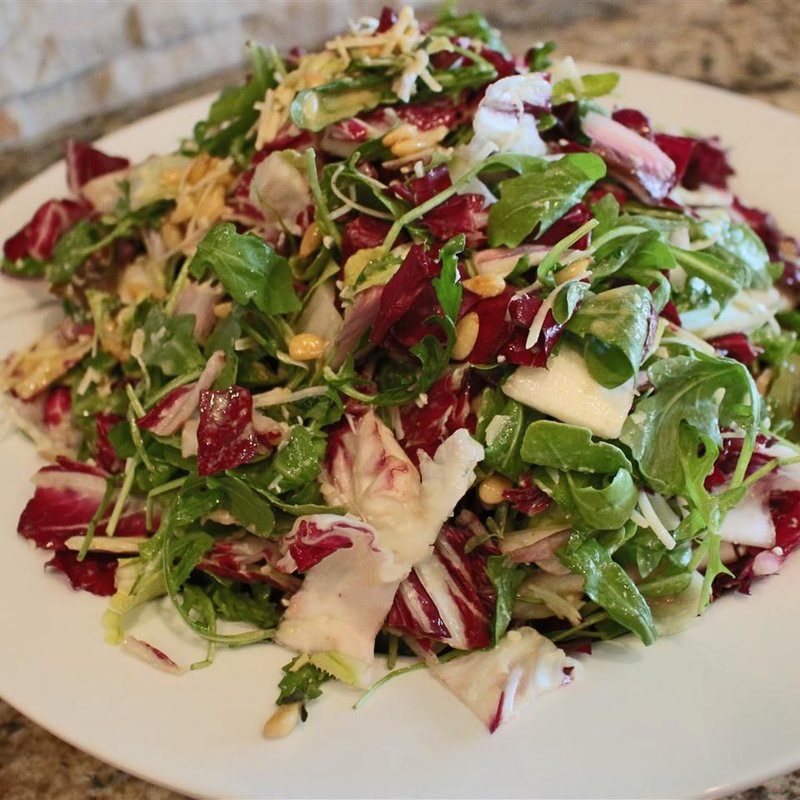
Insalata Tricolore
The Italian flag on a plate: thick slices of ripe tomato, slabs of mozzarella di bufala, whole basil leaves and a slick of olive oil.
Overview
The dish is an assembly, not a recipe. The four ingredients (tomato, mozzarella, basil, olive oil) all need to be the best you can afford, that's the whole technique. Tomatoes at peak ripeness, sliced 1 cm thick; mozzarella di bufala torn or sliced fresh from the brine; large whole basil leaves; cold-pressed extra-virgin olive oil. Layered on a plate alternating tomato slices with mozzarella, basil leaves tucked between, salt and pepper, finished with olive oil. Eaten with crusty bread.
Ingredients
- 4 ripe medium tomatoes (about 600 g, ideally a mix of colours - beef, plum, cherry on the vine - the best you can find)
- 250 g mozzarella di bufala (1 large ball, in its brine - NOT cooking mozzarella, NOT pre-grated)
- 1 large bunch fresh basil (about 30 g, leaves whole)
- 4 tablespoons first-cold-press extra-virgin olive oil (use the best in your cupboard - this is its showcase)
- 1 teaspoon flaky sea salt (Maldon or similar)
- ½ teaspoon coarsely cracked black pepper
- Crusty bread to serve
Optional
- ½ teaspoon dried oregano (the herb is not traditional in classic tricolore but common in southern variations)
- 1 tablespoon aged balsamic vinegar (drizzled at the end - not authentic to tricolore but widely tolerated; thick aged balsamic only, not balsamic-style)
Method
Stage 1 - Bring everything to room temperature
- Mozzarella from the fridge needs 30 minutes at room temperature to soften - cold mozzarella is rubbery and tasteless.
- Tomatoes also benefit from room-temperature serving; their volatile aromatics are dulled by refrigeration. (Ideally tomatoes shouldn't see the fridge at all.)
Stage 2 - Slice
- Tomatoes: slice into 1 cm thick rounds, discarding the very top and bottom slices. If using mixed sizes, halve cherry tomatoes.
- Mozzarella: lift from the brine; pat dry briefly with a tea towel; slice into 1 cm slabs (or tear by hand into rough chunks).
- Basil: pick the leaves whole - don't chop.
Stage 3 - Plate
- On a wide flat platter, arrange overlapping slices alternating tomato and mozzarella in a row, fan or circle pattern (the tricolore visual).
- Tuck a few basil leaves between each pairing.
- Scatter a couple more leaves on top for height.
Stage 4 - Dress
- Drizzle olive oil generously across - about 4 tablespoons total, in a thin even stream.
- Sprinkle flaky salt over the tomatoes (the salt draws out their juices, which mingle with the oil and become part of the dressing).
- Crack black pepper across.
- If using: scatter dried oregano, or drizzle balsamic in a final spiral.
Stage 5 - Serve immediately
- Eat within 10 minutes - the salt starts breaking down the tomato structure quickly, releasing more juice than you want sitting on the plate.
- Provide good bread to mop the tomato juices and olive oil pooled at the bottom of the platter.
Notes
- The four ingredients are the dish: Don't substitute fior di latte for buffalo mozzarella unless you must; the buffalo version has a creaminess and lactic tang that fior di latte lacks. Don't use dried basil - you'd skip it instead. Don't use olive oil from a plastic bottle; this is the moment for a good Italian or Spanish DOP.
- No vinegar, no balsamic-glaze: Traditional tricolore is olive oil only. Balsamic vinegar (especially the thick syrup-like commercial "balsamic glaze") obscures the flavours of the four good ingredients. If you must use balsamic, aged true balsamico tradizionale only, applied sparingly.
- Room temperature, not chilled: Refrigerator-cold tomatoes are flavourless. The dish is at its best at the temperature of a Mediterranean summer kitchen - about 22°C / 71°F.
Storage
- Tricolore doesn't store. Make it; eat it within 30 minutes.
- The components keep separately for a day in the fridge if you absolutely must.
More like this
Restaurant-Style Ragù
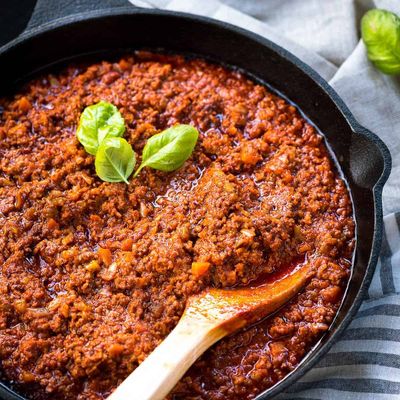
True ragu demands patience, precision, and respect for the process. Ground beef (or a beef and pork mix) browns deeply in batches to build caramelization without steaming. Aromatic vegetables soften slowly until sweet. Tomato paste darkens and concentrates its flavor through caramelization. Red wine deglazes and cooks off. Then comes the long, gentle simmer, 1 hour 45 minutes to 2 hours, where flavors meld and deepen into something far greater than the sum of its parts. This is not a quick sauce; it is an investment in excellence.
Fully Loaded Burrito
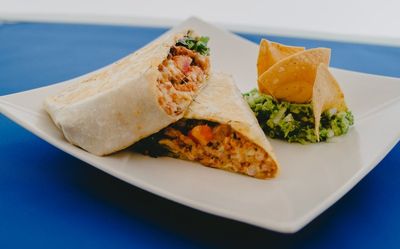
The fully loaded burrito is where all of your hard work and efforts come together to repay you in full. Packed with your choice of seasoned meat or vegetables, flavourful rice, smooth and filling beans, cheese, salsa and more, it's an entire meal wrapped up to go. This customizable template allows you to build your perfect burrito based on available ingredients and personal preference.
Beef Tagliata
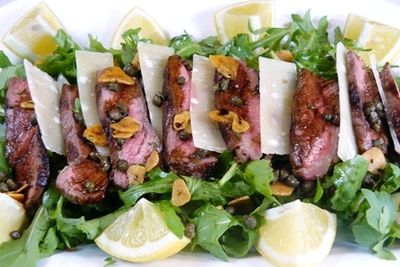
Beef Tagliata is an elegant simplicity itself: thick-cut sirloin seared until a golden crust forms, rested to retain its juices, then sliced thin. The accompanying rosemary-infused oil with lemon zest and juice creates a sophisticated dressing that adds depth without heaviness, while peppery rocket and Parmesan shavings provide textural contrast. This is a dish that celebrates the quality of the beef and the importance of proper technique.
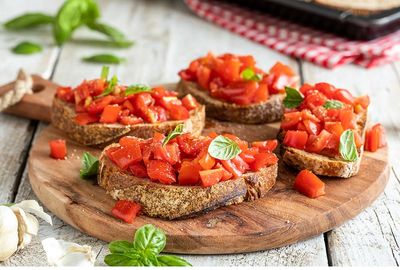
Bruschetta al Pomodoro
Cubed ripe tomatoes sit with salt, olive oil, basil and a touch of red wine vinegar for 30 minutes to release juice and meld. Country-style bread is sliced 2 cm thick and toasted hard on a grill, in a pan, or under a high broiler until both sides are deeply golden with charred edges. While still warm, each slice is rubbed with a raw garlic clove (the rough bread surface acts as a grater, embedding garlic essence into every fibre) and drizzled with extra-virgin olive oil. The macerated tomato mixture is spooned onto each slice; eaten within 60 seconds before the bread goes soft.