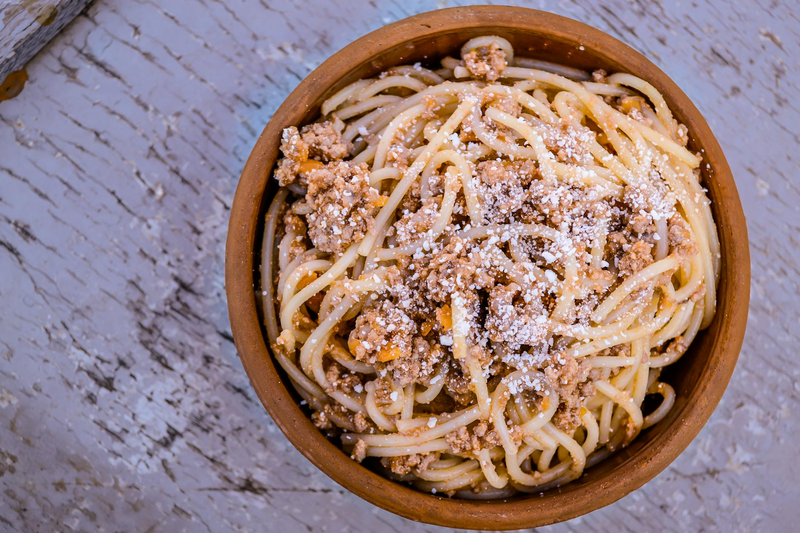
Bolognese
This rich, fragrant Bolognese sauce is the heart of Italian home cooking. Whether served over fresh pasta or layered in lasagne, its deep, complex flavor develops through patient, slow simmering. Homemade passata elevates this further.
Overview
Bolognese is Italy's classic meat sauce, built on a foundation of soffritto, the aromatic trinity of onion, carrot, and celery, combined with quality ground beef, wine, and tomato. The result is a rich, velvety sauce where individual ingredients dissolve into a cohesive whole greater than the sum of its parts. This is soul food, best made with time and attention.
Ingredients
Base & Aromatics
- 3 tablespoons olive oil
- 1 onion (peeled and finely chopped)
- 1 carrot (peeled and chopped)
- 1 celery stick (finely chopped)
- 500 grams minced beef
Liquid & Finishing
- 1 glass (150 ml) red wine
- 700 ml passata (homemade preferred)
- 1 tablespoon tomato purée
- salt
- pepper
Method
Stage 1 - Soffritto
- Heat olive oil in a large pan over medium-low heat.
- Add the chopped onion, carrot, and celery.
- Cover and allow to sweat gently for 8-10 minutes until soft and fragrant.
- Uncover and set vegetables aside.
Stage 2 - Brown Meat
- Add minced beef to the empty pan and cook for 5 minutes over medium-high heat.
- Stir continuously until the meat is colored all over and any liquid has evaporated.
- Drain off excess fat if necessary.
- Return vegetables to the pan and stir well.
- Season with salt and pepper, cook for another 5 minutes, stirring occasionally.
Stage 3 - Wine & Simmer
- Pour in the red wine, stir well, and cook for 3 minutes to allow alcohol to evaporate.
- Add the passata and tomato purée, stir to combine.
- Lower the heat to a bare simmer.
- Cook uncovered for at least 1 hour, preferably 2, stirring occasionally.
- After about 30 minutes, taste and adjust seasoning.
Notes
- Slow Cooking: The longer the sauce cooks, the richer and more complex the flavor becomes. Two hours is superior to one hour.
- Soffritto: The initial gentle cooking of the vegetables builds a sweet, aromatic foundation essential to the sauce.
- Ground Beef: Quality matters; use freshly ground if possible. A beef and pork mix adds depth.
- Passata Choice: Homemade or freshly made passata produces far superior results to canned tomatoes.
Variations
With Pancetta: Add 75g finely chopped pancetta, cooked first to render its fat, for deeper flavor. Richer Version: Include 100ml of whole milk in the final 20 minutes of cooking for a silkier texture.
Serving
Serve with: Fresh pasta (spaghetti, tagliatelle), lasagne sheets, or polenta Garnish with: Freshly grated Parmesan, fresh basil, and a drizzle of olive oil
Storage
- Keeps 5-7 days refrigerated in an airtight container
- Freezes excellently up to 3 months
- Actually improves in flavor after 24 hours; ideal make-ahead
More like this
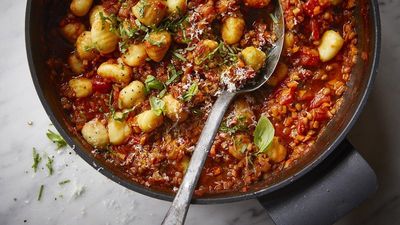
Ragù with Gnocchi
This ragù blends deep browning, layered aromatics, and a long, gentle oven braise to create a sauce with rich umami, silky texture, and balanced brightness. A two-milk finish adds softness, while a quick red wine gastrique lifts the sauce at the end.
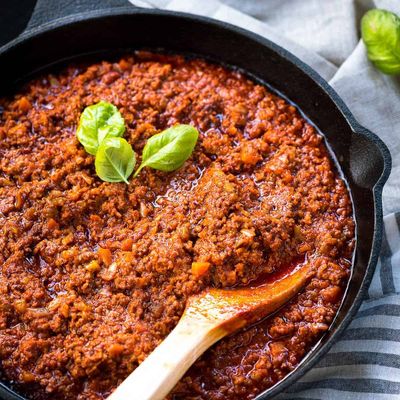
Restaurant-Style Ragù
True ragu demands patience, precision, and respect for the process. Ground beef (or a beef and pork mix) browns deeply in batches to build caramelization without steaming. Aromatic vegetables soften slowly until sweet. Tomato paste darkens and concentrates its flavor through caramelization. Red wine deglazes and cooks off. Then comes the long, gentle simmer, 1 hour 45 minutes to 2 hours, where flavors meld and deepen into something far greater than the sum of its parts. This is not a quick sauce; it is an investment in excellence.
Chilli con Carne
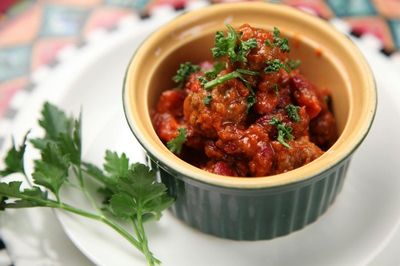
Chilli con carne is a hearty, flavour-packed stew that celebrates bold Mexican spicing combined with slow-cooked beef, beans, and tomatoes. This version builds deep, complex flavours through toasted whole spices, umami ingredients (marmite and soy sauce), and slow simmering. The result is a comforting, warming dish that improves with time and is perfect for feeding a crowd.
Jewish Brisket
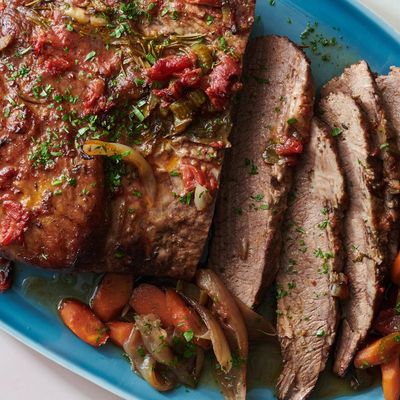
This is the brisket that anchors every Ashkenazi holiday table - Rosh Hashanah dinner, the Passover seder, a Friday-night Shabbat. You sear the meat hard until the surface is mahogany, then build a slow braise on its rendered fat: onions caramelised down to gold, garlic and tomato paste deepened with paprika and brown sugar, wine and stock pulling the lot together. The brisket goes back in fat-side up and the pot disappears into a low oven for three hours plus, until a fork meets no resistance. The trick almost every recipe insists on is the overnight rest. You cool the meat in its sauce, slice it cold against the grain (warm brisket shreds, cold brisket slices clean), then reheat the slices in the sauce before serving. Spoon the onion-rich gravy generously over mashed potato, kasha or buttered egg noodles.