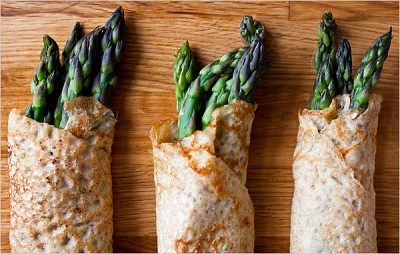
Herb Crêpes
France's savoury herb crepes: a thin pancake batter spiked with chopped chives, parsley and chervil.
Overview
Herb crêpes are thin, delicate pancakes enriched with fresh herbs such as parsley, chervil and chives. They are particularly useful in dishes like Beef Wellington, where they are layered between the meat and pastry to act as a moisture barrier and keep the pastry crisp. The rested batter ensures a smooth, even texture with a light, pliable result.
Ingredients
- 60 grams plain flour
- 150 ml milk
- 2 eggs
- salt
- pepper
- 15 grams chopped herbs (parsley, chervil, chives)
- 30 grams Clarified Butter (Beurre Clarifié)
Method
Making the batter
- Put the flour into a bowl and make a well.
- Add one-third of the milk, the eggs, a pinch of salt and a turn of the pepper mill.
- Mix lightly with a whisk to make a smooth batter, then pour in the rest of the milk and mix thoroughly.
- Pass the batter through a chinois or fine-meshed conical sieve.
- Cover with cling film and leave to rest for at least 30 minutes.
- Stir the herbs into the batter just before cooking the crêpes.
Cooking the crêpes
- Lightly grease a 26 - 30 cm frying pan with a touch of clarified butter.
- Give the batter a stir, then ladle in just enough to cover the base of the pan.
- Cook quickly for about 1 minute, then turn the crêpe over with a palette knife and cook for barely a minute.
- Repeat until you have used all the batter
- Stack the cooked crêpes on a plate, layering a piece of greaseproof paper between each one to prevent them from sticking together.
Notes
- Resting the batter for at least 30 minutes allows the gluten to relax, resulting in more tender, even crêpes.
- Sieve the batter through a fine-meshed chinois to eliminate lumps before resting.
- Stir the herbs in just before cooking, adding them earlier can discolour the herbs and affect the batter consistency.
- Use only a touch of clarified butter per crêpe; too much fat will prevent the crêpe from spreading thinly across the pan.
Serving
Serve with: used as a component in dishes such as Beef Wellington or other wrapped preparations; not typically served alone Temperature: room temperature when used as a wrapping layer; warm if served as a standalone crêpe Amount: 1-2 crêpes per person depending on use
Storage
- Stack cooled crêpes with greaseproof paper between each one to prevent sticking.
- Store wrapped in cling film in the refrigerator for up to 2 days.
- Freeze interleaved with greaseproof paper for up to 1 month; defrost at room temperature before use.
These crêpes work really well when sandwiched between meat and pastry, as it forms a protective layer beneath the pastry to help keep it dry and crisp.
Recipes mentioned here
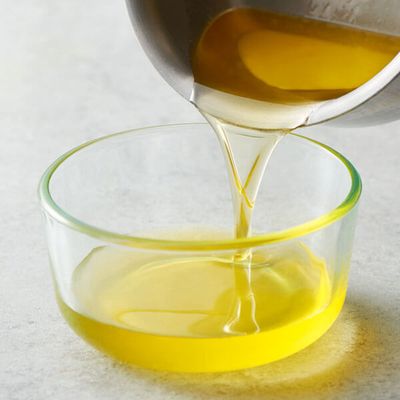
Clarified Butter (Beurre Clarifié)
Clarified butter is produced by gently melting butter and allowing its components to separate by density: water evaporates, milk solids either float or sink, and pure butterfat remains in the middle. The result is a clear golden liquid with a clean, buttery flavor and significantly higher smoke point (~450°F vs. ~350°F for regular butter). Essential for hollandaise, béarnaise, and high-heat sautéing.
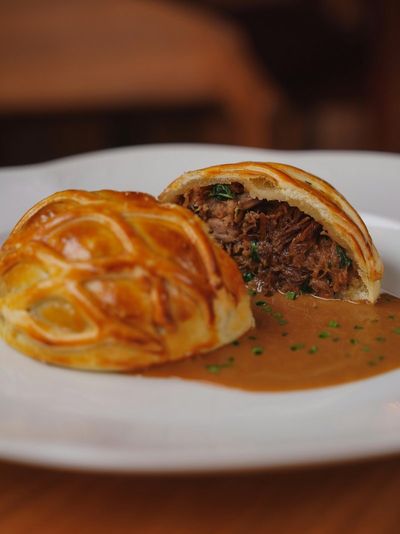
Beef Wellington
The defining British dinner-party showpiece, somewhere between French haute cuisine and English roast tradition, made famous in the modern era by Gordon Ramsay even if the Iron Duke himself probably never ate it. You sear a centre-cut beef fillet hard for colour, smear it with English mustard, wrap it in a tight blanket of mushroom duxelles and prosciutto, then encase the lot in all-butter puff pastry and roast at high heat. The pastry insulates the beef so it cooks gently to medium-rare while the crust crisps to deep mahogany above. The one technical trick the recipe insists on is drying the duxelles thoroughly so the pastry stays crisp underneath rather than going soggy from leaking mushroom water. Sliced at the table into thick rosy rounds, with a red-wine jus and roasted root vegetables on the side, the kind of plate that makes the evening feel like a special occasion before anyone says it.
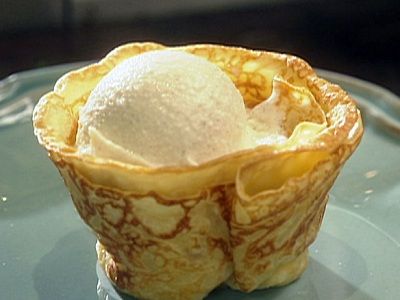
Crêpes
Classic French crèpes: delicate, tissue-thin pancakes with a tender crumb and subtle vanilla flavor, serving as the foundation for infinite sweet and savory variations. These timeless crèpes are fundamental to French cuisine yet require precision and practice to master, rewarding with elegant, versatile results.
More like this
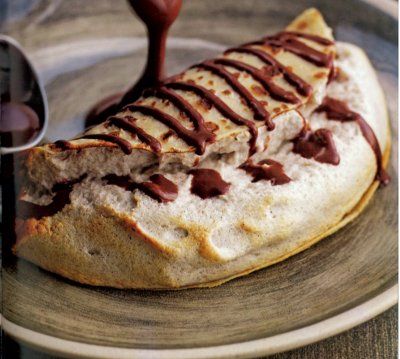
Banana Soufflé Crêpes with Chocolate Sauce
Delicate crèpes folded around a light banana soufflé mixture and baked until the soufflé rises impressively above the edges, creating a dramatic and sophisticated dessert. The combination of creamy banana flavor with the ethereal soufflé texture delivers luxury in every bite, finished with warm chocolate sauce.
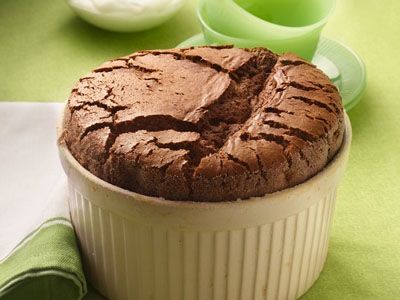
Chocolate Soufflé
A rich and airy chocolate soufflé that rises dramatically in the oven, creating a show-stopping dessert with a molten chocolate center. This classic French preparation requires precision timing and technique, but rewards you with an elegant and impressive dessert that looks far more complicated than it actually is.
Crêpes
Classic French crèpes: delicate, tissue-thin pancakes with a tender crumb and subtle vanilla flavor, serving as the foundation for infinite sweet and savory variations. These timeless crèpes are fundamental to French cuisine yet require precision and practice to master, rewarding with elegant, versatile results.
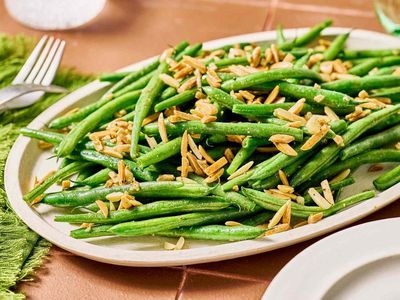
Green Beans Amandine
Trimmed green beans blanch in heavily salted boiling water for 3-4 minutes until just tender (still bright green and slightly crisp). Drained but not refreshed if serving immediately, the residual heat is wanted; if making ahead, refresh in ice water to stop cooking. Butter melts in a wide pan; flaked almonds toast in the butter until both go gold-amber together (the butter browns to beurre noisette / hazelnut butter). The blanched beans toss in the butter-almond pan over high heat for 1 minute; finished with a squeeze of lemon, a grind of pepper, optional Dijon mustard or garlic, and chopped parsley.