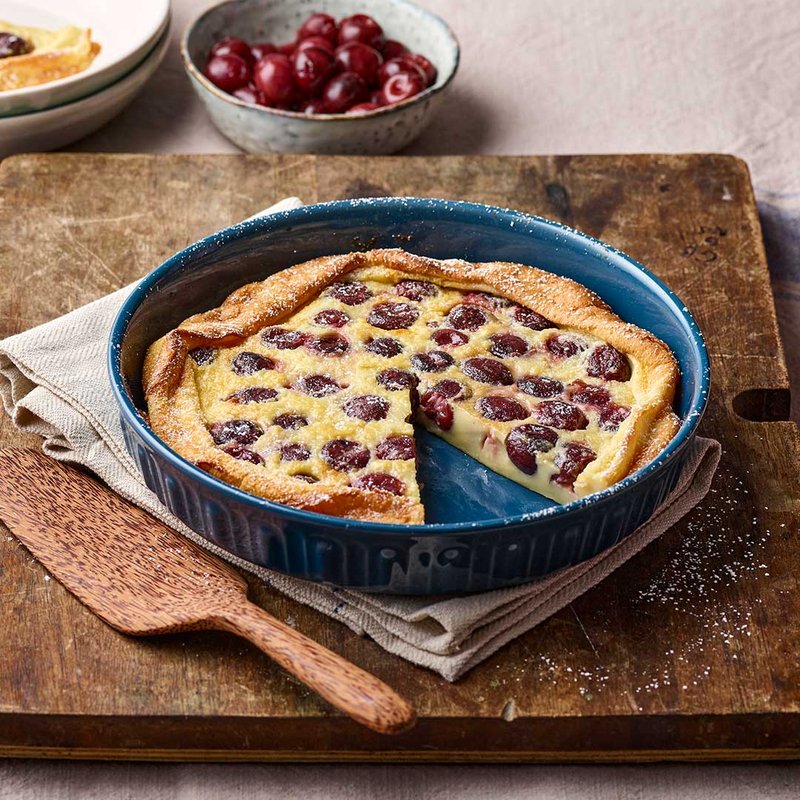
Clafoutis
The Limousin's harvest pudding: ripe cherries sat in a buttered dish and drowned in a sweet eggy batter. Baked till puffed and gold.
Overview
A round baking dish (or shallow gratin dish, or 9-inch pie plate) butters and dusts with sugar. Ripe cherries (washed; traditionally stones in, see Notes) scatter in a single layer. A simple batter of eggs, sugar, salt, vanilla, plain flour, whole milk, double cream and a touch of melted butter whisks together (or blender'd) to a smooth thin consistency. Poured over the cherries; sprinkled with a little extra sugar. Baked at 180°C for 35-40 minutes until risen, golden, slightly cracked on the surface, just-set in the centre. Dusted with icing sugar; served warm with a glug of cream.
Ingredients
Dish prep
- 30 g unsalted butter (room temperature, for greasing)
- 1 tablespoon caster sugar (for dusting the dish)
Cherries
- 500 g ripe sweet cherries (stones in OR pitted - your choice; see Notes)
- 1 tablespoon kirsch (or brandy, optional, to macerate)
- 1 tablespoon caster sugar (for the cherries)
Batter
- 3 eggs (large, room temperature)
- 80 g caster sugar (plus 1 tablespoon for sprinkling on top)
- A pinch of salt
- 1 teaspoon vanilla extract (OR scraped seeds from ½ vanilla pod)
- 80 g plain flour (sifted)
- 250 ml whole milk
- 150 ml double cream
- 30 g unsalted butter (melted)
To serve
- 1 tablespoon icing sugar (for dusting)
- Cold double cream OR vanilla ice cream
- Crème fraîche (the traditional French accompaniment)
Method
Stage 1 - Prep the dish
- Heat oven to 180°C (160°C fan).
- Generously butter a 24 cm round baking dish (or a 22 x 28 cm rectangular).
- Sprinkle the inside with 1 tablespoon caster sugar; tilt to coat the buttered surface; tip out excess.
Stage 2 - Macerate the cherries
- Place the cherries in a bowl; toss with the kirsch (if using) and 1 tablespoon sugar.
- Let stand 10 minutes (releases a small amount of juice and flavours the cherries).
Stage 3 - Batter
- By hand: whisk eggs with 80 g sugar, salt and vanilla in a wide bowl until pale and slightly thick (1-2 minutes).
- Whisk in the flour gradually (it'll be lumpy initially; keep whisking until smooth).
- Whisk in the milk, double cream and melted butter to a thin pourable batter.
- (Alternative - blender method, easier: blend all batter ingredients on high for 20 seconds; strain into a jug.)
- The batter should be the consistency of thin cream - like a crepe batter.
Stage 4 - Assemble
- Tip the macerated cherries (and their juice) into the prepared dish; spread in a single layer.
- Pour the batter slowly over the cherries - the cherries should mostly be submerged but the tops can poke through.
- Sprinkle the remaining 1 tablespoon caster sugar over the top (gives a crisp sugary crust during baking).
Stage 5 - Bake
- Bake 35-40 minutes until:
- The top is deep golden brown, possibly with a few crackles
- The clafoutis has puffed up around the cherries (it'll settle as it cools)
- A skewer inserted comes out almost clean (a little moist batter around the cherries is fine)
- The centre has only the slightest jiggle when the dish is tapped
Stage 6 - Cool
- Lift out of the oven; cool 10-15 minutes.
- The puff settles; the texture firms.
Stage 7 - Serve
- Dust generously with icing sugar (through a sieve for an even snow).
- Spoon onto plates straight from the dish.
- Serve warm with cold cream, crème fraîche or vanilla ice cream.
Notes
- Stones in vs out: Traditional French clafoutis uses cherries with their stones still in - the stones release a faint almond aroma (from amygdalin) during baking that perfumes the dessert. Eaters spit the stones out as they go. Pitted cherries are easier for guests but give a slightly milder flavour. If serving to children or those who'd be alarmed by stones, pit them. For a true taste, leave the stones in.
- Variations are called flaugnarde: Strictly, clafoutis is cherries only. The same recipe with plums = flaugnarde aux prunes; with pears = flaugnarde aux poires. All work; most cooks use the names interchangeably.
- The puff settles: Out of the oven, clafoutis puffs dramatically like a Yorkshire pudding. It always settles as it cools - don't worry. The interior texture is meant to be soft, custardy, slightly springy.
Storage
- Best within 4 hours of baking, served warm.
- Refrigerate 3 days; warm individual portions in a 160°C oven 8 minutes.
- Doesn't freeze well - the custard separates on thaw.
More like this
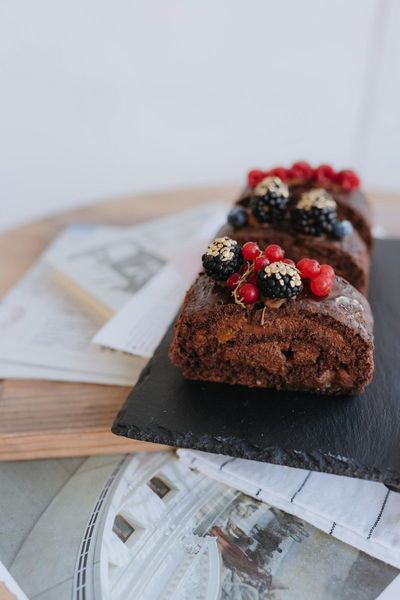
Chocolate Roulade
An elegant and impressive dessert of crispy meringue rolled around a rich chocolate filling, creating a beautiful spiral when sliced. The contrast between the light, airy meringue and the dense, silky chocolate filling provides the perfect balance of textures and flavors in this sophisticated French-inspired creation.
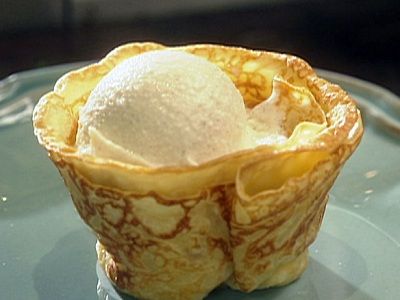
Crêpes
Classic French crèpes: delicate, tissue-thin pancakes with a tender crumb and subtle vanilla flavor, serving as the foundation for infinite sweet and savory variations. These timeless crèpes are fundamental to French cuisine yet require precision and practice to master, rewarding with elegant, versatile results.
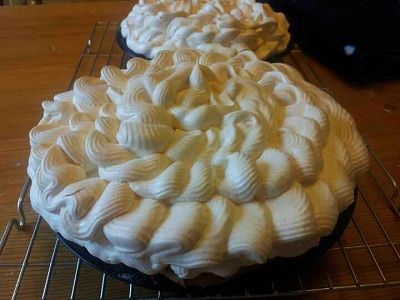
Lemon and Orange Meringue Pie
A classic British-style meringue pie with a buttery shortbread pastry shell, sharp lemon-orange curd filling, and a towering cap of crisp-edged, soft-centered Italian meringue. This tangy and sweet dessert perfectly showcases the interplay of flavors and textures, from the crumbly pastry through the silky curd to the cloud-like meringue topping.
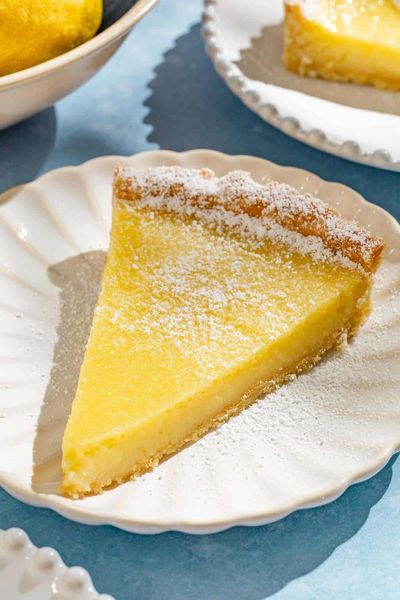
Lemon Tart
Sweet shortcrust pastry blind-bakes to set the base. A custard of eggs, sugar, lemon juice, zest and butter cooks gently to a smooth glossy curd. The curd pours into the still-warm shell, the tart bakes briefly to set, cools fully. Served plain or with a dusting of icing sugar.