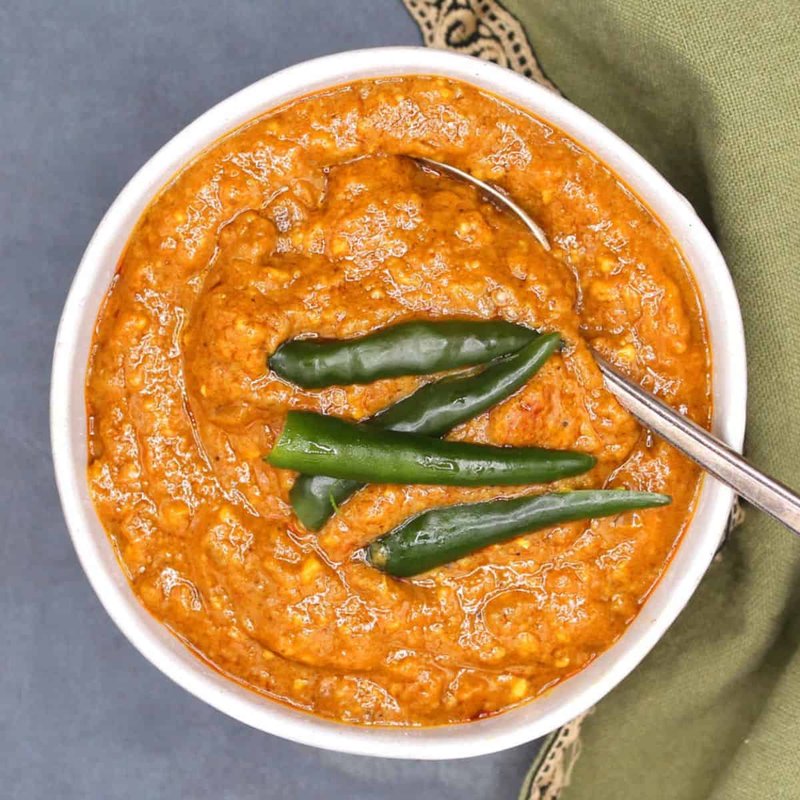
Shiro Wat
A creamy Ethiopian chickpea-flour stew: chickpea flour whisked into spiced onion and tomato until it thickens to a smooth, savoury, paprika-orange porridge. The everyday vegan main of Ethiopia, eaten constantly during fasting periods.
Overview
A creamy Ethiopian chickpea-flour stew, the everyday vegan main that's eaten constantly during fasting periods (and outside them too). You melt onion in oil until it goes jammy, bloom berbere and tomato in the fat, then add water and whisk in chickpea flour until it dissolves smooth. From there it's about patience: cook steadily over low heat, stirring, until the stew thickens to a silky paprika-orange porridge that holds a spoon. The longer it cooks, the richer and more rounded it tastes. Eaten poured onto injera in a generous puddle, with extra injera torn to scoop. Forgiving, fast, deeply savoury.
Ingredients
- 2 onions (large, very finely chopped)
- 60 ml vegetable oil
- 5 garlic cloves (crushed)
- 2 cm fresh ginger (grated)
- 2 tablespoons Berbere
- 2 tablespoons tomato paste
- 600 ml hot water (or vegetable stock)
- 100 g chickpea (gram) flour
- 1 teaspoon salt (or to taste)
- Black pepper
Method
Stage 1 - Onions
- Cook the onions dry in a heavy saucepan over medium-low heat for 10 minutes, stirring often.
- Add the oil; continue 10 minutes until deep golden and very soft.
Stage 2 - Bloom
- Add the garlic, ginger, berbere and tomato paste; cook 2 minutes.
Stage 3 - Build
- Pour in the hot water, whisking. Bring to a steady simmer.
- Whisk in the chickpea flour gradually, breaking up any lumps. The mixture thickens almost immediately.
- Reduce the heat; cook 10-15 minutes, stirring often, until smooth, glossy and thick enough to hold a spoon trail.
- Add hot water bit by bit if it tightens too far.
Stage 4 - Finish
- Stir in salt to taste; grind in black pepper.
- Drizzle with extra oil at the table; serve with injera or rice.
Notes
- Whisk in the flour off heat: Or hold the heat low - boil-in causes lumps. A wire whisk and steady pour gets you a smooth result.
- Texture is personal: Some like it pourable like thick gravy, others prefer almost spreadable. Adjust water to taste.
- Berbere makes it: Without good berbere this is bland chickpea-flour soup. The spice blend is non-negotiable.
Storage
- Keeps 4 days refrigerated; thickens further on cooling - loosen with hot water on reheat.
- Freezes 2 months; texture is fine if whisked while reheating.
More like this
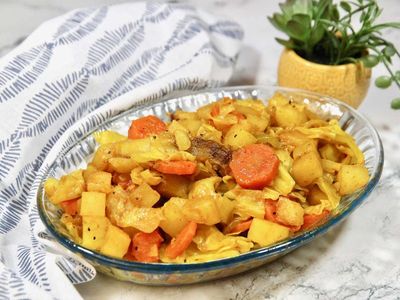
Atakilt Wat
Ethiopia's spiced cabbage stew, the gentle vegetable side that sits between the fiercer berbere-loaded curries on a shared platter and cools whoever's eating against the heat. You soften onions in oil with turmeric until they're pale gold, then bloom garlic, ginger and a small amount of berbere in the same fat - small because this is the mellow dish, not the fierce one. Carrots and potatoes go in first to soften; cabbage joins later. Cover, drop the heat, and let the lot steam-cook for forty minutes until the volume has halved, the vegetables have melted into each other, and the cabbage has almost disappeared into the sauce. Eaten with injera and a few spoonfuls of doro wat or misir wat alongside for contrast.

Misir Wat
Ethiopia's red lentil stew, the vegan everyday main that turns up on every fasting-day table and most non-fasting ones too. You cook onions slowly in oil or niter kibbeh until they melt and turn jammy - this is the same long, patient onion cook that doro wat relies on. Berbere blooms in, tomato paste deepens, lentils go in with water and simmer until they're soft and the stew has thickened to a coating consistency. A squeeze of lemon at the end brightens the deep berbere-rich base. Bright orange from the spice, eaten by mopping with injera, made vegan with oil or richer with niter kibbeh. Either way, the dish that anchors an Ethiopian meal.
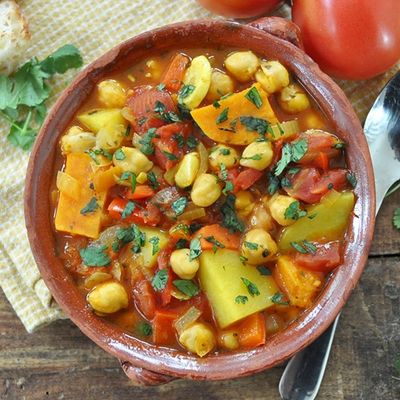
Vegetable Tagine
Onions are softened with garlic and ras el hanout. Carrots, parsnips, potato and squash join in stages, root first, fast-cooking last. Chickpeas, tomatoes, stock and apricots simmer everything together. At the end, preserved lemon, fresh coriander and toasted almonds finish; honey rounds out the spice if needed.
Chapli Kebab
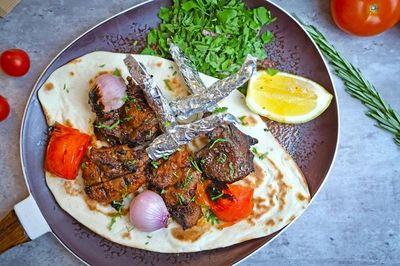
Chapli kebabs are the spiced beef patties sizzling on a wide flat tawa at any roadside grill from Peshawar to Kabul, big enough to wrap a hand around and seasoned with the unusual punch of dried pomegranate seeds and coriander. The mince mixes with grated onion, chopped fresh tomato, ginger, garlic, beaten egg and a little gram flour to bind, plus the signature Afghan spice blend (coriander seed, pomegranate seeds, chilli flakes, cumin and garam masala). A thirty-minute rest lets the gram flour absorb the moisture and the spices marry. Pat thin and wide (the word chapli means "flat" or "slipper-shaped"), then fry hard in oil three or four minutes a side until darkly crusted. Eat hot from the pan, wrapped in fresh naan with sliced raw onion and a green chutney.