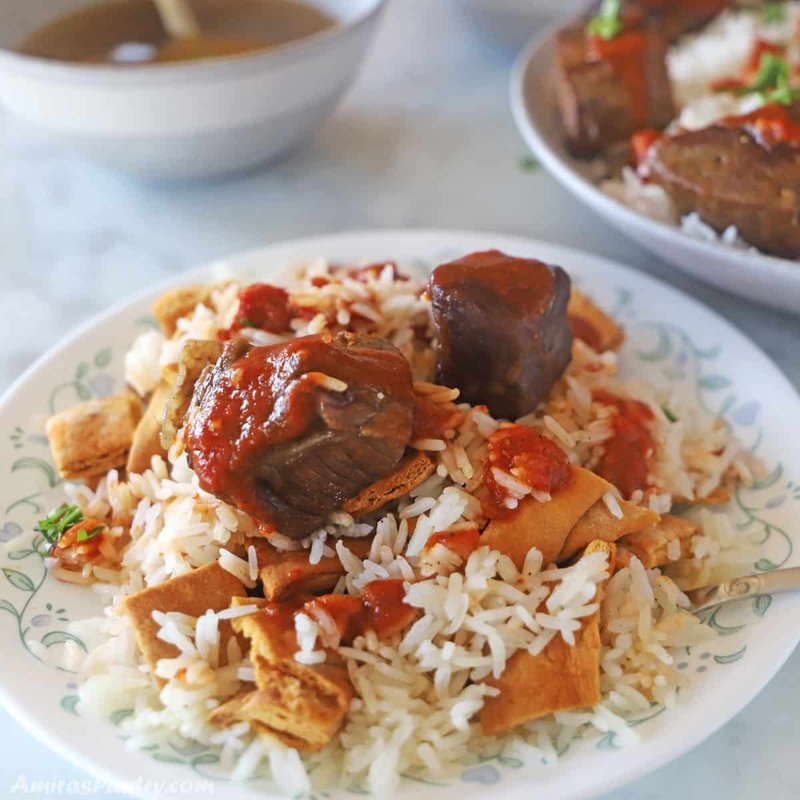
Fattah Bil Lahma
The Egyptian celebration dish: layered toasted bread (aysh baladi), rice, garlic-vinegar dakka sauce, tomato sauce, slow-braised lamb (or beef) and a drizzle of cooking liquor - assembled in a wide platter and eaten communally. Cooked for Eid al-Adha, weddings, Sham El-Nessim. A dish of celebration through and through.
Overview
Lamb shoulder simmers in a spiced stock for 90 minutes until tender. Meanwhile, basmati rice cooks pilaf-style. Pieces of baladi bread (or pita) crisp in the oven. A dakka sauce: garlic, vinegar, coriander, butter, all sizzled briefly. A tomato sauce reduces. Layer: bread → rice → dakka → tomato sauce → shredded meat → ladles of cooking liquor.
Ingredients
Lamb
- 1.2 kg lamb shoulder (cut into 5 cm chunks)
- 2 tablespoons vegetable oil
- 1 onion (large, halved)
- 4 cardamom pods (bruised)
- 1 cinnamon stick
- 2 bay leaves
- 8 black peppercorns
- 1 teaspoon ground cumin
- 1 ½ teaspoons salt
- 2 litres water
Bread layer
- 4 pita breads (large, or 8 small aysh baladi, cut into 4 cm squares)
- 2 tablespoons olive oil
Rice
- 300 g basmati rice (rinsed; soaked 20 minutes)
- 2 tablespoons ghee
- 1 teaspoon salt
- 600 ml reserved cooking liquor (from the lamb)
Tomato sauce
- 2 tablespoons vegetable oil
- 4 garlic cloves (crushed)
- 1 (400 g) tin chopped tomatoes
- 1 tablespoon tomato puree
- 1 teaspoon ground cumin
- ½ teaspoon chilli flakes
- ½ teaspoon salt
Dakka (garlic-vinegar sizzle)
- 4 tablespoons unsalted butter (or ghee)
- 8 garlic cloves (very finely chopped)
- 3 tablespoons white vinegar
- 1 teaspoon ground coriander
To finish
- 200 ml cooking liquor (extra)
- 3 tablespoons fresh parsley (chopped)
- Lemon wedges
Method
Stage 1 - Lamb
- Heat oil in a wide pot; brown the lamb in batches.
- Add onion, cardamom, cinnamon, bay, peppercorns, cumin, salt, water.
- Simmer covered 1 hour 30 minutes to 1 hour 45 minutes until tender. Strain; reserve 1 litre of the cooking liquor. Shred the meat into bite-sized pieces.
Stage 2 - Toast bread
- Heat oven to 200°C.
- Toss bread pieces with olive oil; spread on a tray.
- Bake 10 minutes until crisp and gold.
Stage 3 - Rice
- Heat ghee in a heavy pot.
- Drain the soaked rice; toast 1 minute in ghee.
- Pour in 600 ml of reserved cooking liquor; add salt.
- Bring to a boil; reduce heat to lowest; cover; cook 15 minutes.
- Rest 5 minutes; fluff.
Stage 4 - Tomato sauce
- Heat oil; add garlic; cook 30 seconds.
- Add cumin and Aleppo pepper; toast 10 seconds.
- Stir in tomato and tomato puree; reduce 8 minutes to a thick sauce.
- Season with salt.
Stage 5 - Dakka
- In a small pan, melt the butter over medium heat.
- Add chopped garlic; sizzle 30-40 seconds - just gold, not brown.
- Stand back; pour in vinegar (it spits).
- Add coriander; sizzle 5 seconds. Off the heat.
Stage 6 - Assemble
- In a wide warm shallow platter, layer:
- Toasted bread (a single layer covering the base)
- Ladle of dakka (about half)
- Hot rice spread evenly
- Tomato sauce drizzled across
- Shredded lamb on top
- The remaining dakka over everything
- Ladle 200 ml of warm cooking liquor over the whole platter
Stage 7 - Serve
- Scatter parsley; lemon wedges alongside. Eat immediately, family-style.
Notes
- Order matters: Bread under everything; rice in the middle; meat on top. Eat down through the layers.
- Dakka is the signature: Don't skip the garlic-vinegar-butter step. The sour-sharp bite cuts the richness of the lamb.
- Make-ahead components: Lamb, rice, tomato sauce all keep separately. Assemble fresh - the bread softens in storage.
Storage
- Components keep 3 days separately. Assembled fattah is best eaten same day.
More like this
Kabsa
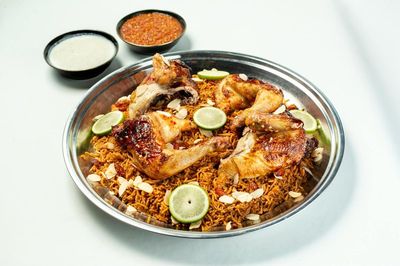
Saudi Arabia's national dish, the one platter you'll meet at almost every gathering from family lunch through wedding banquet. You brown chicken pieces or lamb shoulder hard in a heavy pot, then build a base of onion, garlic and ginger softened in the same fat, with tomato and a spoonful of baharat (or a dedicated kabsa spice mix) blooming until the kitchen fills with cardamom and cinnamon. The protein simmers in tomato and stock until it's tender and pulling away from the bone, then long-grain rice goes in to cook absorption-style in the same liquid, drinking up every layer of flavour the broth carries. You finish with almonds toasted in butter, raisins plumped briefly, and a fresh salsa of tomato, onion, chilli and parsley spooned on the side to cut the richness. Eaten communally from the centre platter, with hands or a long spoon.
Lahori Mutton Karahi
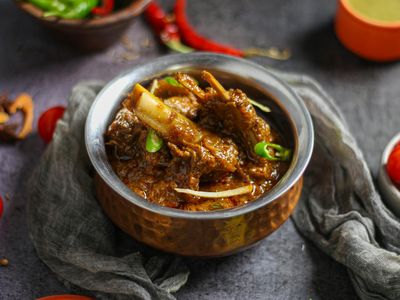
Bone-in lamb is browned in ghee with a small handful of whole spices, then ginger-garlic paste and tomato are added in two stages: first chopped, to break down into a base sauce, then sliced, to give texture at the end. The dish cooks uncovered the entire time, which is what defines Lahori karahi (the gravy reduces by half and concentrates). Green chilli, fresh ginger and coriander finish; a tablespoon of butter or ghee makes the slick on top.
Molokhia with Meat
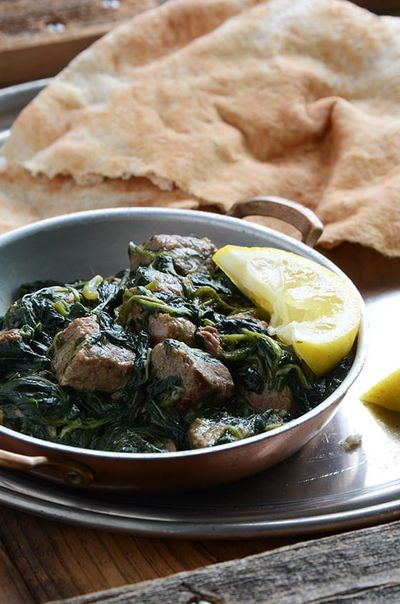
Bone-in chicken or beef simmers in stock 45-60 minutes with cardamom, bay and an onion to make a clear broth. Frozen chopped molokhia (or fresh chopped fine) goes in for the last 20 minutes, barely simmered, never boiled (over-boiling kills the texture). A taqliya of butter, garlic and ground coriander sizzles separately; poured hot into the pot at the end with a dramatic hiss. Serve over rice with lemon and bread.
Domoda
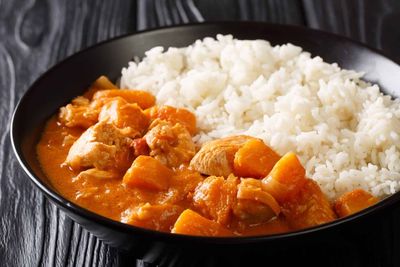
Chicken thighs (or lamb) are browned, onions and tomato cooked down with garlic and a single whole chilli, then the meat simmers in stock until tender. A loose peanut paste is stirred in for the final 20 minutes, kept thin enough to ladle. Sweet potato or pumpkin softens in the sauce. A spoon of lime juice at the end balances the richness.