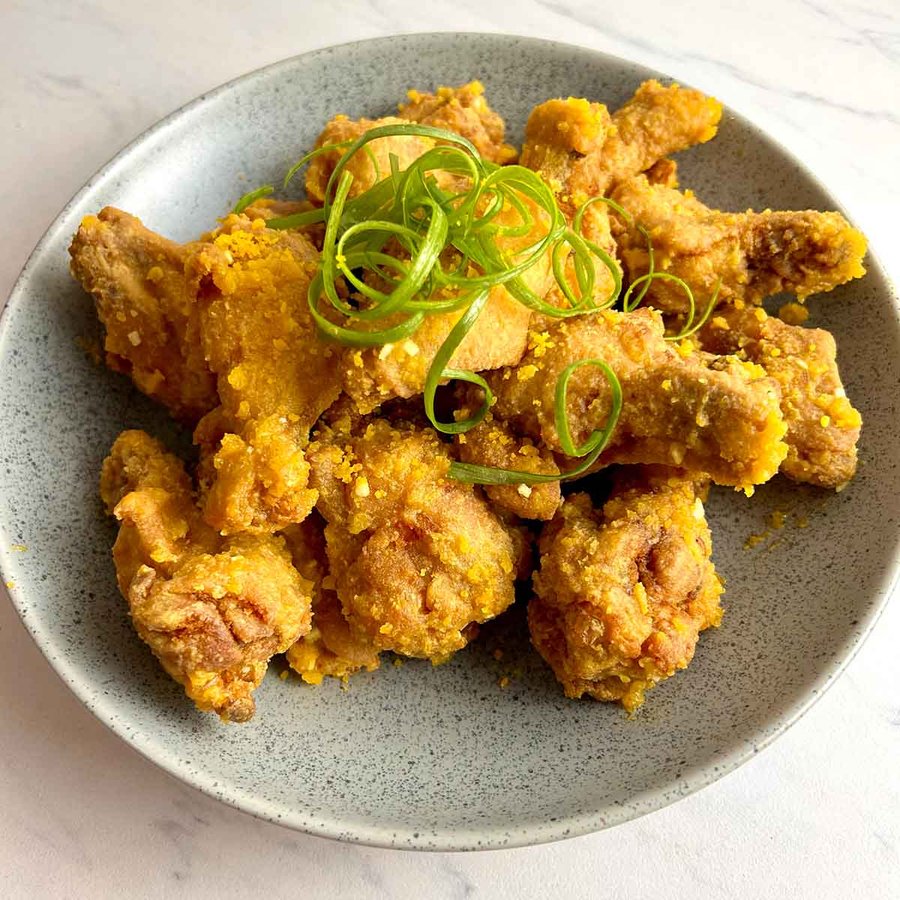
Salted Egg Chicken Wings
A Cantonese-Sichuan crossover: shallow-fried chicken wings tossed through a foaming, sandy coating of crumbled salted duck egg yolks.
Overview
The wings are mild on their own, lightly seasoned with rice wine, soy and white pepper, then dusted in cornstarch and shallow-fried until the skin crackles. The drama is in the second step: crumbled salted duck egg yolks are stirred in hot oil until they foam into a frothy, sandy paste with a pale yellow colour and a smell somewhere between butter, parmesan and salt-cured anchovy. The fried wings go back into that sand and get tossed until each one wears a fine pale crust. The eating experience is genuinely unusual, the salted yolk is intensely savoury, almost umami-heavy, but not fishy or overwhelming like the egg eaten alone. Easy to cook if you can find the salted yolks (Asian grocers stock them whole-egg or yolk-only in vacuum packs); the only real skill is recognising the foaming point so the coating clings instead of burning. The combination originated in Hong Kong dim-sum kitchens in the 1980s and spread through Singapore, Malaysia and modern Chinese restaurants worldwide; it is now common across home kitchens in Sichuan and Guangdong as a snack or beer dish.
Ingredients
Wings
- 10 mid-section chicken wings (about 600 g)
- 1 tbsp Shaoxing rice wine
- 1 tbsp light soy sauce
- 1 tbsp oyster sauce
- ¼ tsp salt
- ¼ tsp white pepper
- 4-5 tbsp cornstarch (for dusting)
- 4 tbsp vegetable oil (for shallow frying)
Salted egg coating
- 4-8 salted duck egg yolks (4 large or 8 small, depending on size)
Method
Stage 1 - Marinate
- Pat the wings dry with kitchen paper.
- Pierce each wing 4-5 times with a fork or toothpick (helps the marinade penetrate).
- Combine wings with rice wine, light soy, oyster sauce, salt and white pepper in a bowl; toss to coat.
- Marinate at room temperature for 15 minutes.
Stage 2 - Fry
- Spread cornstarch on a plate; coat each wing thoroughly, pressing the starch into the surface and shaking off the excess.
- Heat the vegetable oil in a wide pan over medium heat until shimmering.
- Lay the wings into the pan in a single layer; do not crowd. Work in two batches if needed.
- Fry undisturbed for 4-5 minutes on the first side until a firm golden crust forms.
- Flip; fry another 3-4 minutes. Increase to medium-high and turn frequently for the final minute to deepen colour. Total time around 8-10 minutes.
- Lift the wings onto a rack. Pour off all but about 2 tablespoons of oil; wipe the pan clean of any burnt starch flecks.
Stage 3 - Salted egg sand
- Finely chop or mash the salted egg yolks until they break down to small grains.
- Reduce the heat to low; add the chopped yolks to the warm oil.
- Stir constantly with a spatula, pressing and scraping, for 1-2 minutes. The yolks will first soften, then begin to foam with large airy bubbles. This is the moment you want.
- Return the wings to the pan; toss vigorously so the foaming yolk coats every surface.
- Cook for another 30-60 seconds until the wings look evenly coated in a pale sandy crust.
Stage 4 - Serve
- Tip onto a serving plate; eat immediately while the coating is still light and crisp.
Notes
- Salted egg yolks: these are not the same as century eggs. You want the cured (brined) duck egg version, usually sold separately as vacuum-packed yolks or as whole eggs that you crack and discard the white from.
- Watch the foam: the foaming stage is brief. If the yolks darken past pale yellow into brown, the coating will be bitter rather than buttery. Low heat and constant stirring are key.
- Cornstarch crust: dredging twice (or letting the first dredge sit for a minute, then dredging again) gives a thicker crackle.
- Drumettes work too: same method, slightly longer fry time. Adjust marinade proportionally.
Storage
- Best eaten straight from the pan; the coating loses its airy quality within an hour.
- If reheating, use a hot dry pan or air fryer to crisp the coating again.
More like this
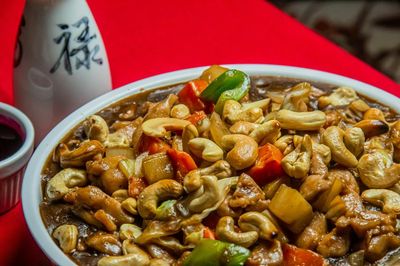
Cashew Chicken
This dish exemplifies the Chinese penchant for contrasting textures. Tender succulent pieces of chicken are paired with sweet, crunchy cashew nuts and a delicate sauce. While the original Chinese version would have used peanuts (as cashews were not traditionally featured in Chinese cookery), this adaptation showcases how the cuisine evolves while maintaining its core philosophy of textural harmony.
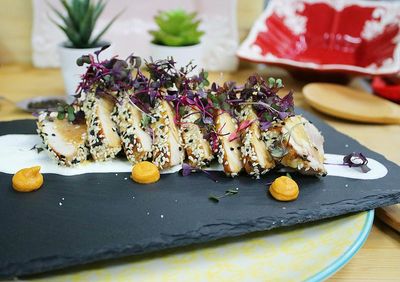
Chicken with Sesame Seeds
This is a version of the fragrant Sichuan dish popularly known as 'Strange taste chicken' or bang-bang chicken because it incorporates many flavours simultaneously, hot, spicy, sour, sweet, and salty all in perfect balance. The sesame seeds add a crunchy texture that contrasts beautifully with tender chicken meat. Equally delicious served hot or at room temperature, making it ideal for entertaining.
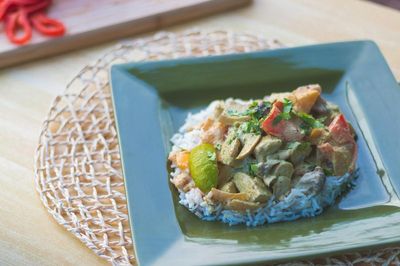
Curried Chicken with Peppers
Curry blends beautifully with chicken when prepared in the style of southern Chinese cuisine, as a light, subtle sauce that enhances rather than overpowers the delicate chicken meat. This recipe balances spice with refinement, proving that curry in Chinese cooking is more elegant whisper than aggressive shout.
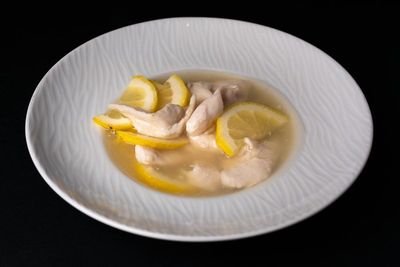
Lemon Chicken
A Hong Kong specialty that pairs delicate chicken with a tart yet subtly sweet lemon sauce. The technique of shallow-frying chicken strips until just cooked keeps the meat tender, while a glossy sauce coats each piece perfectly. The balance between citrus acidity and the subtle spice of dried chilli makes this dish elegant yet comforting.