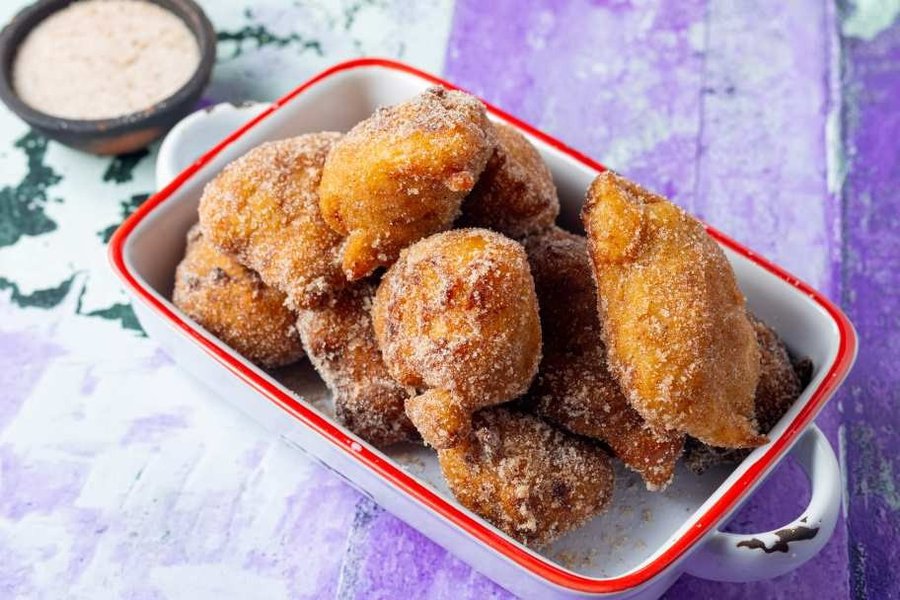
Nga Pyaw Kyaw
Burma's teashop banana fritter: ripe finger bananas dipped in turmeric-tinted rice-flour batter and deep-fried till the crust shatters and the fruit caramels.
Overview
The Burmese banana fritter that turns up at street stalls across Yangon and Mandalay, a sticky-sweet snack at any hour of the day. The trick is a thin, crisp batter rather than a thick doughy coat. You whisk rice flour and a small spoon of plain flour for the crackle, a pinch of turmeric for the gold, and soda water to keep the batter light. The bananas must be properly ripe (spotted skins, almost too soft to slice cleanly), and the oil steady at 175°C. Any cooler and the batter sponges up oil and the fritter goes soggy. Three minutes gives you a glassy golden shell around tender fruit. A sprinkle of toasted sesame at the end is the traditional finish; a scoop of coconut ice cream alongside is the modern flourish.
Ingredients
Batter
- 120 g rice flour
- 30 g plain flour
- 1 tablespoon cornflour
- 2 tablespoons caster sugar
- ¼ teaspoon ground turmeric
- ¼ teaspoon salt
- ¼ teaspoon baking powder
- 180 ml cold soda water
- 1 teaspoon white sesame seeds
Bananas
- 6 very ripe small bananas (about 600 g; finger bananas if you can find them, or short Cavendish)
For frying
- 750 ml neutral oil (sunflower or rapeseed)
To finish
- 2 tablespoons toasted white sesame seeds
- 1 tablespoon caster sugar (optional)
- Flaky sea salt (a pinch)
Method
Stage 1 - Batter
- Whisk the rice flour, plain flour, cornflour, sugar, turmeric, salt and baking powder in a bowl.
- Pour in the cold soda water in a steady stream, whisking, until you have a smooth batter the consistency of single cream. Add a splash more soda if it feels stodgy.
- Stir in the teaspoon of sesame seeds.
- Rest 5 minutes while the oil heats. Don't make this far in advance; the bubbles in the soda are part of the lift.
Stage 2 - Prepare the bananas
- Peel the bananas.
- Cut each in half lengthways. If using bigger Cavendish, cut each half in half across as well so the pieces are 6-8 cm long.
- Don't slice too far ahead or the cut surfaces oxidise.
Stage 3 - Fry
- Heat the oil in a wok or deep saucepan to 175°C. A drop of batter should rise and sizzle quickly without darkening at once.
- Holding a piece of banana by one end with chopsticks or a fork, dip into the batter; let the excess run off; lower gently into the oil.
- Fry 3 or 4 pieces at a time so the oil temperature stays up.
- Cook 3-4 minutes, turning once, until the batter is deep gold and crisp all over.
- Lift onto a wire rack (better than kitchen paper, which steams the underside).
- Bring the oil back to 175°C between batches.
Stage 4 - Finish
- While still hot, scatter the toasted sesame seeds over the fritters.
- If serving as dessert rather than snack, dust very lightly with caster sugar and a few flakes of sea salt. The salt against the caramelised fruit is the modern teashop twist.
Stage 5 - Serve
- Arrange on a plate; eat immediately, biting through the shell into the soft hot fruit. They are at their best in the first ten minutes.
Notes
- Banana ripeness is everything: Yellow with brown spots, soft to gentle pressure, sweet to taste raw. Under-ripe bananas stay starchy and don't caramelise; over-ripe slump out of the batter while frying.
- Cold soda water, light hand: Cold, fizzy liquid plus minimal mixing gives the lacy, crisp shell. Don't whisk past smooth, and don't make the batter ahead of time.
- Rice flour for crunch: Rice flour is the key to the shatter texture; plain flour alone gives a heavier, doughnut-like coat. SE Asian grocers and most supermarkets stock it now.
- Frying at 175°C, not lower: Too cool and the batter drinks oil before it sets. Too hot and the outside burns before the banana softens.
Variations
Coconut-banana fritters: Add 30 g desiccated coconut to the batter for a nuttier, more Thai-style fritter. Plantain version: Slightly under-ripe plantain (yellow with patches of black) works beautifully and is more authentic to upper Burma. Slice 1 cm thick on the diagonal; fry the same way; cook 1 minute longer. Honey drizzle: A modern Yangon cafe finish: drizzle with thin honey or palm sugar syrup just before serving.
Serving
Serve with: a scoop of coconut or vanilla ice cream for a dessert plate, or a glass of cold black coffee for a teashop snack. Garnish with: extra sesame seeds, a wedge of lime, or a scatter of toasted coconut.
Storage
- Eat within 20 minutes of frying. The shell softens fast.
- Re-crisp leftovers in a 200°C oven for 4 minutes (not the microwave; that turns them limp).
- Batter does not keep; mix fresh each time.
More like this
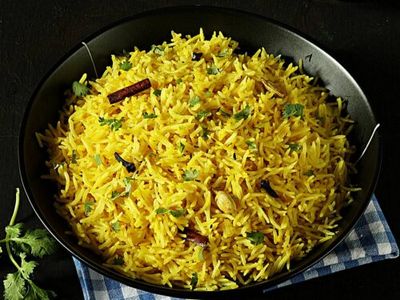
Shwe Htamin
The Burmese golden rice, the everyday turmeric-stained rice that turns up alongside curries and stews on the home table. You toast long-grain rice briefly in oil with a chopped onion, turmeric and a small handful of cashews (optional but traditional). Water and salt go in, the pot covers tightly, and the rice cooks undisturbed for eighteen minutes. A five-minute rest off the heat finishes the steam. The grains come out the colour of pale gold, perfumed faintly with onion and turmeric, ready to soak up whatever curry sauce hits the plate.
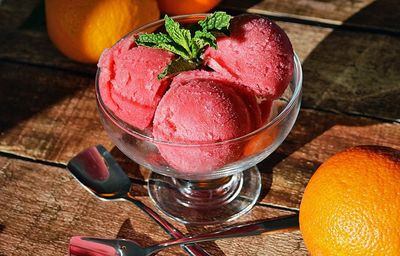
Blood Orange Sorbet
A refreshing, jewel-bright sorbet made from tart blood orange juice infused with a hint of thyme and chilli, creating a sophisticated palate cleanser or light dessert. The deep crimson color and complex flavors make this an elegant choice for finishing a meal, and its intense acidity balances rich preceding courses.
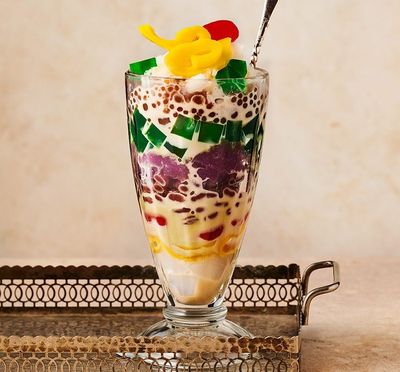
Halo-Halo
Halo-halo is an assembly, not a cooking project. Each tall glass gets a spoonful of 6-8 different sweetened components: red mung beans, white beans, kaong (sugar palm), nata de coco, sweet jackfruit, sweetened bananas, sago pearls, leche flan. Shaved ice piles on top of the layered components. Evaporated milk pours over. Topped with a scoop of ube ice cream and a small piece of leche flan. Sprinkled with toasted pinipig (pounded young rice) or crushed cornflakes.
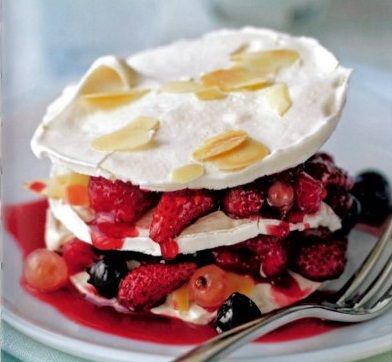
Meringue and Red Berry Layers
An impressive three-layer dessert built with crispy French meringue rounds interspersed with poached berries and their brilliant ruby coulis. This sophisticated construction offers multiple textural contrasts and celebratory visual appeal, perfect for special occasions when simple elegance impresses most.