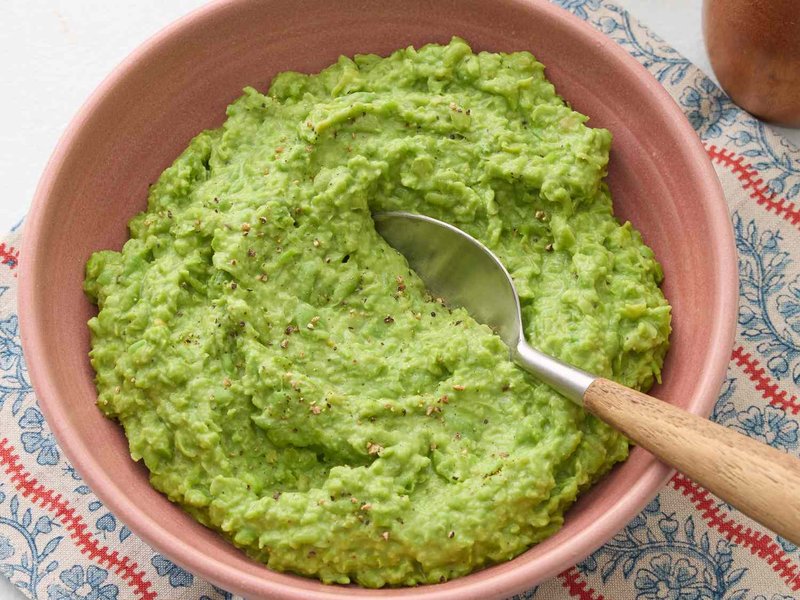
Mushy Peas
The British chippy side: marrowfat peas soaked overnight, then simmered slow till they collapse into a sweet, savoury green mush.
Overview
Dried marrowfat peas soak overnight in cold water with bicarbonate of soda (the soda softens the skins; without it the peas stay tough). The peas are drained, rinsed, then simmered slowly in fresh water with a pinch of salt until they break down into a thick green porridge, about 40 minutes. A teaspoon of butter, a pinch more salt and (optionally) a small spoon of mint sauce or chopped fresh mint stir through at the end. Eaten warm. Some chip-shop versions add a teaspoon of sugar; some Yorkshire households add a splash of malt vinegar at the table.
Ingredients
- 250 g dried marrowfat peas (sold dried - Batchelors or Whitworths brands in the UK; or split green peas if you can't find marrowfat)
- 1 teaspoon bicarbonate of soda
- Cold water (for soaking and cooking)
To finish
- 30 g unsalted butter
- 1 teaspoon salt (to taste)
- ½ teaspoon black pepper
- 1 teaspoon caster sugar (optional)
- 1 tablespoon mint sauce OR 2 tablespoons fresh mint (chopped, optional)
To serve
- Malt vinegar (on the table - optional)
- Fish and chips, or pie and chips, or anything else
Method
Stage 1 - Soak
- Place dried marrowfat peas in a large bowl.
- Cover with cold water by 5 cm.
- Stir in the bicarbonate of soda.
- Soak overnight (12+ hours). The peas swell to nearly double size and the water turns greenish.
Stage 2 - Rinse
- Drain the peas through a sieve.
- Rinse thoroughly under cold running water (the soda water is bitter; rinse until the water runs clear).
Stage 3 - Cook
- Place the rinsed peas in a saucepan.
- Cover with fresh cold water by 2 cm.
- Bring to a boil; skim any foam.
- Reduce heat to a low simmer.
- Cover loosely; cook 35-45 minutes, stirring occasionally, until the peas break down into a thick green mush. Add boiling water during cooking if the peas are getting dry before they're tender.
- The peas are done when they collapse into a porridge consistency - no whole peas remain, the texture is uniformly mushy.
Stage 4 - Mash
- With a wooden spoon, beat the peas vigorously against the side of the pan to break up any remaining whole peas - or use a potato masher for a few stokes.
- The texture should be soft, lumpy-smooth, like a thick porridge.
Stage 5 - Season
- Stir in butter; let melt.
- Add salt, pepper and sugar (if using).
- Stir in mint sauce or chopped fresh mint at the end (don't cook the mint).
- Taste; adjust salt.
Stage 6 - Serve
- Spoon onto plates alongside fish and chips, pie and chips, or any roast.
- Offer malt vinegar at the table for those who want it.
Notes
- Marrowfat peas, not garden peas: Marrowfat are a specific variety of dried mature pea, larger and starchier than ordinary dried green peas. They give the right grey-green colour and starchy mush. Frozen garden peas + boiling them down gives a different, brighter dish (still good, but a "pea purée" not "mushy peas").
- Bicarb is essential: Without bicarbonate of soda in the soak, the skins stay tough and the peas never fully break down. The traditional method depends on it. Don't rinse so thoroughly that you remove all the soda - just enough to remove the soapy taste.
- Mint is optional but classic: Northern English chippies often don't add mint; southern / pubs / Sunday-roast versions often do. Both are correct. If using fresh mint, chop it fine and add at the end (heat dulls fresh mint).
Storage
- Refrigerate 4 days; reheat with a splash of water (the peas thicken further in the fridge).
- Freezes 2 months in portion-size containers.
- Pre-cooked mushy peas reheat in a saucepan with butter for the chippy texture; microwave gives an OK result but the butter doesn't redistribute as well.
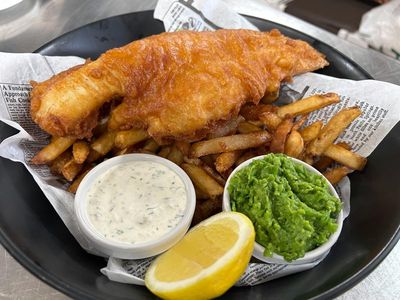
More like this
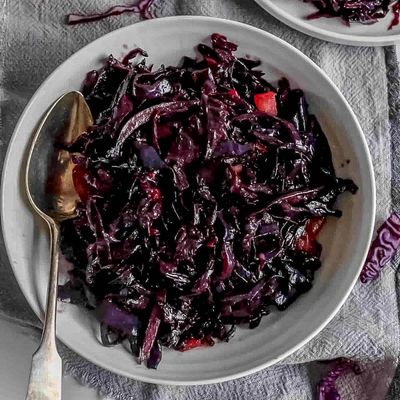
Buttered Red Cabbage
Onion is softened in butter; red cabbage joins along with sliced apple, brown sugar, red wine vinegar, a touch of red wine, cinnamon and cloves. Slow-cooked covered for an hour until the cabbage is silky and the liquid has reduced into a glossy glaze.
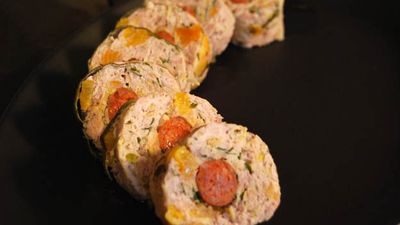
Pork, Apricot and Pistachio Stuffing
This richly flavoured stuffing combines pork sausage meat with sweet dried apricots, crunchy pistachios, and aromatic herbs, with nuggets of pan-fried chorizo tucked into each stuffing ball for a smoky surprise. It is designed to complement roasted game birds such as chicken, poussin, or turkey, providing both a cavity stuffing and individual balls for serving alongside. The combination of textures and sweet-savoury flavours makes it a standout element of a roast dinner.
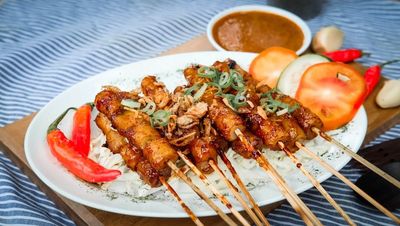
Chicken Satay with Peanut Sauce
I’m a big fan of Thai chicken satay with peanut sauce. Although it isn’t necessary, it is best to marinate the chicken for at least a day. You could get away with 30 minutes but a longer marinating time will get you much tastier results. As the chicken soaks up that incredible marinade, it not only tenderizes it but makes it much juicier when cooked. This recipe could be used with thinly sliced pork or beef, both are also popular at Thai restaurants and takeaways. Pork is the meat of choice in Thailand but chicken is the most popular in the UK. I also like to serve this dish with cucumber and chilli relish.
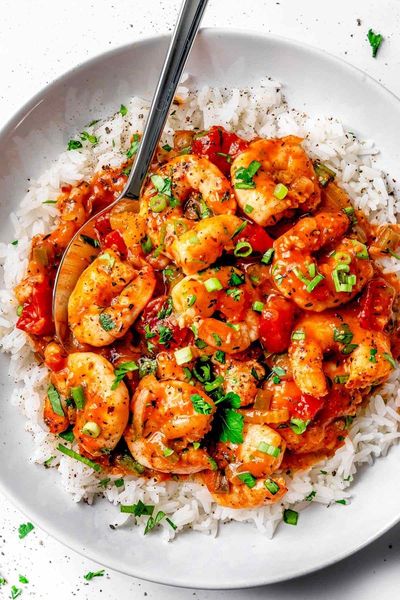
Shrimp Creole
The trinity (onion, celery, green pepper) softens in butter; garlic, Creole seasoning and herbs join. Tomato paste deepens; chopped tomatoes and stock loosen; the lot simmers for 20 minutes into a thick sauce. Prawns drop in at the end and cook for 3 minutes, pink and just-set. Hot sauce, lemon and parsley to finish.