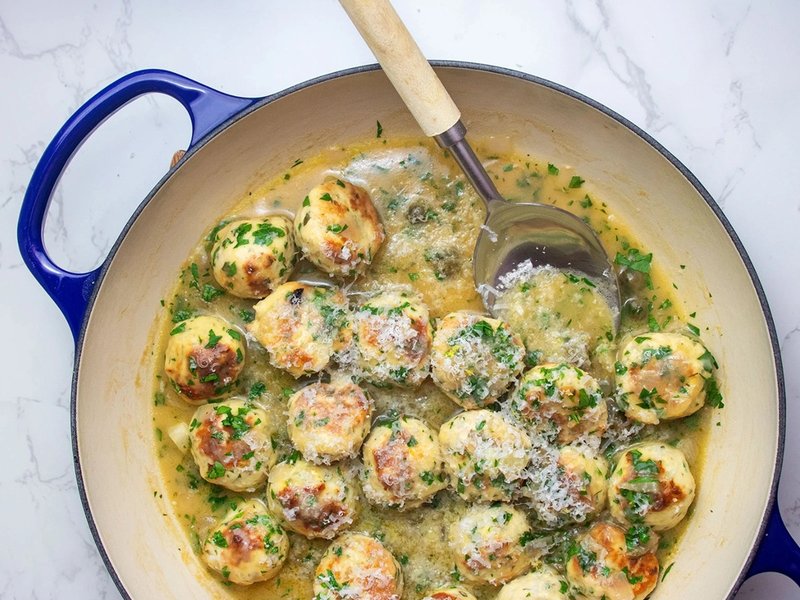
Chicken Piccata Meatballs
An Italian-American twist: chicken piccata reimagined as meatballs. Ground chicken with ricotta and panko, simmered in lemon-butter-caper sauce.
Overview
Chicken piccata, the Italian-American mid-century classic of pounded chicken cutlets in a lemon-butter-caper pan sauce, reshaped into meatball form, which trades the precise look of cutlets for a juicier, more forgiving texture. The flavour is unmistakably piccata: butter as the body of the sauce, lemon as the brightness, capers as the salty-vinegary punctuation. Underneath sits a chicken meatball lightened by ricotta (it keeps the lean ground chicken from going dry and dense) and parmesan, with parsley, garlic, smoked paprika and a pinch of red pepper flakes lifting the seasoning. The meatballs themselves stay tender because the mix isn't overworked and because they finish cooking in the sauce rather than the pan. Smell is melted butter, lemon and capers, the same smell every Italian-American restaurant kitchen has on a Tuesday lunch service. Easy enough for a weeknight, restrained enough not to feel like a stand-in dish; the technique is essentially "make meatballs, build pan sauce, return meatballs". Serves over pasta, rice or crusty bread to mop the sauce.
Ingredients
Meatballs
- 1 egg (large)
- 4 garlic cloves (minced)
- 2 tablespoons fresh chopped parsley
- 1 tablespoon whole ricotta
- ⅓ cup grated parmesan cheese
- ⅓ cup panko breadcrumbs
- ½ teaspoon smoked paprika
- ½ teaspoon red pepper flakes
- salt
- pepper
- 450 g (1 lb) ground chicken
- 1-2 tablespoons olive oil
Pan sauce
- 4 tablespoons unsalted butter
- 1 shallot (large, chopped)
- 2 garlic cloves (minced)
- 1 tablespoon plain flour
- 240 ml chicken broth
- 60 ml fresh lemon juice
- 2 tablespoons capers (rinsed)
To serve
- Chopped parsley
- Pasta, rice, or crusty bread
Method
Stage 1 - Base
- Whisk the egg in a wide bowl.
- Add the minced garlic, parsley, ricotta, parmesan, panko, paprika, red pepper flakes, salt and pepper. Mix thoroughly.
Stage 2 - Meatballs
- Add the ground chicken; mix gently until just combined - don't overwork.
- Roll into ~20 meatballs. Wet hands help.
Stage 3 - Brown
- Heat the oil in a wide skillet over medium heat.
- Brown the meatballs in batches, 5-6 minutes per batch, turning for even colour.
- Set aside on a plate.
Stage 4 - Pan sauce
- Melt the butter in the same skillet.
- Sauté the chopped shallot 2-3 minutes until translucent.
- Add the minced garlic; 1 minute until fragrant.
- Sprinkle the flour over; stir 30 seconds.
- Slowly stream in the chicken broth, whisking.
- Add the lemon juice and capers.
Stage 5 - Simmer
- Return the meatballs to the skillet.
- Simmer 10-15 minutes on low, swirling occasionally; the sauce thickens, flavours meld.
Stage 6 - Serve
- Plate with fresh parsley over.
- Serve on pasta, rice, or with crusty bread to mop the sauce.
Notes
- Don't overmix: kneaded meatball mix gets tough and dense. Combine just until uniform.
- Wet hands for rolling: chicken mince is sticky; damp fingers shape clean balls.
- Capers can swap for chopped green olives if capers aren't loved.
Storage
- Keeps 3-4 days refrigerated.
- Freezes 1 month. Reheat gently in a pan; add a splash of broth if the sauce has thickened too much.
More like this
b'Stilla
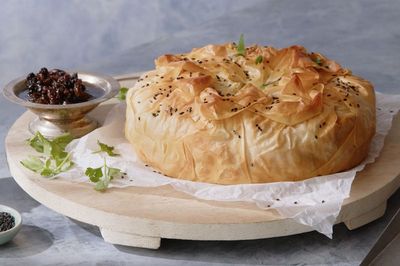
Chicken poaches in a heavily spiced broth (saffron, ginger, cinnamon, lemon). The shredded meat returns to a reduced sauce thickened with beaten eggs to make a soft set. Toasted almonds with sugar and cinnamon form a layer. Everything wraps in butter-brushed filo, baked golden, and dusted with icing sugar and cinnamon.
Doro Wat
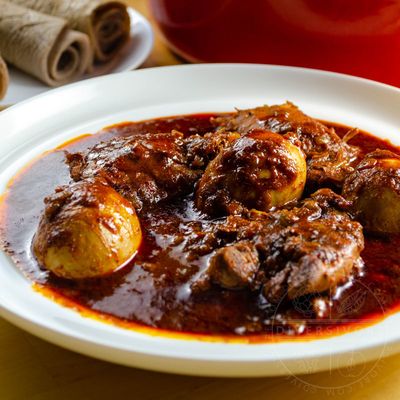
Ethiopia's national dish, the spiced chicken stew that turns up at every wedding, Easter feast and Christmas table, and the one dish a cook is judged on. The foundation is the onion - you cook it down slowly for nearly an hour into a deep dark base, and this is the step that decides whether the wat is great or merely acceptable. Berbere (the Ethiopian spice blend of chilli, fenugreek, ginger and a dozen others) and niter kibbeh (spiced clarified butter, the dish's defining fat) fold in. Chicken thighs and legs simmer in the deep red sauce, and hard-boiled eggs join late, scored with a knife so they take on the colour and the flavour. Eaten communally from a single platter, with injera flatbread torn into pieces to scoop the stew. No cutlery, no individual plates, hands clean before the meal.
Kabsa
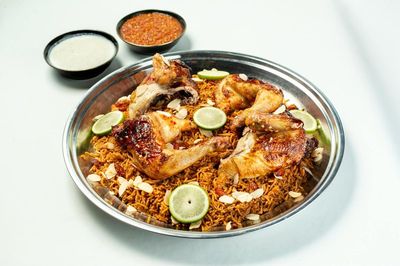
Saudi Arabia's national dish, the one platter you'll meet at almost every gathering from family lunch through wedding banquet. You brown chicken pieces or lamb shoulder hard in a heavy pot, then build a base of onion, garlic and ginger softened in the same fat, with tomato and a spoonful of baharat (or a dedicated kabsa spice mix) blooming until the kitchen fills with cardamom and cinnamon. The protein simmers in tomato and stock until it's tender and pulling away from the bone, then long-grain rice goes in to cook absorption-style in the same liquid, drinking up every layer of flavour the broth carries. You finish with almonds toasted in butter, raisins plumped briefly, and a fresh salsa of tomato, onion, chilli and parsley spooned on the side to cut the richness. Eaten communally from the centre platter, with hands or a long spoon.
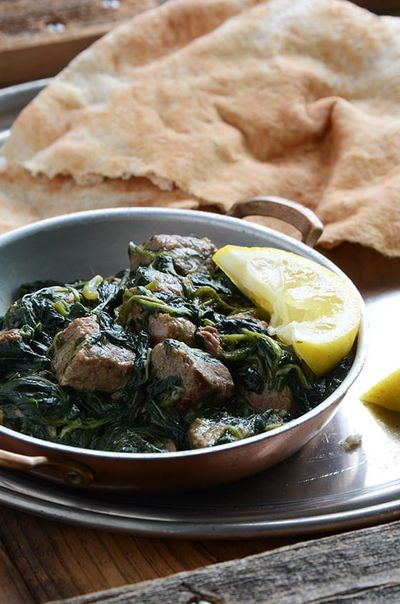
Molokhia with Meat
Bone-in chicken or beef simmers in stock 45-60 minutes with cardamom, bay and an onion to make a clear broth. Frozen chopped molokhia (or fresh chopped fine) goes in for the last 20 minutes, barely simmered, never boiled (over-boiling kills the texture). A taqliya of butter, garlic and ground coriander sizzles separately; poured hot into the pot at the end with a dramatic hiss. Serve over rice with lemon and bread.