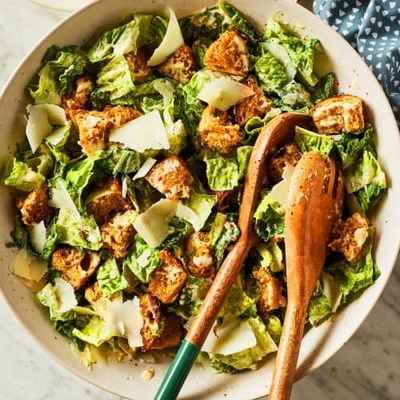
Caesar Salad
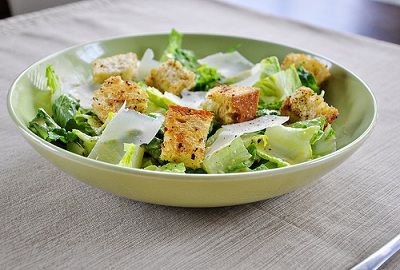
Croutons fry in olive oil with garlic. Romaine lettuce washes and crisps. Dressing whisks together: egg yolk, garlic, anchovies, mustard, lemon, parmesan, slowly emulsified with olive oil. Toss; pile on plates with shavings of parmesan.
Tap a chip to add another filter, or use Clear all below.
Croutons fry in olive oil with garlic. Romaine lettuce washes and crisps. Dressing whisks together: egg yolk, garlic, anchovies, mustard, lemon, parmesan, slowly emulsified with olive oil. Toss; pile on plates with shavings of parmesan.
A classic Roman salad featuring crisp cos lettuce coated in a rich, anchovy-based dressing with crispy croutons, tender chicken, and pancetta. The soft-boiled egg adds creaminess to the velvety emulsified dressing.
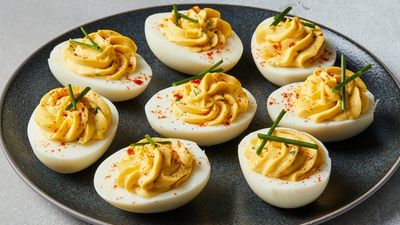
Deviled eggs are one of America's most enduring party foods, a fixture of Easter brunches, Thanksgiving tables, summer barbecues, and Sunday potlucks from coast to coast. The dish itself is much older than its American identity. Stuffed eggs flavoured with mustard, vinegar, and spices appear in Roman writings and remained popular across medieval Europe, but the term "deviled", meaning seasoned hot and spicy, took hold in eighteenth-century England and crossed the Atlantic with Anglo settlers. By the twentieth century, the American version had crystallised into the formula we recognise today: hard-boiled eggs split lengthwise, yolks scooped out and whipped smooth with mayonnaise, mustard, and a splash of vinegar, then piped or spooned back into the whites and finished with a dusting of paprika. The taste is luxurious in its simplicity. Creamy and rich, with a gentle tang and just enough mustard heat to justify the name, set against the cool, slightly springy bite of the white. Difficulty is genuinely low, but two details lift them from good to memorable: cooking the eggs just enough so the yolks are fully set but never grey-ringed, and seasoning the filling assertively, since cold dulls flavour. They are best made the day they will be eaten, although the eggs themselves can be boiled and peeled a day ahead.
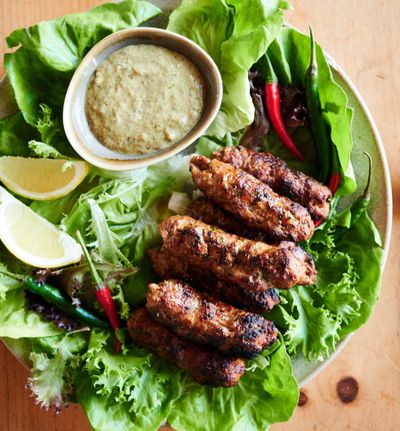
Seekh kebab is restaurant-quality barbecue. Unlike simple meatballs, seekh kebab is defined by its fine, dense, bound texture achieved through vigorous kneading. The spice profile is warm and aromatic without aggression. When charred over hot coals, the exterior develops a smoky, charred, visible "lace" pattern while the interior stays succulent. This is elegant Indian street food made at home, served with yoghurt and lemon.
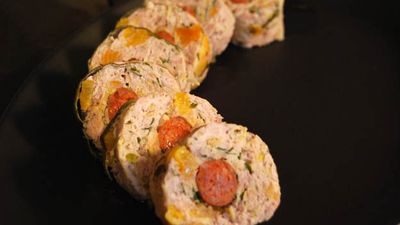
This richly flavoured stuffing combines pork sausage meat with sweet dried apricots, crunchy pistachios, and aromatic herbs, with nuggets of pan-fried chorizo tucked into each stuffing ball for a smoky surprise. It is designed to complement roasted game birds such as chicken, poussin, or turkey, providing both a cavity stuffing and individual balls for serving alongside. The combination of textures and sweet-savoury flavours makes it a standout element of a roast dinner.
Samosas are the ultimate Indian snack: crispy, angular parcels of golden filo pastry enclosing spiced, fragrant filling. The technique is simple yet satisfying, triangular folding, egg wash sealing, and oven-baking creates a light, shattering crust. Unlike deep-fried versions, these are baked for a lighter result while maintaining crispness. Serve warm with chutney, raita, or lemon juice. These are elegant enough for entertaining, casual enough for snacking.