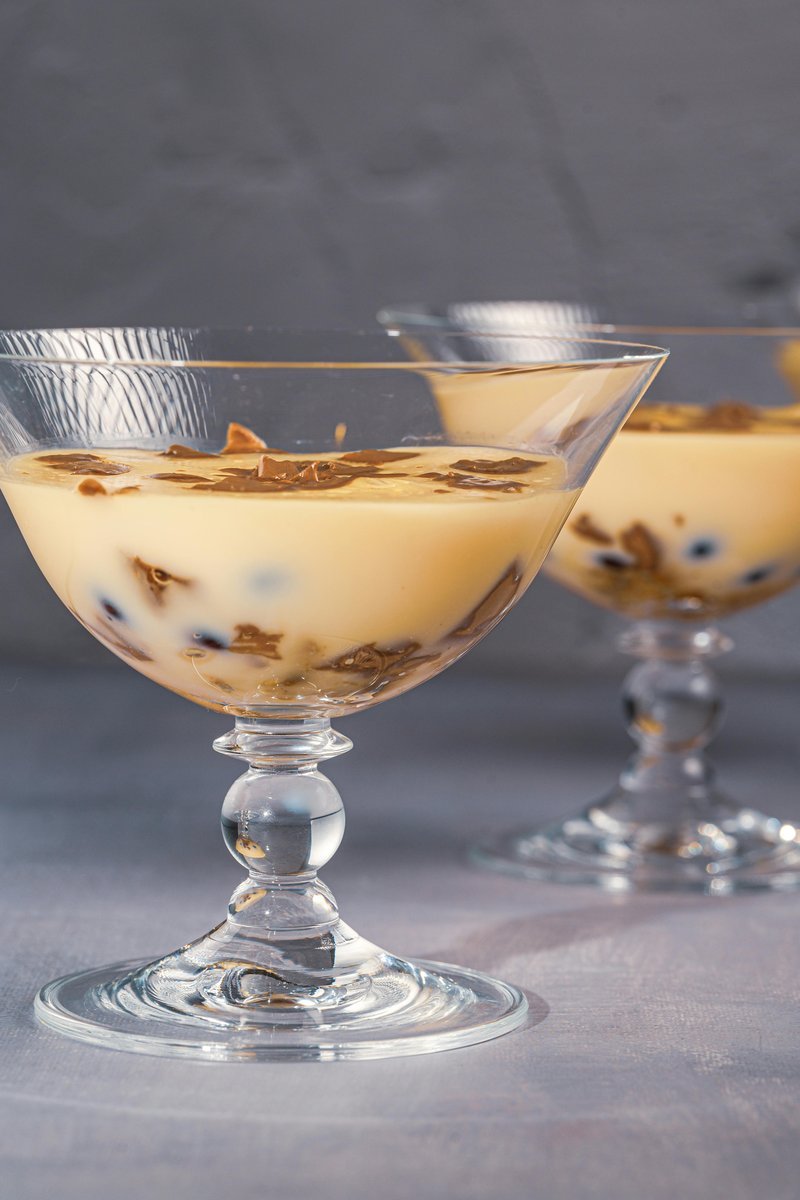
Sabayon
Serve the sabayon immediately - either in a glass as it is, or spoon it over a dessert such as a medley of red fruits, or fruit filled crêpes in a gratin dish and place under a hot grill until the sabayon is lightly grilled.
Overview
Sabayon is a classic French dessert sauce made by whisking egg yolks, sugar, and sweet wine over gentle heat until the mixture becomes pale, thick, and mousse-like. The technique relies on careful temperature control to cook the yolks without scrambling them, producing a light, ribbon-consistency foam. It can be served on its own in a glass or spooned over fruit and briefly gratinéed for a more indulgent finish.
Ingredients
- 100 ml Sauternes (or other sweet white wine)
- 3 egg yolks
- 40 grams caster sugar
Method
- Two-thirds fill a saucepan (large enough to hold a heatproof round-bottomed bowl) with warm water, and heat gently.
- Pour the Sauternes into the bowl, then add the egg yolks, whisking as you go.
- Carry on whisking as you stir in the sugar.
- Place the bowl over the saucepan, making sure that the bottom of the bowl is not in direct contact with the water.
- Continue whisking the mixture over the heat so that it gradually thickens, making sure that the temperature of the water in the pan increases steadily but moderately.
- After 8 - 10 minutes, the mixture should have reached a light ribbon consistency.
- It is essential to keep whisking all the time.
- When the temperature reaches 55°C, the sabayon is cooked.
- Turn off the heat and continue whisking until the sabayon has a very thick ribbon consistency and a fluffy, rich and shiny texture.
- Remove the bowl from the pan.
Marsala sabayon
For a richer sabayon, replace the Sauternes with Marsala, or Banyuls if you prefer. This is delicious spooned over summer berries and briefly gratinéed - either under the grill or using a cook's blowtorch.
Eau-de-vie sabayon
Replace the Sauternes with 75 ml eau-de-vie, such as raspberry or pear, or Kirsch, and add 50 ml water and an extra 20 grams sugar.
Notes
- Keep the water in the bain-marie at a gentle simmer rather than a rolling boil, too much heat will scramble the egg yolks before the mixture has time to thicken properly.
- Whisk constantly and without pause throughout the cooking; stopping even briefly can cause the eggs to curdle or the mixture to lose its emulsification.
- Use a thermometer to confirm the sabayon reaches 55°C, this is the point at which the yolks are safely cooked and the sauce will hold its fluffy ribbon consistency.
- Once the bowl is removed from the heat, keep whisking until the mixture cools slightly; this final stage builds the thick, shiny texture and prevents the sabayon from collapsing.
Serving
Serve with: summer berries, fruit-filled crêpes, or a medley of red fruits Temperature: warm, served immediately Amount: approximately 3-4 tablespoons per person
Storage
- Sabayon is best served immediately after making and does not keep well.
- If holding briefly, keep the bowl over warm (not hot) water and whisk occasionally for up to 15 minutes.
- Leftover sabayon can be refrigerated for up to 1 day; it will deflate but can be gently re-whisked over a bain-marie to partially restore its texture.
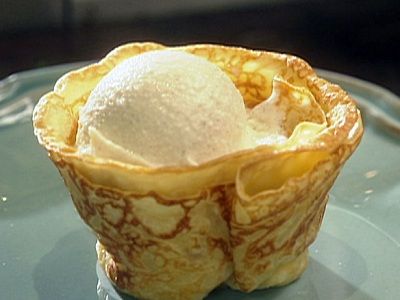
More like this
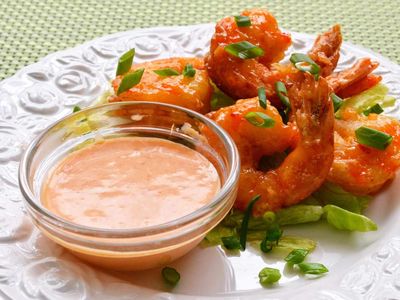
Bang Bang Sauce
A no-cook three-ingredient sauce. Mayo gives body, sweet chilli sauce brings the sweet-tart-mild-spice base, sriracha tops the heat to whatever level you want. Stirred together, ready immediately. Keeps for weeks in the fridge.
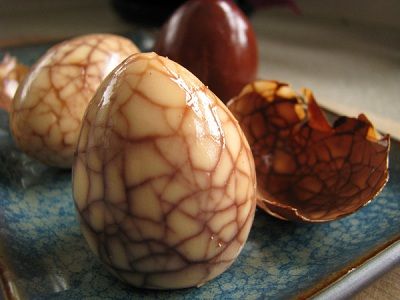
Marbled Tea Eggs
Marbled tea eggs are a classic Chinese preparation in which hard-boiled eggs are cracked and simmered in a spiced black tea broth, creating a striking web-like pattern on the surface once peeled. The soy sauce, cinnamon, and star anise infuse the eggs with a deep, aromatic flavour that complements their visual appeal. They are traditionally served cold and make an elegant garnish or snack alongside other cold dishes.
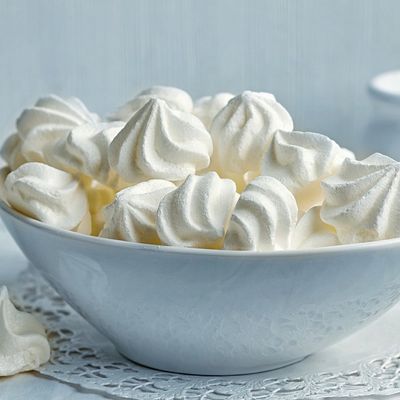
Meringue Francaise (French Meringue)
Meringue Francaise is the simplest meringue preparation, requiring only whipped egg whites, sugar, and icing sugar. Its light, airy texture and delicate crunch make it ideal for countless applications from simple piped kisses to structural components in layered desserts. The gradual addition of sugar and careful folding of icing sugar preserves the airiness essential to this preparation.
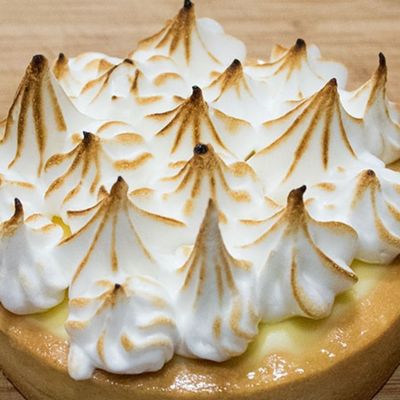
Meringue Italienne (Italian Meringue)
Meringue Italienne is a sophisticated meringue made by pouring hot sugar syrup onto whipped egg whites, creating a stable, silky meringue with a velvety mouthfeel. The cooked sugar stabilizes the egg whites, making this meringue less susceptible to weeping than French meringue. Its luxurious texture makes it ideal for piped decorations and as a base for creams like crème au beurre.