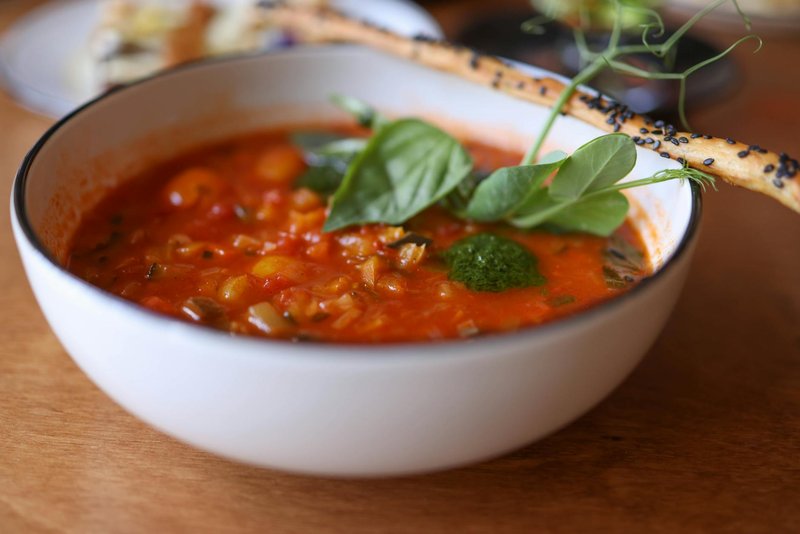
Soupe au Pistou
Provence's late-summer vegetable soup, finished at the table with a stir of fresh pistou - basil, garlic, olive oil and parmesan, pounded to a paste. Beans, courgettes, tomatoes, green beans simmer to tenderness in a clear broth; the pistou perfumes everything as it melts in. The smell of August in southern France.
Overview
A vegetable soup of cannellini beans, kidney beans, courgette, green beans, tomatoes and small pasta in a herb-scented broth. Pistou, Provençal pesto without nuts, gets pounded fresh in a mortar. Ladled into bowls; a generous spoonful of pistou stirred in just before eating.
Ingredients
Soup
- 3 tablespoons olive oil
- 1 onion (large, chopped)
- 2 leeks (sliced)
- 3 carrots (diced)
- 4 garlic cloves (crushed)
- 4 tomatoes (medium, skinned and chopped) or 1 x 400 g tin chopped
- 1 bay leaf
- 1 ½ litres vegetable stock
- 400 g tin cannellini beans (drained)
- 400 g tin red kidney beans (drained)
- 200 g green beans (cut in 3 cm)
- 2 courgettes (medium, diced)
- 100 g small pasta (ditalini or small shells)
- salt
- pepper
Pistou
- 1 large bunch basil (around 80 g; leaves only)
- 4 garlic cloves
- 50 g parmesan cheese (finely grated)
- 5 tablespoons olive oil
- ½ teaspoon salt
Method
Stage 1 - Vegetables
- Heat the oil in a large pot over medium heat.
- Cook the onion, leeks and carrots 8 minutes until soft.
- Stir in the garlic; cook 1 minute.
Stage 2 - Build the broth
- Add the tomatoes, bay leaf and stock; season with salt and black pepper.
- Bring to the boil; reduce to a simmer.
- Cook 15 minutes.
Stage 3 - Beans and remaining vegetables
- Add the cannellini, kidney beans and green beans.
- Simmer 10 minutes.
- Add the courgettes and pasta; cook 8-10 minutes more until the pasta is just al dente and the courgettes are tender.
Stage 4 - Pistou
- While the soup finishes, pound the basil and garlic to a coarse paste in a mortar (or pulse in a small food processor).
- Stir in the parmesan and olive oil and salt.
Stage 5 - Serve
- Discard the bay leaf.
- Taste the soup; adjust salt and pepper.
- Ladle into bowls; pass the pistou at the table.
- Each diner stirs in a heaping spoonful as they eat.
Notes
- Pistou not pesto: No pine nuts; no toasted seeds; just basil, garlic, oil and cheese. Lighter, more direct flavour.
- Add the pistou off the heat: Stirring it into the boiling pot kills the basil's freshness. Always at the table.
- Bean substitutions: Borlotti, butter beans, fresh shelled beans are all traditional. Use what's good; the variety is part of the dish.
Storage
- Soup keeps 4 days refrigerated; freezes 3 months. Pistou is best fresh; refrigerated keeps 2 days.
Recipes mentioned here
Vegetable Soup
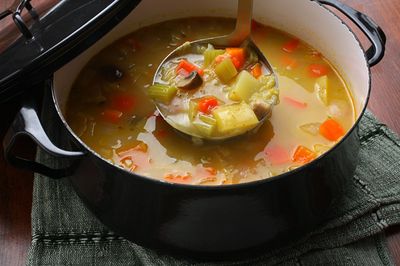
A nourishing chunky vegetable soup that gets cooked at the end of the week when there's an awkward collection of half-vegetables in the fridge that needs a home. You build a base of onion, garlic and celery softened slow in butter, then add whatever's around: squash, carrots, courgettes, leeks, leftover green beans, a tin of cannellini or butter beans. A light tomato broth pulls everything together, and the soup simmers gently until the vegetables are just tender. Best the next day, by which point the flavours have settled into each other. Eaten with crusty bread, a wedge of cheese on the side, the lid back on the pot for tomorrow's lunch.
Pesto
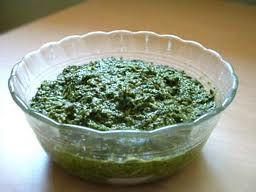
Pesto represents the height of simplicity: five ingredients (basil, garlic, pine nuts, olive oil, Parmesan) combined to create a sauce of profound flavor and silky texture. The key to successful pesto lies in ingredient quality and processing technique. Fresh, fragrant basil is non-negotiable; aged or heat-stressed basil creates harsh, off-flavored results. Pine nuts must be fresh (rancid pine nuts ruin pesto instantly). Garlic should be mild and rounded by the pesto's other elements. Parmesan must be freshly grated; pre-grated cheese creates a grainy, inferior result. Traditional pesto is made by mortar and pestle, which bruises rather than cuts the basil, preserving its vibrant green color and fresh character. Modern food processors work adequately but can create a less vibrant result if over-processed.
More like this

Fasolada
Soaked beans simmer slow with chopped vegetables, tomato and herbs in a generous pour of olive oil. Lemon juice goes in at the end to brighten. Served with a final drizzle of oil, maybe a sprinkle of feta and a heel of bread.
Lamb Stew (Navarin d'Agneau)
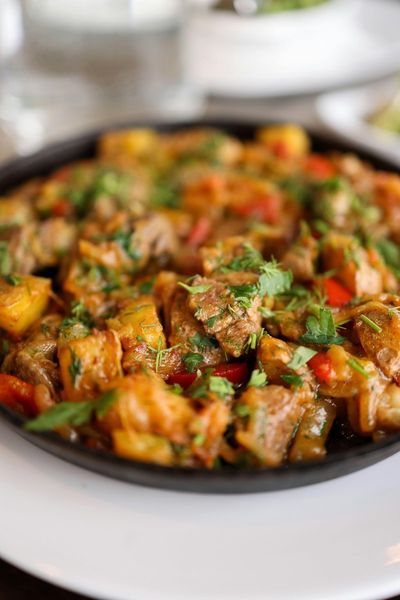
Navarin d'agneau is a classic French spring stew, combining three different cuts of lamb, shoulder, neck, and breast, for complex flavor and varied texture. The meat braises in a light tomato and stock base, enriched with aromatic vegetables and finished with glazed pearl onions and tender potatoes. The balance of tender vegetables and well-cooked lamb creates a rustic yet refined dish that exemplifies peasant cooking elevated to art.
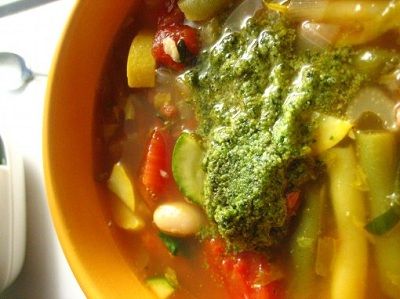
Minestrone with Pesto
This hearty Italian minestrone soup is loaded with vegetables, beans, and pasta, topped with fresh pesto. A comforting and nutritious dish that captures the essence of Italian home cooking. Serve with crusty bread for a complete meal.
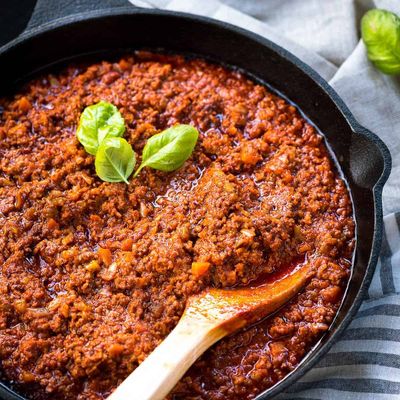
Restaurant-Style Ragù
True ragu demands patience, precision, and respect for the process. Ground beef (or a beef and pork mix) browns deeply in batches to build caramelization without steaming. Aromatic vegetables soften slowly until sweet. Tomato paste darkens and concentrates its flavor through caramelization. Red wine deglazes and cooks off. Then comes the long, gentle simmer, 1 hour 45 minutes to 2 hours, where flavors meld and deepen into something far greater than the sum of its parts. This is not a quick sauce; it is an investment in excellence.