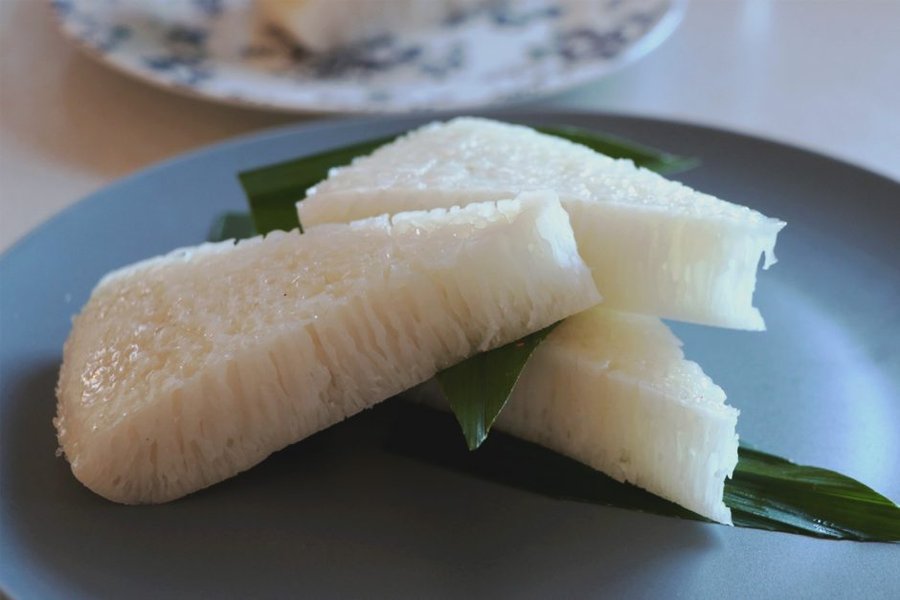
Rice Cake
A Chinese pressed rice cake: cooked short-grain rice pressed into a tin and cut into cubes.
Overview
Rice cake is a traditional Chinese preparation that transforms the crispy crust that forms at the bottom of a pot of slow-cooked rice into a versatile, crunchy ingredient. Once dried and deep fried, it develops a light, airy texture that sizzles dramatically when dropped into hot soup or stock. It is most famously used in Sizzling Rice Prawns and is a testament to the resourcefulness of Chinese cooking.
Ingredients
- 225 grams long grain white rice
- 570 ml water
- 2 teaspoons groundnut oil
Method
Steaming the rice
- Wash the rice and put it, with the water in a wide heavy pot.
- Bring the water to the boil over a high heat, then immediately reduce the heat to very low.
- Cover and let the rice cook for 45 minutes.
- The rice should form a heavy crust on the bottom.
- Remove all the loose surface rice, leaving the heavy crust.
- This loose rice can be used for making fried rice.
Making the rice cake
- Dribble the oil evenly over the top of the crust and let it cook over a very low heat for 5 minutes.
- The crust should lift off easily at this point. If it is still sticking, add another teaspoon of oil and continue to cook until the whole thing comes loose.
- Put the crust onto a plate until it is ready for use.
- Once it has been cooked, it can be left at room temperature for several days. Do not cover it, as moisture will form and the cake will lose its crunchy texture.
- Let the rice cake dry out, and it is then ready to be deep-fried and put into hot chicken stock to make a soup or used for Sizzling rice prawns.
Notes
- Use a wide, heavy-based pot to encourage an even, thick crust to form across the bottom of the pan.
- The cooking time of 45 minutes over very low heat is longer than standard steamed rice, resist lifting the lid, as steam is essential to the process.
- Once the crust lifts off, do not cover it during drying; any moisture will destroy the crunchy texture that makes it suitable for deep frying.
- The loose surface rice removed before oiling can be set aside and used for fried rice, avoiding waste.
Serving
Serve with: Sizzling Rice Prawns, or dropped into hot chicken stock for a soup; can also be served as a snack with a drizzle of oil and salt Temperature: deep fried immediately before serving so it sizzles on contact with liquid or sauce Amount: one rice cake (from the bottom of the pot) serves 4 as a component in a dish
Storage
- Once lifted and dried, the rice cake can be kept uncovered at room temperature for several days.
- Do not cover or refrigerate the dried cake, as moisture will cause it to lose its crunch.
- Deep fry only when ready to serve; once fried it should be used immediately.
Rice cakes were probably invented by a thrifty Chinese cook centuries ago in order to make use of that thin layer of rice which gets stuck to the bottom of the pot. This crispy leftover has evolved into an accompaniment to many dishes. Its taste and crunchy texture go deliciously with Sizzling rice prawns, or as a snack with a touch of oil and salt. The best rice to use for this is long grain white rice. The technique used for cooking is essentially the same as steamed rice, but the cooking time is longer.
Recipes mentioned here
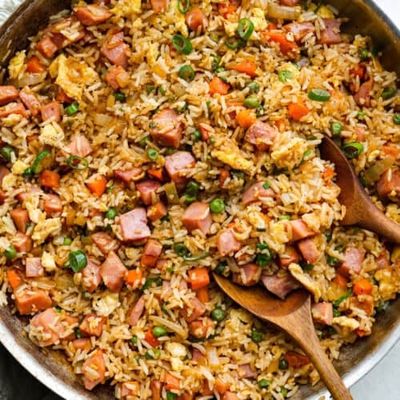
Fried Rice
Fried rice is fundamentally about texture contrast: individual grains coated entirely with hot oil, remaining crispy and separate, never clumped or greasy. Success requires three critical elements: Cold rice (overnight-refrigerated best), sufficiently hot oil (nearly smoking), and a light hand with seasonings. The beaten egg is never pre-cooked; instead, it's added raw to the hot rice and oil where residual heat cooks it silkily, coating the grains. Bean sprouts provide fresh textural contrast. This is not comfort food; it's refined technique applied to simple ingredients.
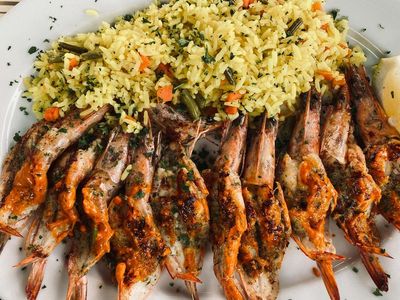
Sizzling Rice Prawns
This is a dramatic dish sure to earn you compliments. Moderately easy to make but requiring organisation and some Chinese cooking experience. The key to success is that both the prawn sauce mixture and rice cake must be fairly hot, this creates a dramatic, theatrical sizzle when they combine. A showstopping presentation perfect for entertaining.
More like this
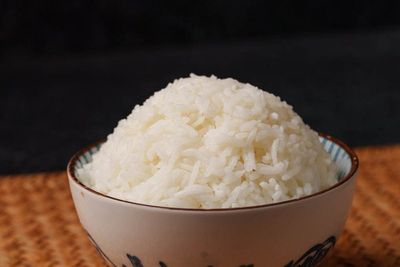
Steamed Rice
Chinese steamed rice exemplifies the power of patience and precise technique. The key principle is using high heat initially to evaporate surface water visibly (watching for characteristic "crater" pattern), then radically reducing heat to allow gentle steaming. The lid must never be opened during steaming; this breaks the seal and ruins the delicate cooking process. The result is fluffy rice with grains that remain separate, never mushy or sticky. Long-grain rice (jasmine or basmati) works best; short-grain varieties retain excess moisture and become sticky regardless of technique.
Chinese Pickled Cucumber
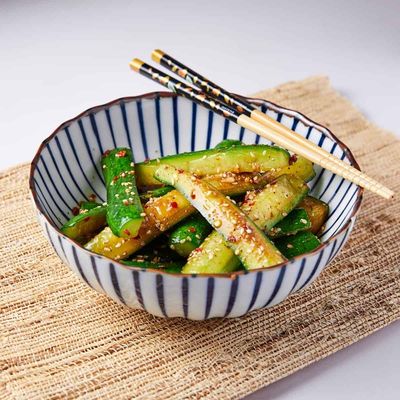
Cucumbers are cut into spears (or smashed-and-torn for a rougher texture), salted heavily in a colander 30 minutes to weep, then patted dry. A brine of rice vinegar, sugar, light soy, water, sliced ginger, Sichuan peppercorns and dried red chillies brings to a gentle simmer just to dissolve the sugar; cools to room temperature. The drained cucumber goes into a jar; the cooled brine pours over to submerge; refrigerated for 1 hour minimum (overnight ideal). Eats cold straight from the jar.
Crispy Cabbage
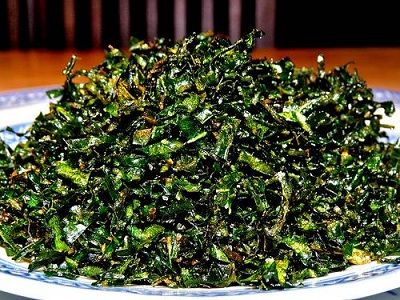
Crispy cabbage is a simple but satisfying deep-fried side dish that transforms savoy cabbage into light, golden, salted morsels with a satisfying crunch. Using a mix of outer and inner leaves creates a pleasing range of colour and texture, proving that cabbage can be far from tasteless or soggy.
Mapo Tofu (Vegetarian)
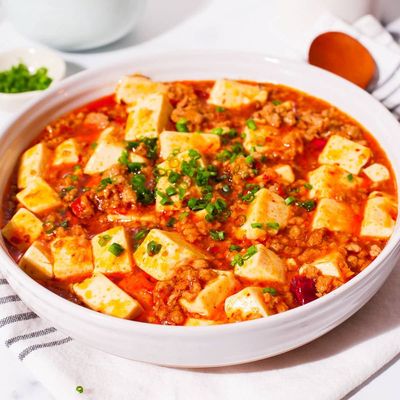
Silken tofu poaches briefly in salted water (firms it up so it doesn't break). Dried shiitake mushrooms rehydrate and chop fine. Doubanjiang fries in oil until the oil reddens; mushrooms, garlic, ginger and chilli flakes follow. Stock loosens; tofu joins gently; cornflour slurry thickens. Sichuan peppercorn dust at the table.