Murgir Jhol
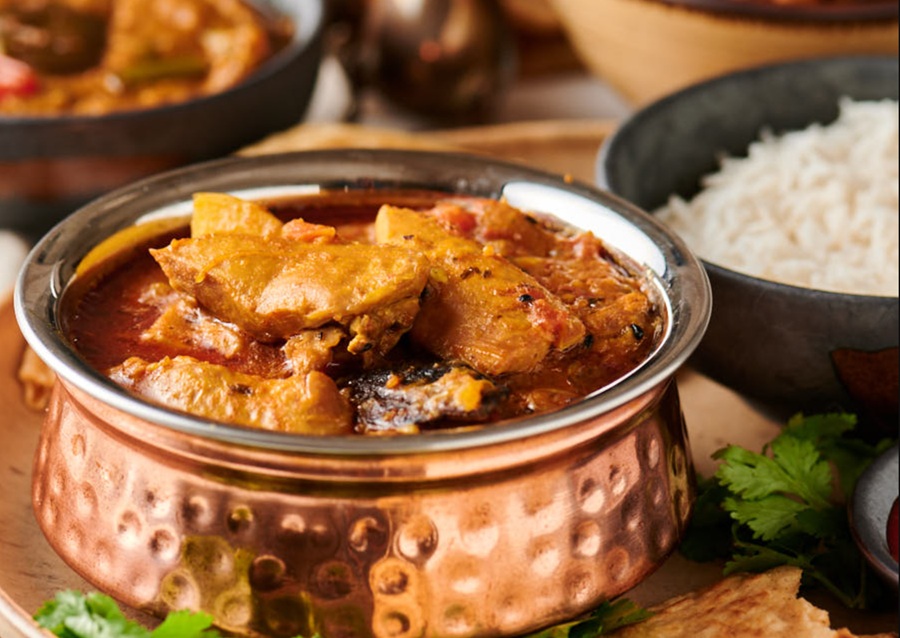
A classic Bengali chicken and potato curry: bone-in chicken and pale gold potatoes simmered in a light mustard-oil gravy fragranced with whole spices and ginger.
Overview
The everyday Bengali household chicken curry, the antithesis of the heavy, cream-rich curry-house style. "Jhol" means a thin, soupy gravy, and that's exactly what murgir jhol is: bone-in chicken and chunky golden potatoes simmered in a fragrant amber broth you eat with steamed rice, mopping up every drop. You heat mustard oil to smoking point to take the raw edge off, then temper whole bay, cinnamon, cardamom and clove in the hot fat. Browned onions, freshly pounded ginger and a measured hand of turmeric give the gravy its colour and warmth; tomato goes in sparingly, just enough to round the edges without turning the broth red. The chicken and potatoes cook together gently for about thirty minutes, the meat falling tender as the broth concentrates. Steamed gobindobhog rice on the side, a wedge of lime, perhaps a green chilli on the rim of the bowl for whoever wants more heat.
Ingredients
Chicken and potatoes
- 1 kg chicken (on the bone, skinless, cut into curry pieces)
- 3 medium potatoes (peeled, quartered)
- 1 teaspoon turmeric (for rubbing the chicken)
- 1 teaspoon salt (for rubbing the chicken)
Whole spices
- 4 tablespoons mustard oil
- 2 Indian bay leaves (tej patta)
- 5 cm piece cinnamon (cassia bark)
- 4 green cardamom pods (bashed)
- 4 cloves
- 1 dried red chilli (optional, broken)
Masala
- 2 onions (medium, finely sliced)
- 2 tablespoons garlic and ginger paste
- 1 tomato (large, finely chopped)
- 1 teaspoon turmeric
- 1 tablespoon ground coriander
- 1 teaspoon ground cumin
- 1 teaspoon Kashmiri chilli powder
- 2 green chillies (slit lengthways)
- 1 teaspoon sugar
- Salt (to taste)
Liquid and finish
- 600 ml water (or light chicken stock)
- 1 teaspoon Garam Masala
- 1 teaspoon ghee (optional, to finish)
- A handful of fresh coriander (chopped)
Method
Stage 1 - Rub the chicken
- Pat the chicken dry with kitchen paper.
- Rub with the first teaspoon of turmeric and the salt.
- Set aside for 10 minutes while you prep the rest.
Stage 2 - Par-fry the potatoes
- Heat the mustard oil in a large heavy-based pan over medium-high heat until it just starts to smoke, then reduce the heat slightly (this drives off the raw bite and is the Bengali starting point).
- Slide the potato quarters into the oil and fry for 5 to 6 minutes, turning, until lightly golden on the edges.
- Lift the potatoes out with a slotted spoon and set aside.
Stage 3 - Bloom the whole spices
- Drop the bay leaves, cinnamon, cardamom, cloves and (optional) dried red chilli into the same oil.
- Sizzle for 30 seconds until fragrant - keep them moving so they don't catch.
Stage 4 - Build the masala
- Add the sliced onions and a pinch of salt.
- Cook over medium heat for 10 to 12 minutes, stirring often, until deep golden brown - this is where the gravy's depth comes from, so don't rush it.
- Stir in the garlic and ginger paste; cook for 1 minute until the raw edge is gone.
- Add the chopped tomato; cook for 4 to 5 minutes, mashing it down with the back of the spoon until it breaks into the oil.
- Sprinkle in the turmeric, ground coriander, ground cumin and Kashmiri chilli powder.
- Stir for 30 seconds, adding a splash of water if the spices threaten to catch.
Stage 5 - Seal the chicken
- Add the rubbed chicken pieces.
- Stir well to coat every piece in the masala.
- Fry over medium heat for 5 minutes, turning, until the surface of the chicken is sealed and the oil starts to separate at the edges of the pan.
Stage 6 - Simmer the jhol
- Return the par-fried potatoes to the pan along with the slit green chillies and the sugar.
- Pour in the water (or stock) - the gravy should be loose, more broth than sauce.
- Bring to a gentle simmer, then lower the heat, cover, and cook for 25 to 30 minutes until the chicken is tender and the potatoes are completely soft.
- Stir occasionally to stop anything catching on the base.
- Taste and adjust salt.
Stage 7 - Finish
- Uncover and let the gravy reduce for 2 to 3 minutes if it's still thinner than you'd like (it should stay loose - this isn't a thick masala).
- Sprinkle over the garam masala and dot in the ghee, if using.
- Cover and rest off the heat for 5 minutes.
- Top with chopped coriander.
Notes
- Mustard oil is the dish. Bengali cooking is built on the warmth and pungency of mustard oil; vegetable oil works as a substitute but flattens the flavour noticeably. Always heat it to smoking before anything else goes in - that step turns the raw bite into something gentler and nutty.
- Don't skimp on the onion browning. Deep, dark onions are what give the jhol its colour and savoury backbone. Pale onions = pale, weak gravy.
- Bone-in matters. The bones release gelatin and marrow into the thin gravy as it simmers, giving it the unctuous mouthfeel that's the whole point of a jhol.
- Heat level. The slit green chillies infuse without making the dish very hot. For more punch, leave them whole and bite around them at the table - the Bengali way.
Serving
Serve with steamed long-grain rice (chelo / plain basmati), a wedge of lemon, and a side of dal. Some salted slices of cucumber or a quick onion-and-green-chilli salad on the side cut through the richness.
Storage
- Refrigerate up to 2 days in an airtight container. The flavour deepens overnight and many cooks consider day-two jhol better than day-one.
- Freeze up to 2 months; thaw overnight in the fridge before reheating.
- Reheat gently with a splash of water to loosen the gravy back to its loose, brothy consistency.
More like this
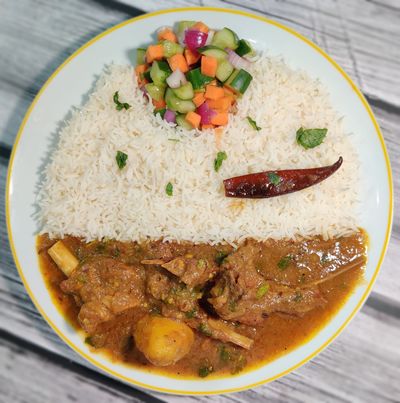
Mangshor Jhol
The wet-style mutton counterpart to the drier, slow-bhuna kosha mangsho - and the more everyday of the two. "Jhol" means a thin, soupy gravy and mangshor jhol is exactly that: bone-in goat or mutton cooked low and slow with potatoes in a light, aromatic broth that you ladle generously over rice. You heat mustard oil to smoking to take the raw edge off, temper whole bay and cinnamon in the hot fat, then brown the onions deeply and add a measured hand of turmeric to give the gravy its colour and weight. The bones contribute marrow to the broth as the meat tenderises over an hour or so, and the potatoes go in late enough that they soften without disintegrating. Eaten with a mound of plain steamed rice, a wedge of lime, and a thin slick of mustard oil scattered with raw onion on the side. A Sunday lunch dish for a Bengali household, served from the same pot it was cooked in.
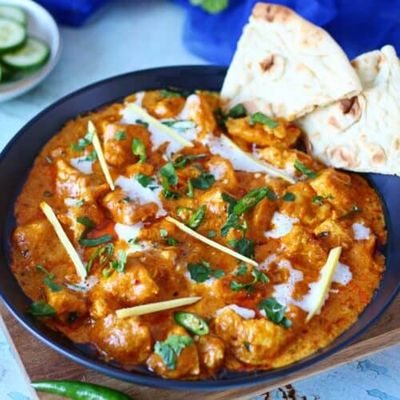
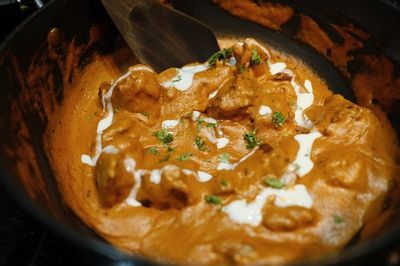
Authentic Chicken Handi
A rich, ghee-laden chicken handi cooked in the traditional style, featuring tender chicken thighs simmered in a spiced tomato-onion base with yoghurt and cream. Named for the handi pot, this dish varies by chef but delivers deep, authentic flavors.
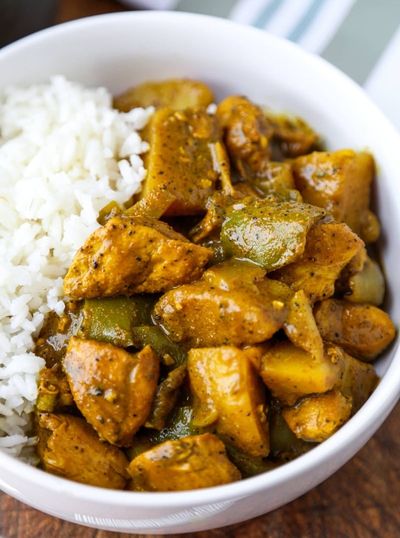
Authentic Jamaican Curry Chicken
Jamaican curry sits in its own corner of the global curry map: heavier on turmeric and allspice than Indian Madras, lighter on cumin, and built on a technique called "burning the curry" that gives the dish its character. The technique is exactly what it sounds like, dry curry powder hits hot oil and is stirred for 30 seconds until it darkens from yellow to deep gold and smells like toasted spice. That move concentrates the flavours and removes any raw edge. The finished stew is bright yellow stained slightly orange, savoury and aromatic rather than searingly hot, with thyme and a whole pierced Scotch bonnet scenting the gravy without flooring it. Smell: bloomed curry powder, allspice, browned chicken fat. Not difficult, but requires confidence in the 30-second bloom (under-do it and the dish is flat; over-do it and you have to start over). A Sunday-dinner staple across Jamaica and the diaspora, served over white rice with the gravy spooned generously over.
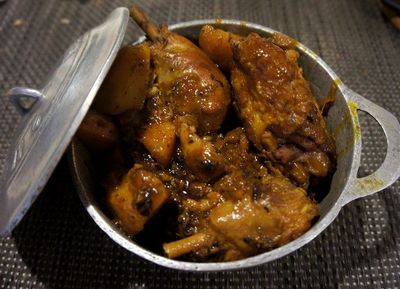
Cari Poulet Et Pomme de Terre
Mauritian cuisine is a layered conversation between Indian, African, Chinese and French traditions, and cari poulet is one of its clearest expressions. The Creole community took the Indian template of a wet curry and rebuilt it with local fresh herbs, particularly thyme and curry leaves grown in the yard, plus tomato, and a masala that is gentler and more aromatic than its mainland Indian cousins. Chicken on the bone is browned for fond, then potatoes are added and the whole pot is simmered in a curry-leaf and tomato gravy until the meat is falling off the bone and the potatoes are creamy on the outside but holding shape. The colour leans red-brown from paprika and turmeric rather than the bright yellow of a Punjabi-style curry. Heat is moderate, intended to complement rice and a chilli-based satini, not overwhelm them. For a home cook the difficulty is low to moderate; the only real demand is patience while the masala blooms in the oil at the start, which is what gives the dish its depth. Serve over plain steamed rice with a coriander satini and a spoon of green chilli pickle, the classic Mauritian Sunday plate.