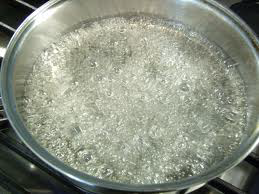
Syrup for Sorbet (Sirop à Sorbet)
This is the classic French sugar solution used for all sorbets. The precise sugar concentration (30° Beaumé) ensures proper freezing texture and prevents crystallization.
Overview
Sirop à sorbet is a carefully calibrated sugar syrup essential to sorbet making. The specific sugar concentration (30° Beaumé or 1.2624 density) ensures that sorbets freeze to a smooth, spoonable texture without becoming rock-hard or remaining mushy. This syrup is also used for soaking sponge biscuits and Genoise sponges in French pastry work. The glucose prevents crystallization. This is a foundation recipe used repeatedly in fine pastry and ice cream work.
Ingredients
- 750 grams caster sugar (fine sugar dissolves most readily)
- 650 ml water (filtered water is preferred)
- 90 grams glucose syrup (liquid or solid; liquid dissolves more easily)
Method
Stage 1 - Combine Ingredients
- Pour the water into a heavy-bottomed saucepan.
- Add the caster sugar.
- Add the glucose syrup.
- Stir gently with a wooden spatula to begin dissolving the sugar.
Stage 2 - Bring to Boil
- Place the saucepan over medium heat.
- Stir occasionally with a wooden spatula as the mixture heats.
- Bring slowly to a gentle boil (don't rush; slow heating prevents crystallization).
- Continue boiling gently for about 3 minutes.
- Skim the surface with a spoon to remove any foam or impurities that rise.
Stage 3 - Check Density (Optional but Recommended)
- If you have a saccharometer (hydrometer for sugar solutions), test the syrup.
- The reading should be exactly 30° Beaumé or 1.2624 on the specific gravity scale.
- If too light, continue boiling slightly longer; if too heavy, add a small amount of water and reboil.
Stage 4 - Strain & Cool
- Pass the hot syrup through a fine conical strainer (chinois) into a clean bowl.
- This removes any impurities or crystallized sugar.
- Let the syrup cool completely to room temperature before using.
- Once cool, transfer to a clean, airtight container.
Notes
- Temperature Precision: The sugar concentration is critical to sorbet texture. Too concentrated and the sorbet becomes icy; too dilute and it won't freeze properly.
- Glucose Purpose: Prevents sugar crystallization, which would create a grainy texture.
- Thermal Shock: Cool the syrup completely before using in sorbet machines, or it will damage the machine and produce poor results.
- Saccharometer Reading: If you don't have a saccharometer, follow the visual test: the syrup should look pale golden, not caramelized or dark.
- Water Quality: Mineral-free water (filtered or distilled) prevents cloudiness and off-flavors.
Variations
Lighter Syrup (28° Beaumé): Use 700 grams sugar instead of 750 for less-cold-sensitive sorbets. With Flavoring: Infuse the syrup with citrus zest, vanilla, or herbs while cooling. For Sponge Soaking: Use this same syrup to soak Genoise or sponge fingers for dessert assembly.
Serving
Use for: Sorbets, granite, sponge soaking, Italian meringues that need cooling syrup Temperature: Room temperature to cool Amount: Varies by sorbet recipe (typically 300-400 ml per quart of sorbet base)
Storage
- Refrigerate in an airtight, glass container for up to 3 months
- The glucose prevents crystallization, so this keeps indefinitely under cool conditions
- Do not freeze; cooling to below 0°C causes crystallization
- Label with the date and density for reference
More like this
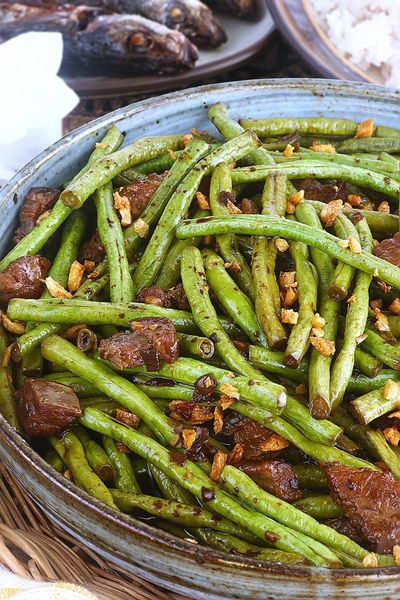
Adobong Sitaw
Garlic browns in oil; long beans toss in to colour briefly. Soy and vinegar pour in with bay and peppercorns; the beans braise covered until tender. Lid off; the liquid reduces to a glaze. Salt at the end, not the start, since soy is salty enough.
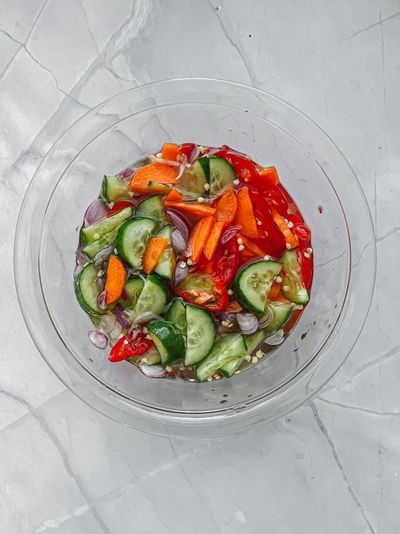
Ajad
A simple syrup of rice vinegar, palm sugar, water and salt is brought to a gentle simmer to dissolve the sugar, then cooled. Cucumber, shallot and chilli are sliced thin and combined in a small bowl. The cooled syrup is poured over. Rested for 10-15 minutes for the vegetables to wilt slightly into the dressing. Served in small individual ramekins as a dip, OR in a larger bowl as a side, with peanuts sprinkled on top.
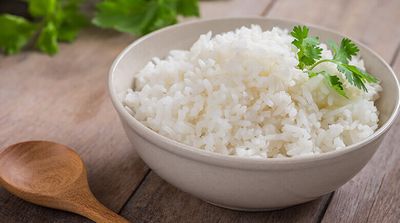
Arroz Blanco Hondureño
Long-grain rice is toasted briefly in oil with onion, garlic and sometimes a small piece of bell pepper. Hot water and salt go in; the pot is covered tightly and the rice cooks undisturbed for 18 minutes. Five minutes' rest off the heat finishes the steaming. The grains stay separate.
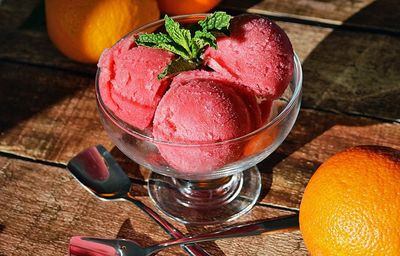
Blood Orange Sorbet
A refreshing, jewel-bright sorbet made from tart blood orange juice infused with a hint of thyme and chilli, creating a sophisticated palate cleanser or light dessert. The deep crimson color and complex flavors make this an elegant choice for finishing a meal, and its intense acidity balances rich preceding courses.