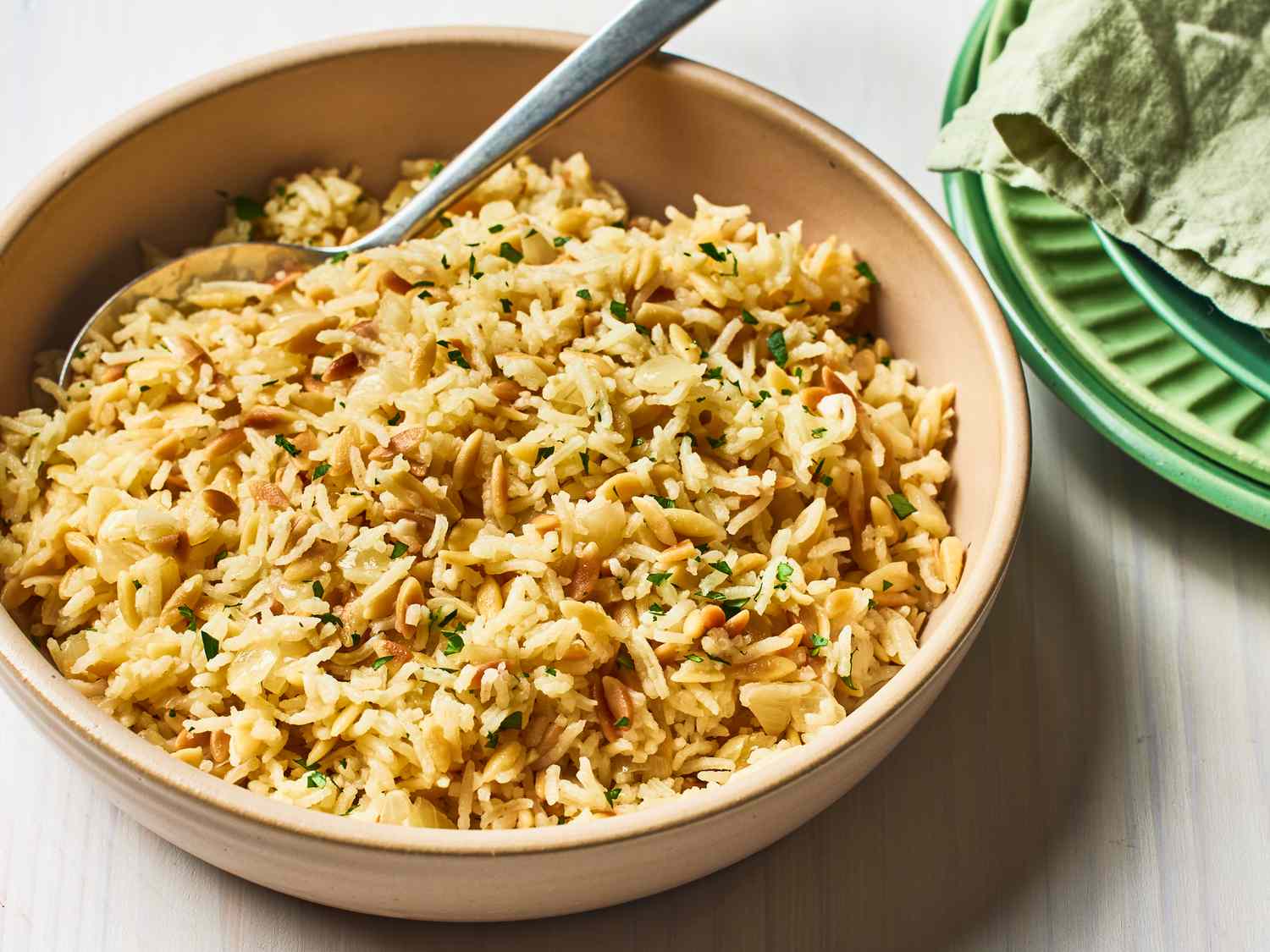
Pilaf
Pilaf is rice with a head start: a quick fry in fat with whole spices before any water touches it. The grains pick up flavour, stay separate as they cook, and gain a nutty edge that plain steamed rice never quite gets. Persians, Indians, Afghans, Turks and East Africans all have their own version, and once you've got the basic move, theirs slot right in.
Overview
Pilaf (also spelled pilau, pulao, polow, plov, depending on the cuisine) is the most versatile of the rice methods. It is the standard for everyday eating across an enormous swathe of the world: from Iranian polo through Indian pilau, Lebanese rice-and-vermicelli, Afghan kabuli pulao, Uzbek plov, East African pilau and Turkish pilav. Every cuisine has its own version, but they share the same two-step technique:
- Fry first. Rice is sautéed in fat (ghee, butter, oil) with whole spices until the grains turn translucent at the edges and smell toasted.
- Absorb after. Hot liquid (stock or water) is added; the pan is covered; the rice cooks by absorption until the liquid is gone.
The fry step is what separates pilaf from plain steamed rice. The fat coats each grain in a thin film, which keeps the grains from sticking together during the absorption phase. The spices fried in the oil give the dish its flavour profile.
The Universal Template
This is the form pilaf takes everywhere. Different cuisines vary the spices and the liquid.
Ingredients (Serves 4)
- 300 g long-grain rice (basmati for Indian, jasmine for Thai, long-grain Carolina for Persian/Lebanese)
- 2 tbsp ghee, butter or vegetable oil
- 1 small onion, finely chopped
- Aromatic spice base (varies by cuisine - see below)
- 450 ml hot stock (chicken, vegetable, or water)
- ½ tsp salt
Method
Rinse the rice under cold water until the water runs from milky to mostly clear. Drain thoroughly.
Heat the fat in a heavy-based pan over medium heat. Add the chopped onion, cook for 3-4 minutes until softened and translucent.
Add the whole spices. Fry for 30-45 seconds until aromatic. Do not burn them.
Add the rinsed, drained rice. Stir to coat every grain in the oil. Continue stirring on medium heat for 2-3 minutes. The rice should turn slightly translucent at the edges and smell faintly toasted. This is the bhuna step; do not skip it.
Pour in the hot stock. Stir once. Add the salt.
Bring to a boil. As soon as it boils, reduce to the lowest heat. Cover with a tight-fitting lid.
Cook covered for 12-15 minutes. Do not lift the lid.
Off the heat, leave covered for another 10 minutes. The rice continues to absorb steam during this rest.
Lift the lid. Fluff with a fork. Serve.
Total time: 35 minutes (mostly hands-off).
Variations by Cuisine
Indian Pilau
Whole spices in step 3: 4 cardamom pods (bruised), 1 cinnamon stick, 4 cloves, 2 bay leaves. Liquid: chicken or vegetable stock. Garnish: fried onion, raisins, sliced almonds.
See: Pilau Rice, Kashmiri Pulao.
Jeera (Cumin) Rice
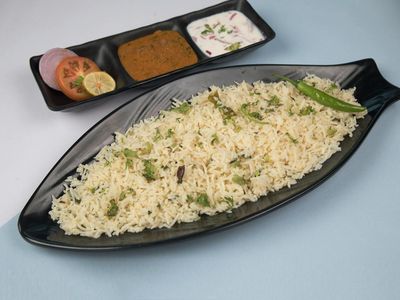
A simpler Indian version. Spices in step 3: 1 tsp cumin seeds, 1 bay leaf. Nothing else. The cumin dominates and pairs beautifully with dal.
See: Jeera Rice.
Persian Polo
The rice is parboiled (boiled briefly in plenty of water) for 5 minutes first, then drained and steamed over a thick layer of fat. The bottom layer crisps into the tahdig. Saffron infused in hot water is drizzled over the cooked rice. Different technique to the universal template, but the principle (fry + absorb) holds.
Lebanese Rice and Vermicelli
A handful of broken vermicelli noodles is fried in butter until golden brown before the rice goes in. The vermicelli adds nutty flavour and visual interest. No whole spices.
Afghan Kabuli Pulao
The pilau is built around shredded carrots, sultanas and lamb. Carrots and raisins are first caramelised in fat, then the rice is added on top with the cooking liquid. Saffron tints the top layer.
Uzbek Plov
Cooked in a kazan (a wide pot). Lamb and fat are seared first, then onions and carrots, then rice goes on top in a thick layer and the liquid is added carefully so as not to disturb the layering. The finished dish has visible strata.
East African Pilau
A Swahili-coast preparation, Indian and Arab influence. Whole spices: cinnamon, cardamom, cloves, black pepper. Cooked with cubes of beef or goat. Often served with kachumbari (a fresh tomato-onion-chilli salad).
Turkish Pilav
Often made with bulgur instead of rice. Method otherwise identical: fry the bulgur in butter, add hot stock, cover, absorb.
The Aromatic Base
Different cuisines layer different aromatics in the fry step. The standard rotation:
- Onion: the foundation. Chopped fine, fried until soft and translucent (but not browned, unless making Persian polo).
- Whole spices: the cuisine signature. Always added after the onion is softened, fried just 30-45 seconds to release oils.
- Garlic and ginger: optional. Goes in with the onion in Indian versions.
- Tomato puree: optional. Adds depth in Uzbek and East African pilau. Goes in after the onion, before the rice.
- Saffron: infused in hot water or milk separately, drizzled over the finished rice (Persian) or added with the liquid (Indian festive versions).
- Bay leaves, curry leaves: added with the whole spices.
The order is: fat → onion (and any wet aromatics) → whole spices → rice → liquid.
The Rice-to-Liquid Ratio
Pilaf is an absorption method, so the ratio matters as much as for plain steamed rice.
- Basmati pilaf: 1 : 1.5 (rice to liquid)
- Long-grain Carolina pilaf: 1 : 1.75
- Brown rice pilaf: 1 : 2.25
- Bulgur pilaf: 1 : 2
Cooking liquid is almost always hot when added. Cold liquid drops the pan temperature and lengthens the cook unevenly.
Common Mistakes
The rice is wet and sticky. Too much liquid, or the lid was lifted during the cook. Use less liquid next time; resist the lid.
The rice is dry and the bottom scorched. Not enough liquid, or heat was too high. Drop the heat as soon as the boil starts. Pilaf wants a whisper of heat, not a roar.
The grains are mushy and broken. The rice was over-rinsed (washed away all surface starch and protective coating) or stirred during the absorption phase. Stir only once after adding the liquid, never again.
The flavour is flat. Spices were not fried long enough. They need 30-45 seconds in hot oil to release their flavour into the fat. Underfried spices taste raw and grainy in the finished rice.
The spices burned and tastes bitter. Spices fried too long, or oil was too hot. The window between aromatic and burnt is 30 seconds. Watch and listen; pull from heat the moment the smell turns nutty.
The rice is undercooked at the centre. Liquid was not hot enough when added, or rest period after the cook was skipped. The off-heat 10-minute rest is essential.
Where Next
- Absorption Method: the underlying technique pilaf uses for the second half.
- Boiled Rice: different method, useful as a stepping stone for biryani.
- Fried Rice Technique: what to do with leftover pilaf.
- Pilau Rice: the classic Indian pilau.
- Kashmiri Pulao: festive, with nuts and dried fruit.
- Lahori Chana Pulao: with chickpeas.
- BIR Curry Course: pilau is the standard rice for a BIR plate.
Recipes mentioned here
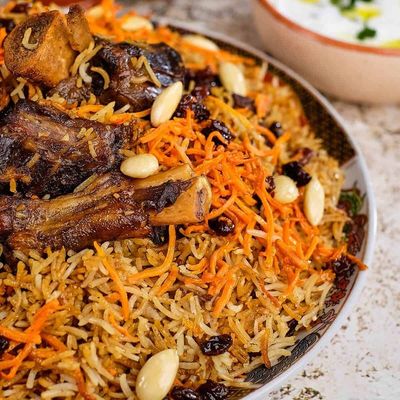
Kabuli Pulao
Kabuli pulao is Afghanistan's national dish, the centrepiece of every wedding, Eid and important Friday lunch: a layered pilaf of long-grain rice, slow-braised lamb, sweet carrot strands and butter-plumped raisins, all steam-finished together in one pot. You brown lamb shoulder hard, then braise it in spiced stock until the meat slips off the bone (that stock becomes the rice's cooking liquid). Carrots cut into matchsticks fry slowly in butter and sugar until they are golden and glassy. Raisins plump in butter. The rice parboils, then layers in the pot: lamb at the bottom, rice piled on top in a dome, drizzles of stock through the dome, lid clamped on tight. Twenty-five minutes of steam-cook and the rice emerges grain-separate and fragrant, ready to mound onto a platter with the carrots and raisins scattered across the top.
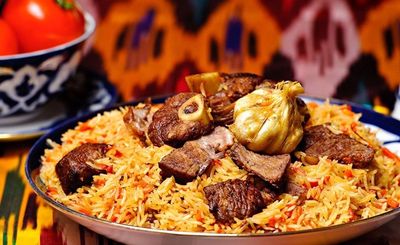
Plov
Azerbaijan's wedding rice, the centrepiece of any celebration worth the name, and a dish that takes most of a day to do properly. You soak basmati for an hour in salted water, drain it, par-boil for five minutes in heavily salted water, drain again. A wide heavy pot is buttered, and a sheet of lavash (or a saffron-soaked rice base) lines the bottom to form the qazmaq crust that's the prize at the end of the meal. The par-boiled rice piles on top, butter melts down through it, the pot covers and steams for forty minutes to an hour on low heat. Meanwhile you cook the qara separately: lamb shoulder cubes browned, onions softened slowly, dried apricots and chestnuts added with a splash of water, the whole stew simmering for ninety minutes until the lamb is meltingly tender. The plov comes to the table with the rice mounded on a platter, the qazmaq crust broken and shared at the table, and the qara spooned alongside. A meal that announces itself.
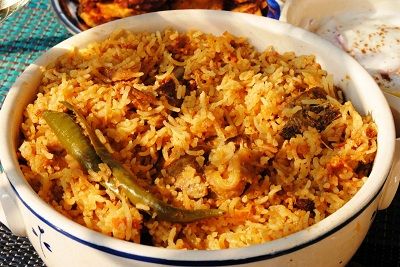
Biryani
Biryani represents the height of Indian culinary technique: multiple components prepared separately with precision, then assembled in layers where flavors permeate through steam cooking. This isn't a one-step rice dish; rather, it's an architectural construction where yogurt-marinated lamb develops tenderization and flavor, then cooks slowly with warm spices and tomato, while basmati rice is independently flavored with saffron infusion and whole spices. Upon assembly, the two elements marry through steam, creating a unified dish where lamb and rice are inseparable in flavor. Traditionally cooked during festivals and royal celebrations, biryani requires patience and multiple steps but rewards with sophistication.
Jeera Rice
Aged basmati rice is rinsed and soaked for 30 minutes (a step that helps the grains elongate during cooking). Ghee is heated and cumin seeds are bloomed with a small cluster of whole spices, the rice is added to coat in the spiced fat, then water is poured in and the pot covered to steam. The grains finish long, separate and fragrant.
More like this
Adobong Sitaw
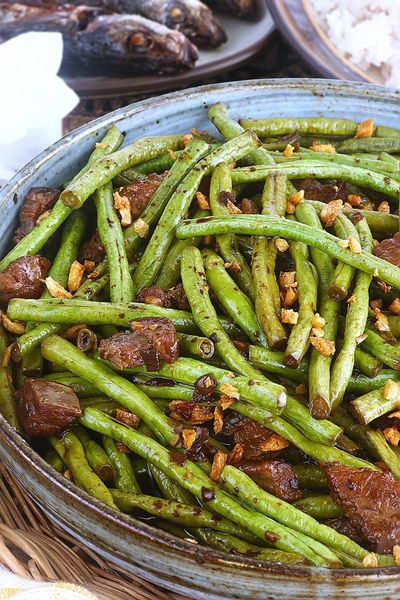
Garlic browns in oil; long beans toss in to colour briefly. Soy and vinegar pour in with bay and peppercorns; the beans braise covered until tender. Lid off; the liquid reduces to a glaze. Salt at the end, not the start, since soy is salty enough.
Arroz Blanco Hondureño
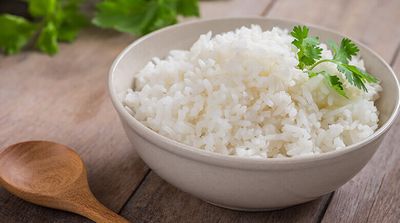
Long-grain rice is toasted briefly in oil with onion, garlic and sometimes a small piece of bell pepper. Hot water and salt go in; the pot is covered tightly and the rice cooks undisturbed for 18 minutes. Five minutes' rest off the heat finishes the steaming. The grains stay separate.
Coconut Rice
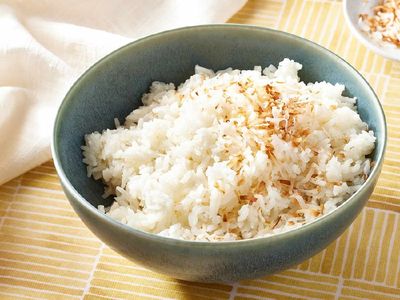
Plain steamed rice (often last night's leftovers) is the base. A hot temper of mustard seeds, urad dal, chana dal, cashews, dried red chilli and curry leaves is bloomed in coconut oil, then fresh grated coconut is folded in and warmed through. The rice is tossed through everything off the heat, so the grains stay separate and pick up flavour rather than soften.
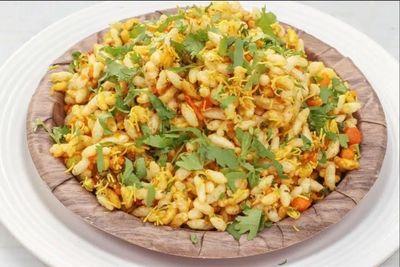
Jhal Muri
Jhal muri (literally "spicy puffed rice") is the most democratic snack in Bengal: assembled in seconds from a tin trunk by a muriwala, tipped into a rolled-newspaper cone, and eaten standing on a pavement for the price of a few rupees. The base is muri (puffed rice), and everything else is built around the principle of contrast. Raw mustard oil is the soul of the dish, sharp and nasal and slightly bitter; without it you have a salad, not jhal muri. The vegetables stay raw and crunchy, onion, green chilli, cucumber, tomato, chopped into tiny dice so each spoonful gets one of each. Peanuts and chana chur (or sev) add fat and crunch; black salt and chaat masala add the funky-tangy depth that makes Indian street snacks addictive. The lime goes in last so the puffs don't soften. This is a dish where technique matters less than ingredient quality: muri must be crisp (refresh in a dry pan if it's gone soft), mustard oil must be the proper pungent kind, and the lime must be fresh. It is everywhere in Bengal, tea-time at home, train platforms, the Maidan on a winter afternoon, and there is no recipe in any cookbook that quite captures the feel of it being mixed in front of you in a paper cone.