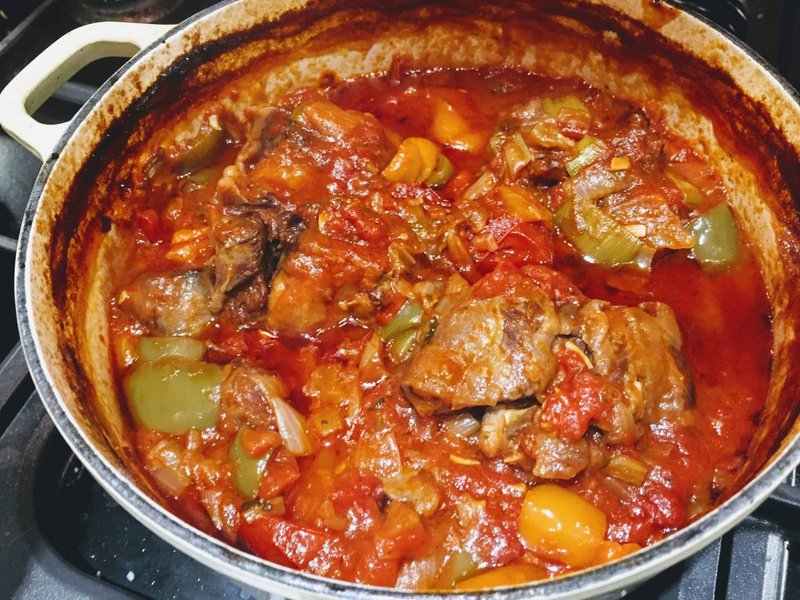
Zimbabwean Oxtail Stew
Bone-in oxtail braised for three hours with onion, tomato, garlic and a stock cube until the gelatinous meat slides off in shreds and the sauce is dark and glossy. A Sunday-lunch project, eaten with sadza or rice and a sharp tomato-and-onion relish. Not subtle, but right.
Overview
Oxtail browns hard in batches so the fond builds. Onion, garlic and tomato cook down in the same pot; stock, bay and a beef cube go in; the oxtail returns and braises covered on the lowest heat for three hours. The meat should slide off the bone with a fork. Skim the fat at the end, it's significant.
Ingredients
- 1 ½ kg oxtail (cut into 3-4 cm pieces - ask the butcher)
- 3 tablespoons vegetable oil
- 2 onions (large, chopped)
- 6 garlic cloves (crushed)
- 1 thumb fresh ginger (grated)
- 4 tomatoes (large, grated) or 1 (400 g) tin
- 2 tablespoons tomato puree
- 1 tablespoon paprika
- 1 teaspoon ground black pepper
- 1 beef stock cube
- 2 bay leaves
- 1 fresh chilli (whole, split)
- 1 litre hot water
- 2 carrots (cut into 2 cm chunks, optional)
- Salt to taste
Method
Stage 1 - Brown
- Pat the oxtail very dry. Season with salt.
- Heat 2 tablespoons oil in a heavy pot. Brown the oxtail hard in batches, 4-5 minutes per side. Set aside on a plate.
Stage 2 - Base
- Pour off all but 2 tablespoons of fat. Add the onion; soften 10 minutes on medium until deep gold.
- Add garlic, ginger, paprika and pepper; cook 1 minute.
- Stir in the grated tomato and tomato puree; reduce until thick and oil splits out (8 minutes).
Stage 3 - Braise
- Return the oxtail with any resting juices. Crumble in the stock cube. Add bay and chilli.
- Pour in the hot water - the oxtail should be just covered. Bring to a simmer.
- Cover; transfer to a 150°C (130°C fan) oven for 2 ½ hours. Add carrots (if using) at the 2 hour mark.
- The meat should slide off the bone with a fork; if not, give it another 30 minutes.
Stage 4 - Finish
- Lift out the bay and chilli. Skim the surface fat - there's a lot.
- If the sauce is thin, simmer uncovered 10 minutes on the stovetop. It should coat a spoon.
- Taste; adjust salt.
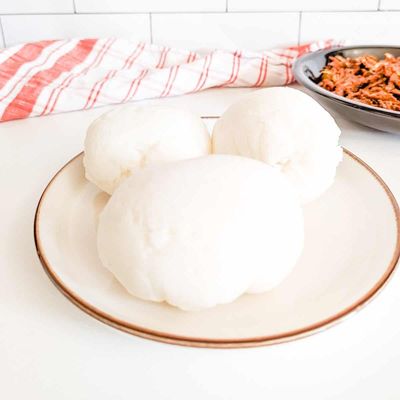
- Serve with sadza, rice or pap. A tomato-onion-coriander relish on the side cuts the richness.
Notes
- Don't skip the browning: Oxtail is fatty and bony; the depth comes from a hard sear. Pale-brown stew tastes pale.
- Skim: A litre of beef fat sits on top of an unskimmed oxtail. Either skim with a ladle, refrigerate overnight and lift it off solid, or both.
- Same-day vs next-day: Better next-day, like all braises - the gelatin in the bones sets the sauce, and reheating loosens it back.
Storage
- Refrigerate 4 days. Reheat covered with a splash of water on low.
- Freezes 3 months.
More like this
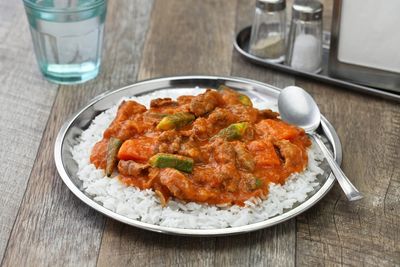
Mafé
Bone-in beef or lamb is browned, then simmered with onions, garlic, tomato and stock. Smooth peanut butter is whisked in halfway and the stew thickens to a velvety coating. Chunks of cassava, sweet potato and cabbage cook in the sauce towards the end. Serve over plain steamed white rice.
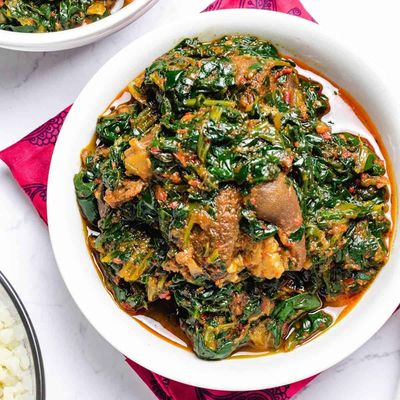
Efo Riro
Beef (or goat, or prawns) parboils briefly. Smoked fish soaks. A pepper paste of red bell pepper, Scotch bonnet, onion and tomato blitzes in the blender. Palm oil heats; the pepper paste fries for 10 minutes until reduced and the oil rises. Stock, meat, smoked fish, ground crayfish and iru go in; simmers for 15 minutes. Spinach goes in last, wilts in 5 minutes. Served with rice, eba, fufu or pounded yam.
Lomo Saltado
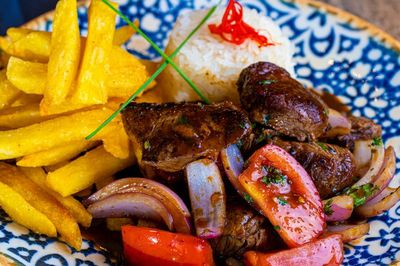
Beef strips are marinated briefly in soy and aji amarillo paste. Fries are cooked separately, pre-fried, set aside. The wok hits high heat; beef is seared in batches; red onion and tomato are added briefly so they keep their bite; soy, vinegar, lime and stock are poured in to sauce. The fries go in last, just before serving, a 30-second toss so they pick up flavour without going soggy.
Saltah
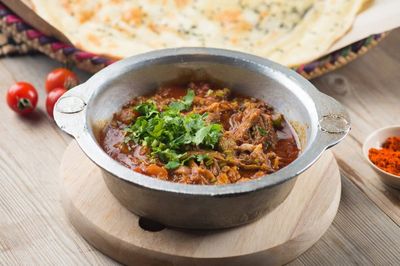
Lamb (or beef) is slow-cooked in a Yemeni tomato-onion-spice stew (called maraq) for two hours. Just before serving, the stew is transferred to a flameproof clay or stone pot, brought to a violent boil on direct heat. Whipped hulba (overnight-soaked fenugreek seeds, blended with lemon and a little water into a snowy froth) is spooned on top. The pot is brought to the table boiling. Sahawiq adds heat.