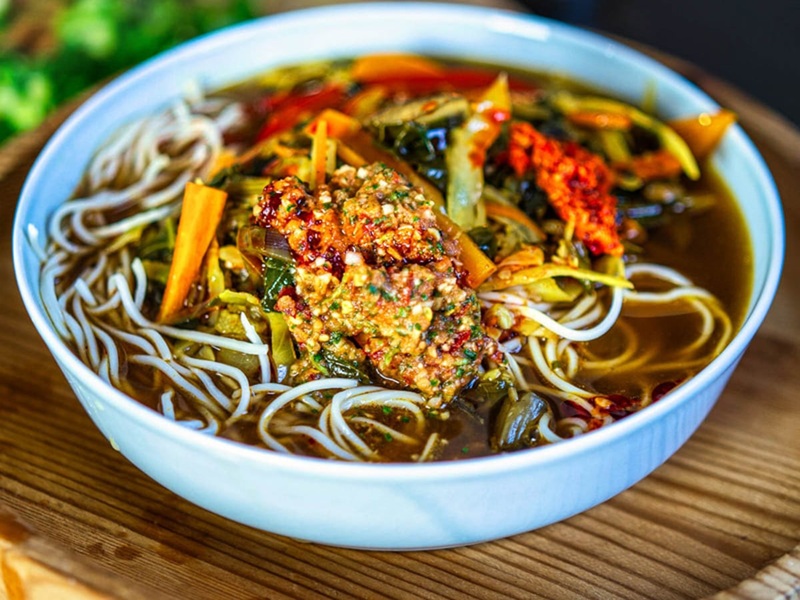
Thukpa
Tibet's hand-pulled noodle soup: a clean, gingery broth with fresh wheat noodles, vegetables and yak (or beef). The winter dish of the high plateau.
Overview
A simple wheat-flour dough rests while a clear, ginger-and-garlic-forward broth simmers with beef (standing in for yak), Sichuan peppercorn and a tomato. The dough is rolled and cut into thin noodles, or, if you prefer, store-bought egg noodles. Vegetables and greens go in at the end; fresh coriander and chilli on top. Honest, restorative, not fancy.
Ingredients
Noodles
- 250 g plain flour, plus extra for dusting
- 130-150 ml warm water
- ½ teaspoon salt
- (Or substitute: 300 g fresh egg noodles or thin udon)
Broth and meat
- 2 tablespoons vegetable oil
- 400 g lean beef (or mutton), sliced thinly across the grain into 4 cm strips
- 1 onion (large, sliced)
- 6 garlic cloves (chopped)
- 5 cm fresh ginger (chopped)
- 1 tomato (chopped)
- 1 teaspoon Sichuan peppercorns (lightly crushed)
- 1 teaspoon ground cumin
- 1 teaspoon ground coriander
- ½ teaspoon turmeric
- 1 ½ litres beef (or chicken stock)
- 1 tablespoon soy sauce
- salt
- pepper
Vegetables
- 1 carrot (medium, julienned)
- 1 daikon (small, or 6 radishes, julienned)
- 100 g cabbage (shredded)
- 100 g spinach (or other dark greens)
- 2 spring onions (sliced)
To serve
- A small bunch of coriander (chopped)
- 1-2 fresh green chillies (sliced; or sepen, Tibetan chilli sauce)
- Lemon wedges
Method
Stage 1 - Make the noodle dough
- Mix the flour and salt in a bowl. Stir in the warm water gradually until it forms a shaggy mass.
- Tip onto the counter and knead 6-8 minutes until smooth and elastic.
- Wrap and rest at room temperature for at least 30 minutes. (Skip this stage if using shop-bought noodles.)
Stage 2 - Sear the meat and build the broth
- Heat the oil in a heavy pot over medium-high heat.
- Add the beef strips in a single layer; sear 3-4 minutes until browned. Lift out.
- Reduce heat to medium. Add the onion; cook 5 minutes until soft.
- Add the garlic, ginger and tomato; cook 4-5 minutes until the tomato collapses.
- Stir in the Sichuan peppercorns, cumin, coriander and turmeric; cook 1 minute.
Stage 3 - Simmer
- Return the beef to the pot.
- Pour in the stock; add the soy sauce. Season with salt and pepper.
- Bring to a simmer; cook 25-30 minutes until the meat is tender.
Stage 4 - Roll the noodles
- While the broth simmers, divide the dough in two. Roll each piece on a lightly floured counter into a thin sheet, about 2 mm thick.
- Dust the sheet with flour and roll loosely. Slice into 5 mm wide ribbons. Shake out and dust again.
Stage 5 - Cook the vegetables and noodles
- Add the carrot, daikon and cabbage to the broth; simmer 4 minutes.
- Drop the noodles into the broth; cook 3-4 minutes until just tender (1-2 minutes for shop-bought egg noodles).
- Stir in the spinach and spring onion; cook 1 minute more until wilted.
- Taste and adjust salt.
Stage 6 - Serve
- Ladle into deep bowls, making sure each bowl gets noodles, broth, meat and vegetables.
- Top with coriander and fresh chilli.
- Serve a lemon wedge on the side; squeeze in to taste.
Notes
- Yak substitution: Yak is the traditional meat and is not available in UK or Western shops. Lean beef shin or chuck is the closest substitute in texture and flavour; mutton works for a richer version.
- Hand-pulled noodles are forgiving: They don't need to be even. Tibetan and Bhutanese cooks make them rustic on purpose.
- Sichuan peppercorn, not black: The mild numbing fragrance is what gives thukpa its character. Black pepper is not a substitute.
- Sepen on the side: If you can source or make Tibetan chilli sauce (sepen), serve it on the side rather than adding to the pot - everyone seasons their own bowl.
Variations
Vegetarian thukpa: Skip the meat; use vegetable stock, add 150 g cubed tofu or 200 g mushrooms with the onion, and a teaspoon of butter at the end for body. Chicken thukpa: Replace beef with sliced chicken thigh; reduce simmer time to 20 minutes.
Serving
Serve with: a small dish of fresh chilli or sepen, and lemon wedges. Tibetan butter tea on the side is traditional.
Storage
- Broth and meat keep 3 days refrigerated; freeze 2 months without the noodles.
- Noodles soak up the broth on standing; cook fresh batches as needed.
More like this
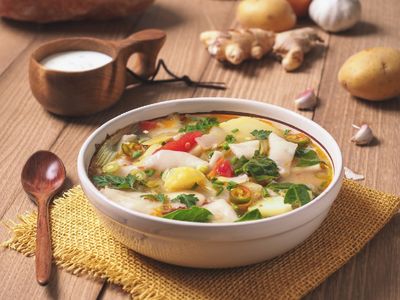
Thenthuk
A firm wheat dough rests while you build a clear, ginger-forward broth with beef, tomato and warming spices. When the broth is ready, the dough is rolled into a thick sheet, brushed with oil and cut into long strips. At the moment of cooking, each strip is held over the simmering broth and pinched into rough 3-4 cm squares that drop in. The noodles cook in 2-3 minutes. Greens and coriander finish.
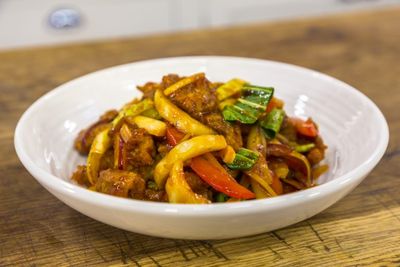
Shapta
Thinly sliced beef marinates briefly in soy, garlic, ginger and a touch of cornflour for tenderness. A hot wok flashes the meat in batches, then onion, capsicum and chillies stir-fry until just beginning to char. Everything tosses back in with a small splash of soy and stock to glaze. Lots of fresh coriander and spring onion to finish.
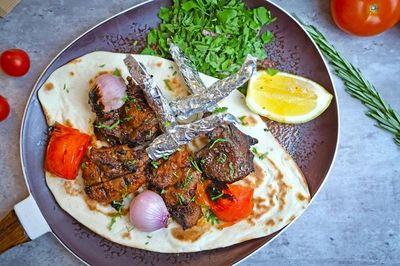
Chapli Kebab
Chapli kebabs are the spiced beef patties sizzling on a wide flat tawa at any roadside grill from Peshawar to Kabul, big enough to wrap a hand around and seasoned with the unusual punch of dried pomegranate seeds and coriander. The mince mixes with grated onion, chopped fresh tomato, ginger, garlic, beaten egg and a little gram flour to bind, plus the signature Afghan spice blend (coriander seed, pomegranate seeds, chilli flakes, cumin and garam masala). A thirty-minute rest lets the gram flour absorb the moisture and the spices marry. Pat thin and wide (the word chapli means "flat" or "slipper-shaped"), then fry hard in oil three or four minutes a side until darkly crusted. Eat hot from the pan, wrapped in fresh naan with sliced raw onion and a green chutney.
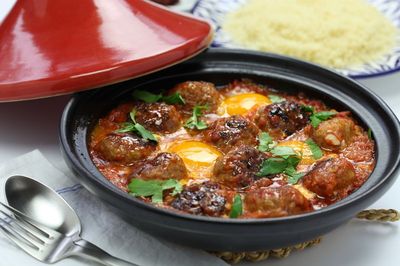
Kefta Tagine
Beef or lamb mince is mixed with grated onion, garlic, fresh parsley and coriander, cumin, paprika, cinnamon, salt and pepper; shaped into small (3 cm) balls. A tomato sauce is built in the tagine: onion sweats in olive oil, garlic, cumin and paprika join, tomato passata and a stock cube simmer for 10 minutes. The meatballs are nestled in; cooked for 12 minutes turning once. Eggs are cracked into wells; lid on; 4 minutes more until the whites are just set. Scattered with parsley and served hot.